WhatsApp Us (24/7)
 +91 926 888 0303 (24/7)


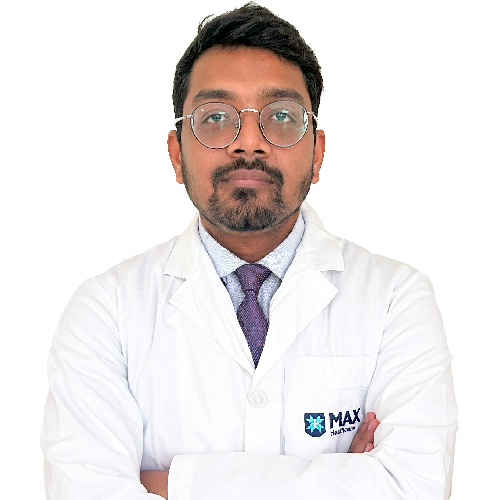
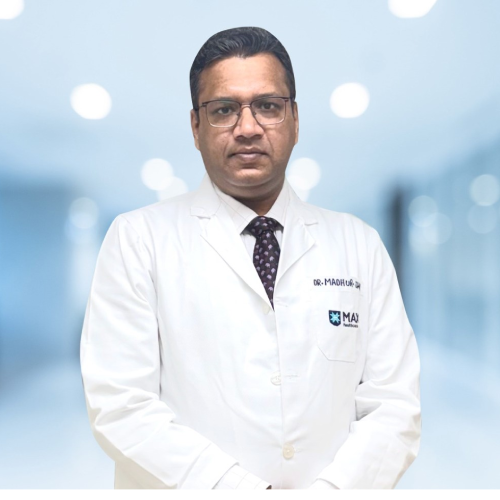
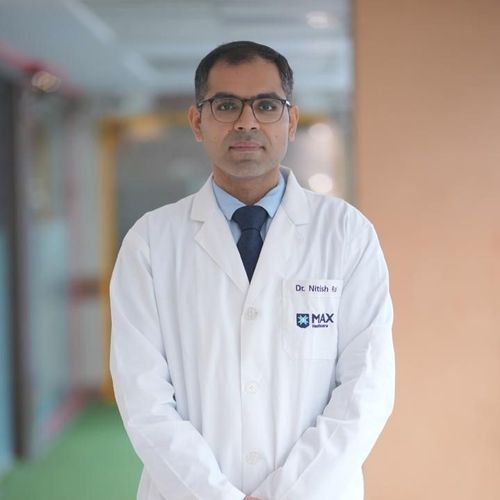
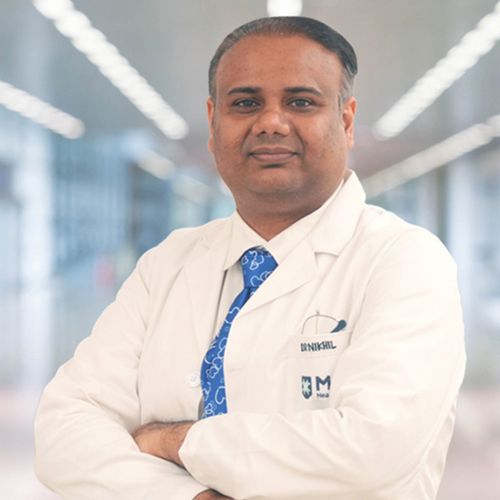
Our Medical Experts
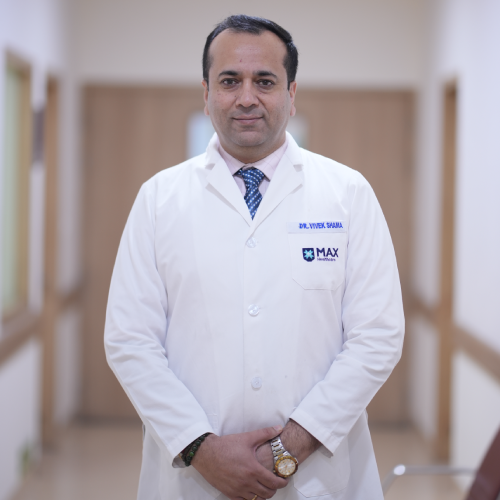
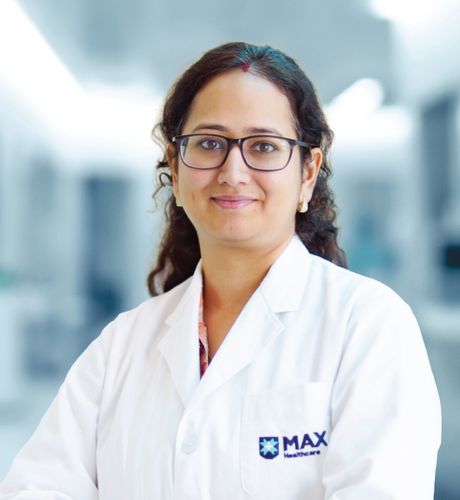
Max Healthcare is home to eminent doctors in the world, most of whom are pioneers in their respective fields. Additionally, they are renowned for developing innovative and revolutionary clinical procedures.
Find a DoctorDelhi/NCR:
MOHALI:
Dehradun:
BATHINDA:
Mumbai:
NAGPUR:
LUCKNOW:
BHUBANESWAR:

To Book an Appointment
Call us+91 926 888 0303Cardiology is a speciality of medicine that deals with diseases of the heart. The doctors who specialise in this field are known as cardiologists. They are trained in diagnosing and treating conditions of the heart such as congenital heart diseases, infections, infarctions, heart failure, or valvular heart diseases.
There is a multitude of disorders of the cardiovascular system that need individual attention and clinical expertise to be treated. These include acute coronary syndrome, atherosclerosis, angina pectoris, coronary heart disease, and restenosis.
Other common disorders include cardiac arrest; disorders of the myocardium, or the muscle of the heart, known as cardiomyopathy, disorders of the pericardium, or the outer lining of the heart, which include types of pericarditis diseases of the valves such as aortic, mitral, pulmonary and tricuspid valves; congenital heart defects, like an atrial or ventricular septal defect, certain diseases of the blood vessels, known as vascular diseases, such as deep vein thrombosis, varicose veins, aneurysm, vasculitis, and others.
Cardiologists not only limit themselves to surgical treatment modalities but also have expertise in using several devices such as balloons and defibrillators, a pacemaker, and a stethoscope used for diagnosing and treating numerous heart ailments.
Cardiologists use some strategies to combat cardiovascular diseases, such as percutaneous coronary intervention, percutaneous transluminal angioplasty, coronary artery bypass surgery, and stenting. Cardiologists also use different diagnostic methods such as computed tomography (CT scans), cardiac stress tests, echocardiography or electrocardiography, blood tests, and magnetic resonance imaging (MRI) techniques.
Cardiologists require more than ten years of studies that include internal medicine and specialised programs to become qualified practitioners. After they receive their licensure and certification, they practice at private or public hospitals or start with their own private clinics.
The different types of cardiology categories can be described as follows:
On the other hand, cardiologists can specialise in the following fields:
The following symptoms indicate heart disorders and the need to see a cardiologist immediately.
A patient must consult a cardiologist for a heart murmur, an abnormal heart rhythm, a history of heart attack or other heart ailments. In addition, patients who wish to undergo major surgical treatments such as organ transplants, knee replacement surgeries, and others must consult a cardiologist before the surgery. This is because surgeries significantly impact the heart in terms of altered blood flow or medications. Hence, a green signal from cardiologists is necessary. In case any heart ailment such as atherosclerosis (blocked blood vessels) is diagnosed at the time of consultation, the issue is addressed before scheduling the surgery.
Heart diseases that a cardiologist treats are:
In addition to the above, cardiologists also advise preventing heart diseases in the future. People can visit them for a routine check-up even without having any symptoms. This is especially true if they have a family history of diabetes or high cholesterol or personally have habits such as smoking or drinking. Preventive care also aims to guide pregnant women at a higher risk of developing heart diseases and a history of pre-eclampsia.
Cardiologists often begin by reviewing a patient's medical history, followed by a physical examination. They may advise some tests such as ECG to assess heart rhythm. Interventional cardiologists perform basic procedures such as stenting, valvuloplasties, angioplasties, congenital heart defect corrections, and coronary thrombectomies.
Some tests that they may advise are:
Max Healthcare is home to eminent doctors in the world, most of whom are pioneers in their respective fields. Additionally, they are renowned for developing innovative and revolutionary clinical procedures.
Max Healthcare is home to eminent doctors in the world, most of whom are pioneers in their respective fields. Additionally, they are renowned for developing innovative and revolutionary clinical procedures.
Find a DoctorMrs Namita Srivastava Successfully Treated for Heart Failure
Treated by Dr Danish Hasan Kazmi, Max Super Speciality Hospital, Lucknow
Country : India
Mr Ramesh Chandra’s Inspiring Journey
Treated by Dr. Bipin Kumar Dubey, Max Super Speciality Hospital, Dwarka
Country : India
Mr. Dulla Singh’s Brain & Kidney Issues Recovery
Treated by Dr Dixit Goyal, Max Super Speciality Hospital, Bathinda
Country : India
Successful Double Valve Replacement
Treated by Dr. Nakul Sinha, Max Super Speciality Hospital, Lucknow
Country : India
Percutaneous Mitral Valve Replacement Surgery
Treated by Dr. Rajiv Agarwal, Max Super Speciality Hospital, Saket
Country : India
Revascularisation for Coronary Artery Blockage
Treated by Dr. Amit Malik, Max Super Speciality Hospital, Vaishali
Country : Bangladesh
Treated by Dr. (Col.) Manjinder Sandhu, Max Hospital, Gurgaon
Country : India
Angioplasty for Severe Artery Blockage
Treated by Dr. (Col.) Manjinder Sandhu, Max Hospital, Gurgaon
Country : India
Non-Surgical Patent Ductus Arteriosus (Pda) Closure
Treated by Dr. Yogendra Singh, Max Super Speciality Hospital, Dehradun
Country : India
Mr. Kulveer Rawat’S Successful Complex Angioplasty
Treated by Dr. Preeti Sharma, Max Super Speciality Hospital, Dehradun
Country : India
Mrs Namita Srivastava Successfully Treated for Heart Failure
Treated by Dr Danish Hasan Kazmi , Max Super Speciality Hospital, Lucknow
Country : India