 WhatsApp Us (24/7)
 +91 926 888 0303 (24/7)


To Book an Appointment
Call Us+91 926 888 0303Sudden Cardiac Arrest in Winter: Warning Signs & Risks
By Dr. Bipin Kumar Dubey in Cardiac Sciences , Cardiology , Interventional Cardiology
Jan 09 , 2026

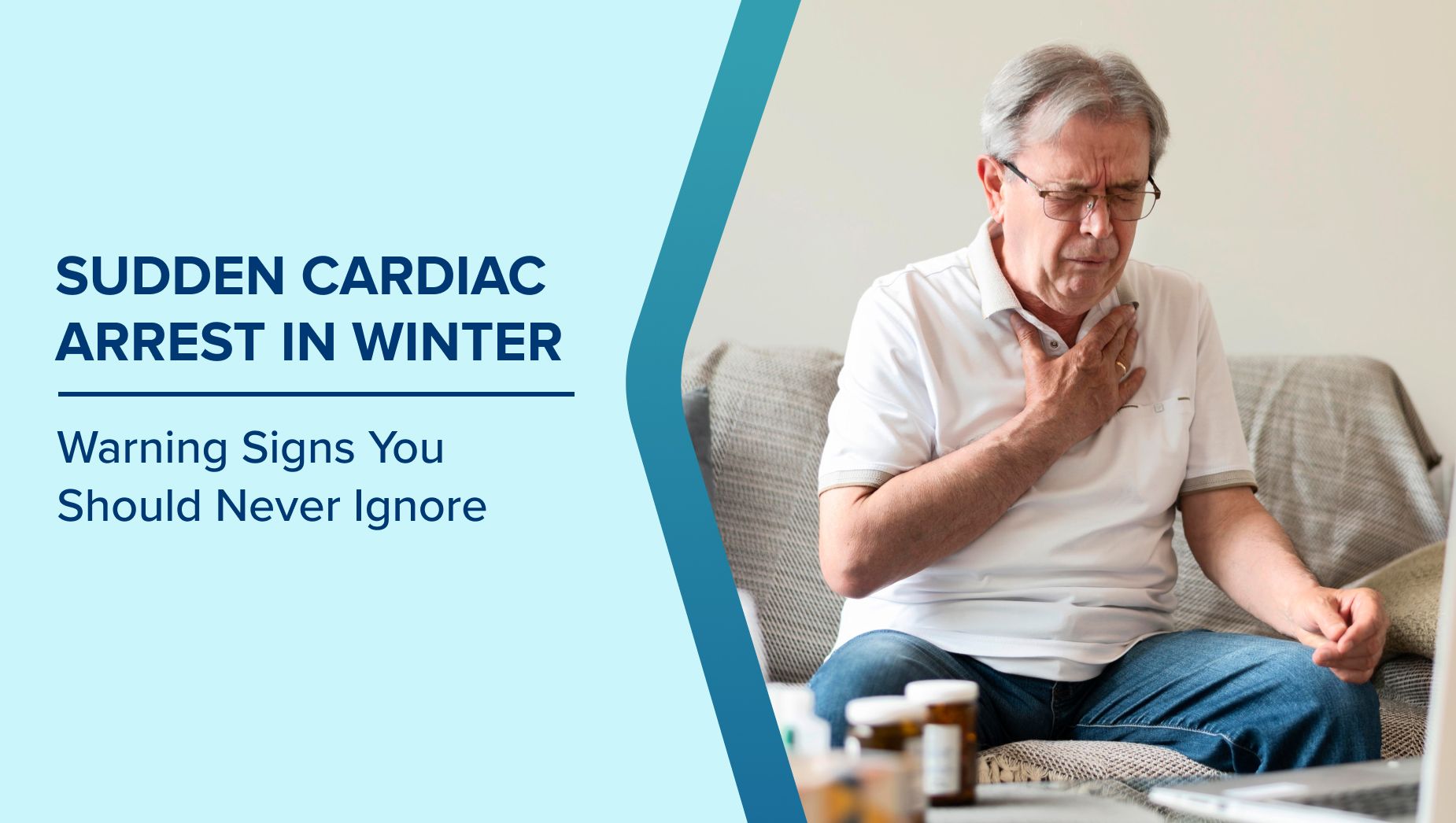
Winter brings cooler air, shorter days, and changes in daily routines. Many people enjoy the comfort of warm clothes and hot meals, but the colder months also place extra stress on the heart. Doctors often see a rise in sudden cardiac arrest during winter, and many people are not aware of how quickly this condition can develop. Understanding the warning signs of cardiac arrest and the effects of cold weather on the heart can help you respond early and protect yourself or a loved one.
Sudden cardiac arrest is a life-threatening situation where the heart stops beating properly without warning. A person may collapse, stop breathing, or lose consciousness within seconds. Winter heart problems can affect anyone, but certain groups face a higher risk. Learning how the body reacts to the cold and recognising early clues can make a life-saving difference.
Why Sudden Cardiac Arrest Rises in Winter
Cold temperatures trigger several changes inside the body. These changes can make the heart work harder than usual. During winter, doctors often treat more cases of cardiac emergency signs because the heart becomes more sensitive to stress from temperature drops.
People are also less active, drink less water, and spend more time indoors. These habits can increase heart strain. For individuals with existing heart conditions, even mild cold exposure may raise the risk of sudden cardiac arrest. Winter also brings more seasonal infections, which can raise heart rate and further stress the heart.
How Cold Weather Affects the Heart
Cold air causes blood vessels to tighten. This reaction helps the body retain heat, but it also raises blood pressure. When blood pressure rises, the heart must pump harder. This increased workload can trigger heart rhythm problems in people with weak or damaged heart muscles.
Cold weather also increases heart risks, including thicker blood. Blood tends to become slightly more concentrated in winter due to dehydration or reduced fluid intake. Thicker blood is harder to circulate, which can add more pressure on the heart. A higher workload combined with narrow blood vessels creates a condition where sudden cardiac arrest can occur more easily.
Major Warning Signs of Sudden Cardiac Arrest in Winter
Sudden cardiac arrest can appear without clear symptoms, but many people notice early clues before the collapse. Recognising these warning signs of cardiac arrest can save a life.
Common signs include:
- Unexplained shortness of breath, even while resting
- Sudden dizziness or lightheadedness
- A racing or fluttering heartbeat
- Chest pressure or a sense of tightness
- Sudden weakness or fatigue
- Fainting or near-fainting episodes
- A feeling that something is “not right” with your heartbeat
These symptoms should never be ignored during cold months. Heart attack symptoms in cold weather can also overlap with cardiac arrest warning signs, which makes it important to get medical attention quickly.
High Risk Groups During Cold Months
While anyone can experience cardiac arrest, some groups have a higher chance of facing winter heart problems.
You may be at increased risk if you:
- Have had a previous heart attack
- Have heart failure
- Have high blood pressure
- Have diabetes
- Are over 60 years old
- Smoke or have a long history of smoking
- Are overweight
- Have kidney disease
- Have a family history of sudden cardiac arrest
Cold weather intensifies the challenges already present in these conditions. Winter safety for heart patients is especially important because even minor temperature drops can raise heart strain.
Difference Between Sudden Cardiac Arrest and Heart Attack
Many people confuse sudden cardiac arrest with a heart attack, but they are two different emergencies.
- A heart attack occurs when blood flow to part of the heart is blocked. The heart continues to beat, but the blood supply is limited. Symptoms may appear gradually, and the person usually remains conscious.
- Sudden cardiac arrest happens when the heart suddenly stops beating effectively. The person collapses, stops breathing, and loses consciousness almost immediately.
A heart attack can sometimes lead to sudden cardiac arrest, but cardiac arrest can also occur without a heart attack. Knowing the difference helps you respond correctly.
Everyday Triggers in Winter That Increase Cardiac Risk
Cold weather affects more than the heart itself. Many daily activities during winter can trigger cardiac stress.
Common triggers include:
- Heavy physical activity in cold air
- Sudden exposure to cold temperatures after being indoors
- Emotional stress
- Dehydration due to low water intake
- Overeating rich or salty foods
- Viral infections that raise the heart rate
- Poor sleep
- Smoking more frequently during long indoor hours
These stressors can be dangerous for people with existing heart conditions. Even a simple activity like rushing outside in thin clothing can cause a shock to the cardiovascular system.
Winter Lifestyle Habits That Protect the Heart
Healthy winter habits help reduce cardiac risks. You can support your heart during the cold season with simple daily routines.
Helpful habits include:
- Wearing warm layers that protect the chest area from cold air
- Staying hydrated with warm water or herbal drinks
- Eating balanced meals instead of heavy, salty foods
- Avoiding sudden exposure to cold air
- Maintaining light physical activity indoors
- Managing stress with relaxation techniques
- Taking prescribed medicines regularly
- Limiting alcohol intake
Winter health tips also include monitoring blood pressure more often, especially if you already have heart issues.
Emergency Response Steps When Someone Collapses
Sudden cardiac arrest is a medical emergency. Immediate action can save a life.
Steps you should follow:
- Check if the person is responsive.
- Call emergency medical services right away.
- Start chest compressions if the person is not breathing. Push hard and fast in the centre of the chest.
- Use an automated external defibrillator if one is available.
- Continue CPR until help arrives.
Quick action increases the chances of survival. Waiting for symptoms to pass can be dangerous.
When to Seek Medical Help Immediately
Seek urgent care if you or someone else experiences:
- Chest pain that spreads to the arms, back, or jaw
- Difficulty breathing
- Fainting or sudden dizziness
- A rapid or uneven heartbeat
- Severe fatigue without a clear reason
- Swelling in the legs or feet
- Sudden confusion or trouble speaking
These are heart failure warning signals that require quick medical attention. Early evaluation prevents serious complications.
How to Prepare Your Heart for the Winter Season
Preparing your heart for winter helps reduce the strain caused by cold temperatures. You can protect your cardiovascular health by:
- Getting a medical checkup before winter
- Adjusting medications under a doctor’s guidance
- Checking cholesterol and blood pressure
- Staying physically active
- Avoiding heavy meals late at night
- Keeping indoor spaces warm and ventilated
- Sleeping well and managing stress
- Staying updated with vaccines, since infections can stress the heart
These habits support long-term heart health and reduce the risk of sudden cardiac arrest.
Frequently Asked Questions
Can cold weather cause heart rhythm problems?
Yes, cold air can tighten blood vessels and raise blood pressure. This can trigger irregular heartbeats in people who already have sensitive heart rhythms.
Does winter increase blood pressure?
Many people notice higher blood pressure readings in winter. Blood vessels tighten in cold temperatures, and this natural change can raise pressure levels.
Is morning exercise safe for heart patients in winter?
It is safer to warm up indoors first. Stepping into cold air with an unprepared heart may increase cardiac stress. Light indoor stretching helps reduce this risk.
Can heaters or indoor air impact heart health?
Very dry indoor air can cause dehydration. This may thicken the blood slightly and increase cardiac load. Using a humidifier can help maintain a healthy balance.
Is chest pain normal in winter?
Chest discomfort should never be ignored. Cold air can trigger chest tightness in some people, but ongoing or severe pain requires immediate medic
Written and Verified by:

Related Blogs

Dr. Ritwick Raj Bhuyan In Cardiac Sciences , Cardiac Surgery (CTVS)
Nov 08 , 2020 | 2 min read

Dr. Gaurav Minocha In Cardiac Sciences
Nov 08 , 2020 | 4 min read
Blogs by Doctor

From Diet to Drugs: Exploring Possible Approaches to Control High Cholesterol
Dr. Bipin Kumar Dubey In Interventional Cardiology
Jan 13 , 2025 | 5 min read
Heart Health: Debunking Common Myths
Dr. Bipin Kumar Dubey In Cardiac Sciences , Cardiology , Interventional Cardiology
Oct 06 , 2025 | 5 min read
Most read Blogs


Related Blogs
Dr. Ritwick Raj Bhuyan In Cardiac Sciences , Cardiac Surgery (CTVS)
Nov 08 , 2020 | 2 min read
Dr. Gaurav Minocha In Cardiac Sciences
Nov 08 , 2020 | 4 min read
Blogs by Doctor
From Diet to Drugs: Exploring Possible Approaches to Control High Cholesterol
Dr. Bipin Kumar Dubey In Interventional Cardiology
Jan 13 , 2025 | 5 min read
Heart Health: Debunking Common Myths
Dr. Bipin Kumar Dubey In Cardiac Sciences , Cardiology , Interventional Cardiology
Oct 06 , 2025 | 5 min read
Most read Blogs