 WhatsApp Us (24/7)
 +91 926 888 0303 (24/7)


To Book an Appointment
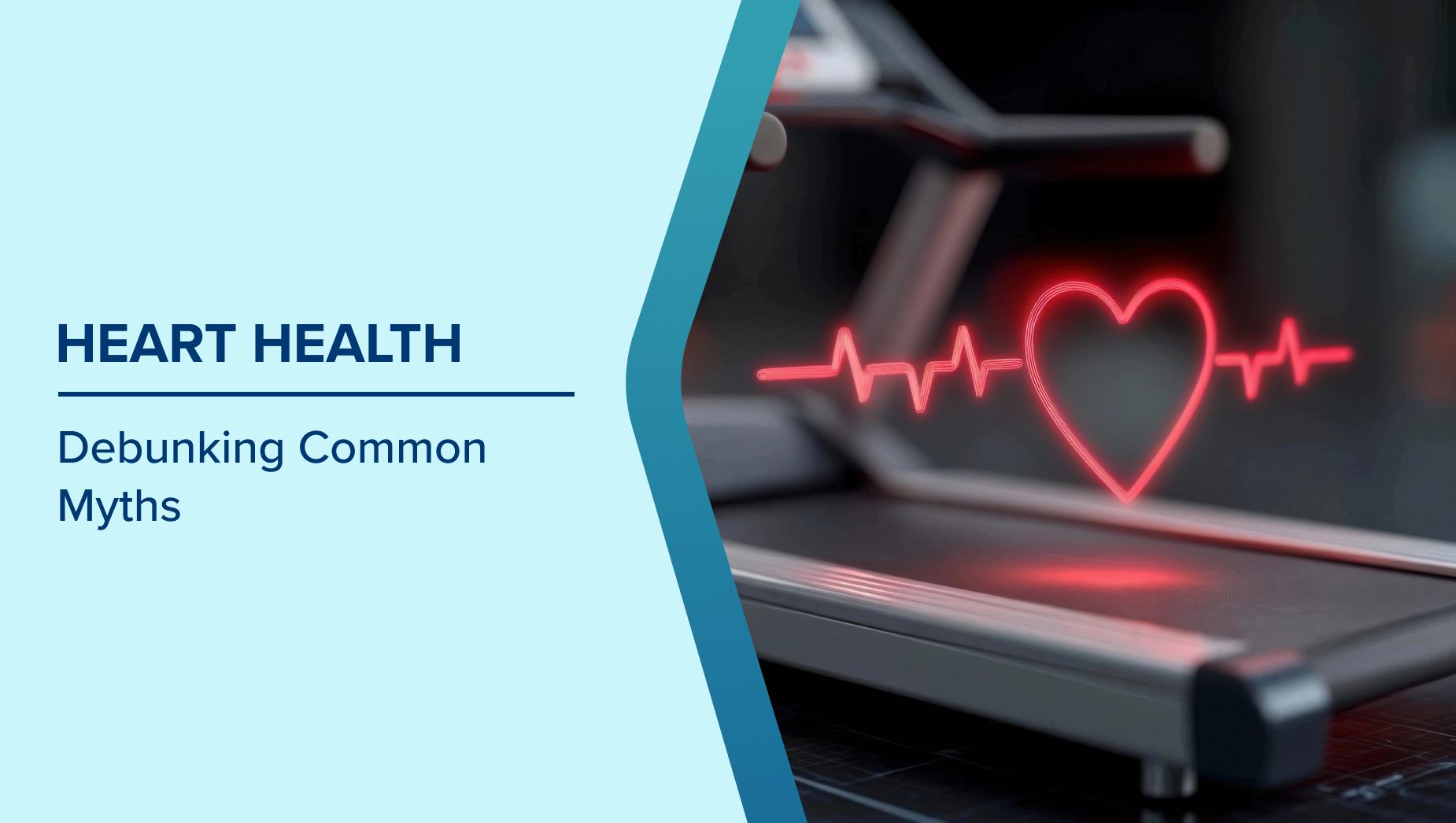
Call Us+91 926 888 0303Heart Health: Debunking Common Myths
By Dr. Bipin Kumar Dubey in Cardiac Sciences , Cardiology , Interventional Cardiology
Oct 06 , 2025 | 5 min read

Heart disease is one of the leading health concerns worldwide, yet misinformation about heart health continues to circulate. From diet choices to lifestyle habits, many myths shape how people view their risk and how they care for their heart.
Unfortunately, believing in these misconceptions can prevent timely action and proper prevention. Let’s explore some of the most common heart health myths, along with their facts, and a few practical advice to keep your heart strong.
Myth 1: Only Older People Get Heart Disease
Many people assume that heart problems are only a concern later in life. In reality, heart disease can affect adults of all ages, and even young individuals are not immune. Unhealthy lifestyle habits, stress, obesity, smoking, and family history can put younger people at risk.
The fact: Heart health is not just an older person’s concern. Regular health check-ups, balanced nutrition, and exercise from an early age help reduce long-term risk.
Myth 2: If You Feel Fine, Your Heart Must Be Healthy
It is easy to believe that no symptoms mean no problem. However, many heart conditions, including high blood pressure and high cholesterol, develop silently and may not cause noticeable signs until significant damage has occurred.
The fact: Silent risk factors make regular screenings and monitoring essential. Proactive care is the best protection, even if you feel completely healthy.
Myth 3: Heart Disease Affects Men More Than Women
While men are often perceived as being at higher risk, women are equally vulnerable. In fact, heart disease is a leading cause of death among women. Unfortunately, symptoms in women can sometimes appear less typical, such as dizziness, palpitations, and giddiness.
The fact: Women should take heart health as seriously as men do and seek medical advice promptly if they notice unusual symptoms.
Myth 4: Chest Pain Is the Only Warning Sign of a Heart Problem
Chest pain is one of the common symptoms of heart issues, but it is not the only one. Heart disease can also present with shortness of breath, dizziness, fatigue, nausea, sweating, or even subtle discomfort in areas like the arm, neck, or jaw.
The fact: Recognising these signs early is vital for timely medical intervention. Ignoring them can delay life-saving treatment.
Myth 5: Eating Fat Is Always Bad for the Heart
For decades, fat has been unfairly blamed for heart disease. While trans fats and excess saturated fats increase the risk, good fats found in olive oil, avocados, nuts, and fish can support cardiovascular wellness.
The fact: The type of fat you eat matters more than the total amount. Incorporating heart-friendly fats into a balanced diet benefits overall health.
Myth 6: Exercise Is Unsafe for People with Heart Conditions
Some people worry that physical activity may strain a weak heart. However, in most cases, exercise is not only safe but also beneficial. Regular, moderate exercise strengthens the heart, improves circulation, and supports weight management.
The fact: Exercise programmes should be tailored with a doctor’s guidance, especially for people with diagnosed heart conditions, but avoiding activity altogether is usually more harmful.
Myth 7: Salt Reduction Does Not Make a Big Difference
Some believe that cutting down on salt has little impact on heart health. In truth, high sodium intake contributes to raised blood pressure, which is one of the major risk factors for stroke and heart disease.
The fact: Reducing salt in cooking, avoiding processed foods, and checking labels can significantly benefit blood pressure and long-term cardiovascular health.
Myth 8: Heart Disease Is Entirely Genetic
Family history does play a role, but lifestyle choices often make the bigger difference. Smoking, poor diet, lack of exercise, and chronic stress increase the risk regardless of genetics.
The fact: Even if heart disease runs in your family, adopting a healthy lifestyle can lower your risk substantially. Genes are not your destiny.
Myth 9: Taking Medication Alone Is Enough for Heart Protection
Many patients believe that once prescribed medication for blood pressure or cholesterol, they do not need to make further changes. Medication is important, but it works best when combined with lifestyle modifications.
The fact: Healthy habits such as a nutritious diet, regular exercise, stress management, and quitting smoking are essential partners to medication.
Myth 10: Heart Problems Are Always Sudden and Dramatic
Movies and media often portray heart attacks as sudden collapses, but in real life, symptoms can develop gradually. Mild but persistent discomfort or fatigue may signal underlying issues.
The fact: Heart disease is often progressive. Paying attention to subtle symptoms and acting early can prevent severe complications.
Protecting Your Heart: What Really Works
Busting these myths highlights one clear message: heart health depends on awareness, prevention, and action. Practical steps include:
- Eating a balanced diet rich in fruits, vegetables, whole grains, and healthy fats.
- Staying physically active with at least 150 minutes of moderate exercise weekly.
- Maintaining a healthy weight and monitoring blood pressure, sugar, and cholesterol.
- Avoiding smoking and limiting alcohol.
- Managing stress through relaxation, sleep, and mindfulness.
Your heart health is shaped by choices made daily, not just by family history or age.
Conclusion
Heart disease myths often blur the line between fact and fiction, leading to confusion and misplaced confidence. By debunking these myths, we can focus on what truly protects the heart: prevention, awareness, and healthy habits. Whether young or old, man or woman, maintaining heart health is a lifelong commitment worth making.
Taking small, consistent steps today can keep your heart strong for the future.
Frequently Asked Questions
Can stress directly cause heart disease?
Chronic stress contributes to high blood pressure, poor sleep, and unhealthy coping habits, all of which increase heart disease risk.
Is coffee harmful to the heart?
Moderate coffee consumption is normally safe and may even have protective effects. Excessive intake, however, can raise heart rate and blood pressure.
Do women experience different symptoms during a heart attack compared to men?
Yes, women may experience symptoms like fatigue, nausea, or discomfort in the back and jaw rather than typical chest pain.
Can weight loss alone lower heart disease risk?
Weight management helps, but risk reduction also requires healthy eating, exercise, and avoiding smoking.
How often should a healthy adult get heart check-ups?
Adults should have routine check-ups once a year, with more frequent visits if risk factors are present.
Does sleep affect heart health?
Yes, poor sleep quality or sleep disorders like sleep apnoea can raise the risk of hypertension and heart disease.
Are all heart palpitations a sign of heart disease?
Not always. Occasional palpitations may be linked to caffeine, stress, or lack of sleep, but persistent episodes should be checked by a doctor.
Written and Verified by:

Related Blogs

Dr. Ritwick Raj Bhuyan In Cardiac Sciences , Cardiac Surgery (CTVS)
Nov 08 , 2020 | 2 min read

Dr. Gaurav Minocha In Cardiac Sciences
Nov 08 , 2020 | 4 min read
Blogs by Doctor

From Diet to Drugs: Exploring Possible Approaches to Control High Cholesterol
Dr. Bipin Kumar Dubey In Interventional Cardiology
Jan 13 , 2025 | 5 min read
Most read Blogs


Related Blogs
Dr. Ritwick Raj Bhuyan In Cardiac Sciences , Cardiac Surgery (CTVS)
Nov 08 , 2020 | 2 min read
Dr. Gaurav Minocha In Cardiac Sciences
Nov 08 , 2020 | 4 min read
Blogs by Doctor
From Diet to Drugs: Exploring Possible Approaches to Control High Cholesterol
Dr. Bipin Kumar Dubey In Interventional Cardiology
Jan 13 , 2025 | 5 min read
Most read Blogs