 WhatsApp Us (24/7)
 +91 926 888 0303 (24/7)


To Book an Appointment
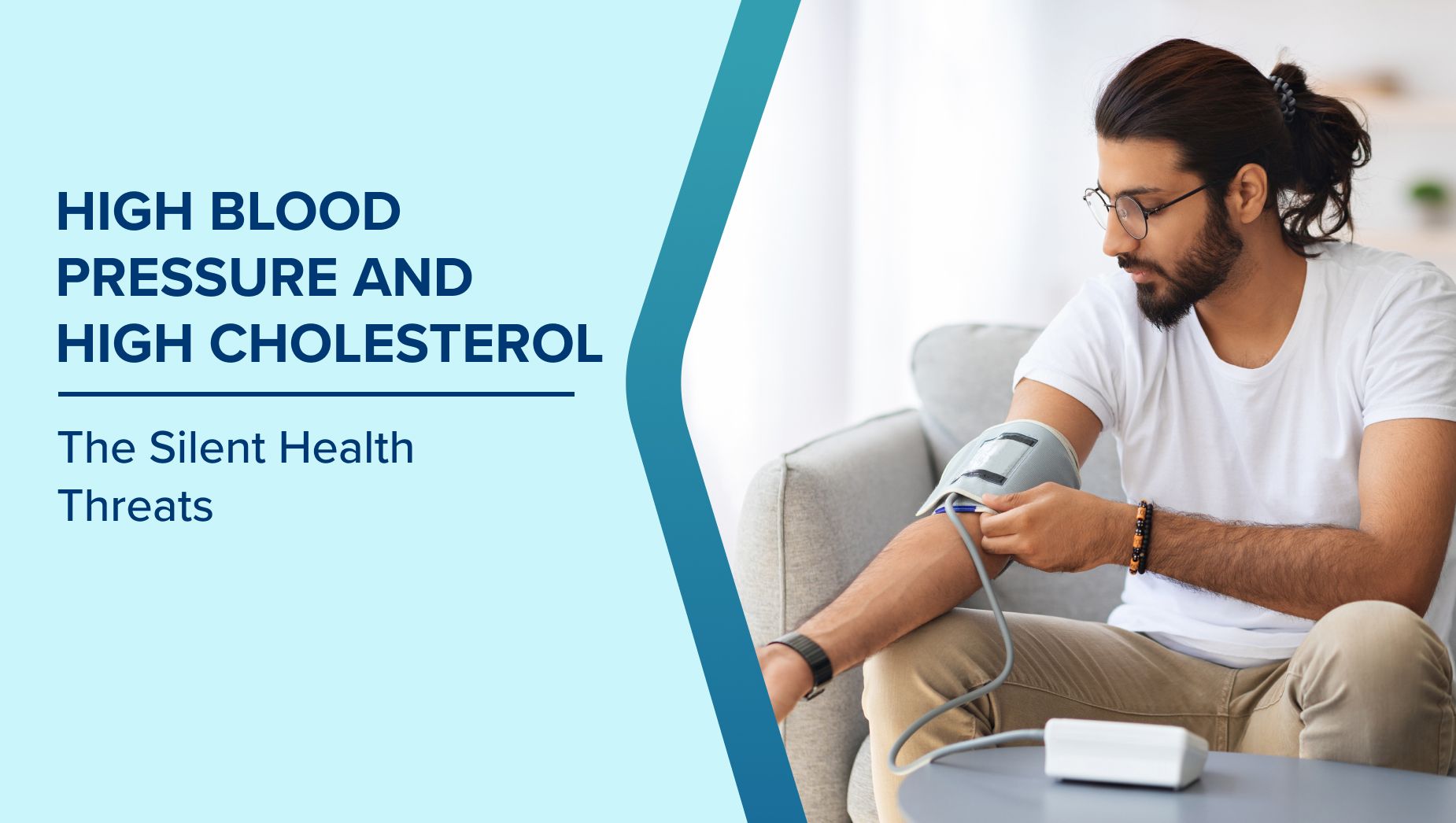
Call Us+91 926 888 0303High Blood Pressure and High Cholesterol: The Silent Health Threats
By Dr. Amit Pendharkar in Cardiac Sciences , Cardiology , Interventional Cardiology
Oct 07 , 2025 | 3 min read

Many people focus on obvious health issues like pain, fatigue, or fever. Yet, some conditions quietly damage the body without obvious symptoms. High blood pressure (hypertension) and high cholesterol are two such “silent killers.” They can harm blood vessels, strain the heart, and increase the risk of serious diseases, often going unnoticed until routine check-ups reveal them.
However, both conditions can be managed, controlled, and sometimes prevented through healthy lifestyle choices and timely medical care.
What is High Blood Pressure?
High blood pressure happens when the force of blood against artery walls is consistently too strong. Over time, this extra pressure makes the heart work harder and can weaken blood vessels.
Early Signs of High Blood Pressure
In many cases, hypertension shows no symptoms. Some people may experience:
- Headaches
- Dizziness
- Blurred vision
- Shortness of breath
Since early signs are often missed, regular blood pressure checks are essential.
Causes of High Blood Pressure
Several factors can contribute, including:
- A diet high in salt, fat, or processed foods
- Lack of physical activity
- Obesity or excess weight
- Smoking and heavy alcohol use
- Family history of hypertension
- Stress and poor sleep
What is High Cholesterol?
Cholesterol is a fatty substance in the blood needed for cell building and hormone production. However, too much cholesterol can clog arteries, leading to narrowed or blocked blood flow.
Types of Cholesterol
- LDL (Low-Density Lipoprotein): Known as “bad cholesterol” because it can form plaques in arteries.
- HDL (High-Density Lipoprotein): Called “good cholesterol” since it helps remove excess cholesterol from the body.
Managing Cholesterol
Balancing cholesterol involves:
- Eating healthy fats
- Staying active
- Avoiding processed foods
- Regular cholesterol testing
How High Blood Pressure and Cholesterol Are Connected
High blood pressure and cholesterol often occur together. When cholesterol builds up in arteries, blood flow becomes restricted, raising blood pressure. At the same time, high blood pressure can damage arteries, making it easier for cholesterol to form plaques.
Together, these conditions increase the risk of heart disease, stroke, and other serious complications, making it vital to manage both effectively.
Risks of Ignoring These Conditions
If left unchecked, high blood pressure and cholesterol can lead to:
- Heart attack
- Stroke
- Kidney problems
- Vision issues
- Memory loss or cognitive decline
Because these conditions progress silently, early detection and prevention are crucial.
Lifestyle Changes for a Healthy Heart
Healthy Eating
- Choose whole grains, fruits, and vegetables
- Limit fried and processed foods
- Reduce salt and sugar intake
- Include heart-friendly foods like nuts, seeds, and olive oil
Physical Activity
- Aim for at least 30 minutes of moderate exercise like walking, cycling, or swimming.
Stress Management
- Use yoga, meditation, deep breathing, or hobbies to reduce stress.
Quit Smoking and Limit Alcohol
- Both habits raise blood pressure and cholesterol. Quitting or reducing them improves heart health.
Preventing Heart Disease
Key steps include:
- Regular health check-ups
- Maintaining a healthy weight
- Staying physically active
- Following a heart-healthy diet
- Managing stress
- Taking prescribed medications as advised
Treatment Options
If lifestyle changes are not enough, doctors may prescribe medications to manage blood pressure and cholesterol. Taking medication as directed and attending follow-ups is critical for protecting the heart.
Conclusion
High blood pressure and high cholesterol are silent threats that can cause serious damage if ignored. Through awareness, healthy lifestyle choices, and timely medical care, you can protect your heart and live a longer, healthier life.
Start with small changes, improving your diet, exercising regularly, and managing stress, combined with regular check-ups. Prevention is better than cure, and your heart deserves consistent care.
Frequently Asked Questions
Can high blood pressure and cholesterol be improved naturally?
Lifestyle changes like diet, exercise, and stress management can significantly improve levels, but complete reversal depends on individual health conditions.
What exercises are safe for high blood pressure?
Low-impact activities such as walking, swimming, yoga, and cycling are generally safe. Always consult your doctor before starting a new exercise plan.
How often should cholesterol be checked?
Adults should check their cholesterol every 4–6 years. Those with risk factors may need more frequent testing.
Can stress alone cause high blood pressure?
Stress can temporarily raise blood pressure and contribute to chronic hypertension if it leads to unhealthy habits like a poor diet or lack of sleep.
Are herbal supplements safe for cholesterol?
Some may help, but safety and effectiveness vary. Consult a healthcare professional, especially if you take prescribed medications.
Written and Verified by:

Related Blogs

Dr. Ritwick Raj Bhuyan In Cardiac Sciences , Cardiac Surgery (CTVS)
Nov 08 , 2020 | 2 min read

Dr. Gaurav Minocha In Cardiac Sciences
Nov 08 , 2020 | 4 min read
Blogs by Doctor

What is Heart Diseases: Causes and Prevention
Dr. Amit Pendharkar In Cardiac Sciences , Cardiology , Interventional Cardiology
Oct 28 , 2024 | 3 min read
Most read Blogs


Related Blogs
Dr. Ritwick Raj Bhuyan In Cardiac Sciences , Cardiac Surgery (CTVS)
Nov 08 , 2020 | 2 min read
Dr. Gaurav Minocha In Cardiac Sciences
Nov 08 , 2020 | 4 min read
Blogs by Doctor
What is Heart Diseases: Causes and Prevention
Dr. Amit Pendharkar In Cardiac Sciences , Cardiology , Interventional Cardiology
Oct 28 , 2024 | 3 min read
Most read Blogs