 WhatsApp Us (24/7)
 +91 926 888 0303 (24/7)


To Book an Appointment
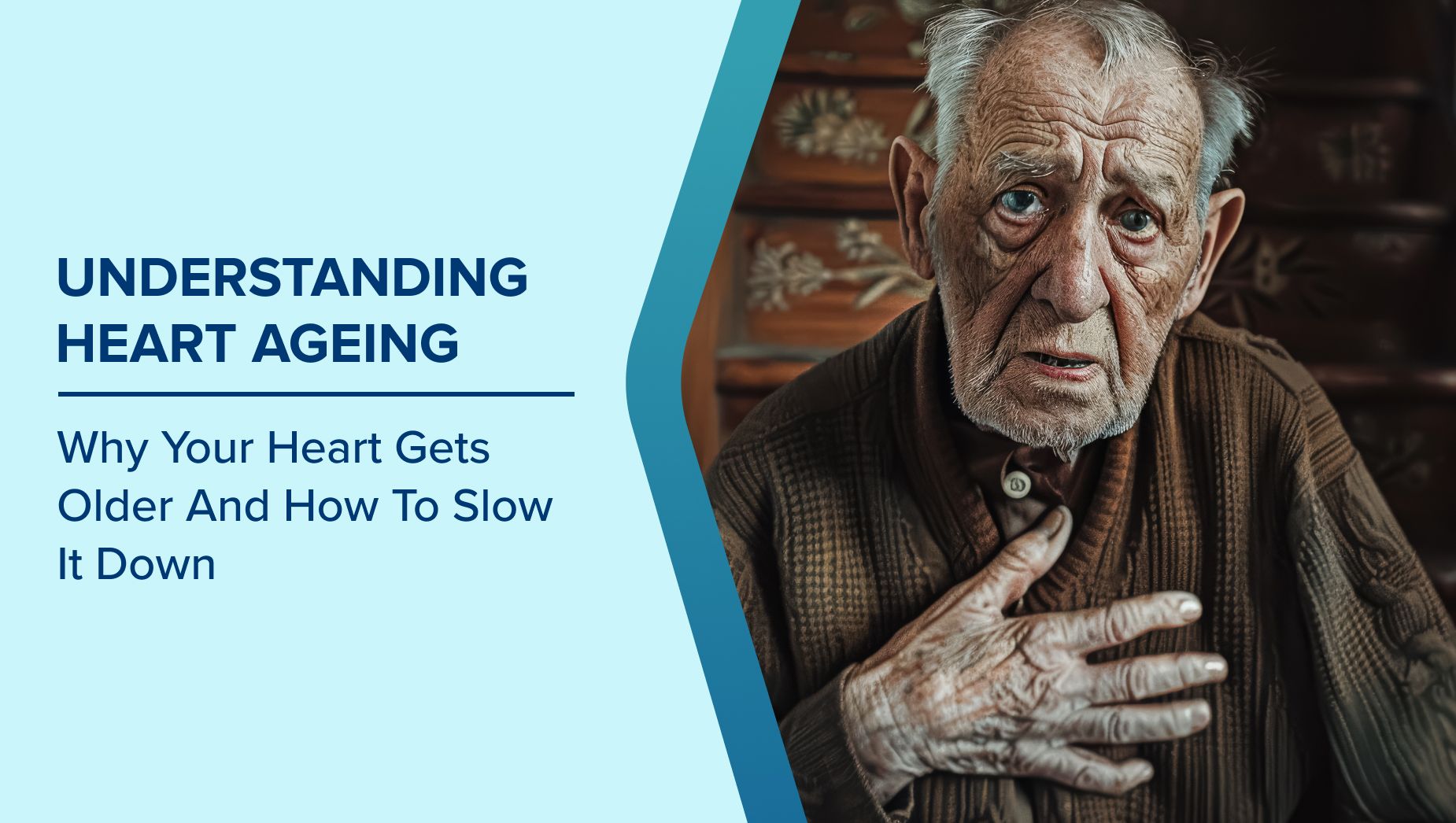
Call Us+91 926 888 0303Understanding Heart Ageing: Why Your Heart Gets Older And How To Slow It Down
By Dr. Balbir Singh in Cardiac Sciences , Cardiology , Interventional Cardiology , Cardiac Electrophysiology-Pacemaker
Oct 23 , 2025 | 2 min read

We often talk about staying young and keeping our bodies healthy, but have you ever thought about how your heart ages, too? Just like your skin, bones, and muscles, your heart also changes as you grow older. The key is to understand how the heart ages and what you can do to slow down the process.
How Does The Heart Age?
As we age, our blood vessels begin to thicken and stiffen. This natural change causes blood pressure to rise, making the heart work harder to pump blood. Over time, fatty deposits can build up in the arteries, restricting blood flow and increasing the risk of heart attacks and stroke.
With age, the chances of developing diabetes, high blood pressure, and obesity also go up, all of which accelerate the heart’s ageing. Moreover, conditions like atrial fibrillation (irregular heartbeat) become more common, leading to a gradual decline in heart function.
In simple terms, the same factors that age your body also accelerate the ageing of your heart.
Why Don’t We Think About Heart Ageing?
The heart is often called a “silent organ” because it doesn’t show visible signs of ageing like the skin does. People are willing to invest time and money in skincare routines, beauty treatments, and anti-ageing creams to maintain their appearance.
But rarely do we think about how to keep our hearts young.
You can actually prevent your heart from ageing prematurely with a few simple, consistent lifestyle habits.
Simple Steps To Slow Down Heart Ageing
Monitor Your Blood Pressure
High blood pressure is one of the biggest threats to your heart and kidneys. Regular monitoring is essential, even if you feel healthy. New guidelines now consider a reading around 130/80 mmHg as normal — anything above this needs attention.
Keep Diabetes and Cholesterol in Check
Diabetes and high cholesterol can silently damage the blood vessels, thereby speeding up the ageing process of your heart. Regular tests, medication (if prescribed), and a disciplined lifestyle can make a huge difference.
Eat a Heart-Healthy Diet
A balanced diet rich in fresh fruits, vegetables, nuts, and healthy oils supports heart health.
- Limit your sugar and salt intake — excess salt is directly linked to high blood pressure.
- Avoid processed and high-calorie foods.
- Include good fats (like those from nuts and seeds) but avoid trans fats.
Remember, it’s not about cutting fat completely — it’s about choosing the right kind and the right amount.
Stay Physically Active
A brisk 30-minute walk every day can work wonders for your heart. Regularity is key — it shouldn’t be just a New Year or Diwali resolution. Make it a lifelong habit.
Quit Smoking
Smoking is one of the worst enemies of the heart. It damages blood vessels, raises blood pressure, and accelerates heart ageing. Quitting smoking is one of the best ways to protect your heart and extend your life.
Limit Alcohol Consumption
Cutting down on alcohol, or ideally, giving it up, helps in maintaining heart health and overall well-being. Alcohol contributes to obesity and high blood pressure, both of which strain the heart.
Maintain a Healthy Weight
Obesity is a major contributor to early heart ageing. Extra weight increases the risk of hypertension, diabetes, and heart disease. Keeping your weight within a healthy range ensures your heart doesn’t have to work harder than necessary.
A Younger Heart For A Healthier Life
Your heart’s ageing process may be invisible, but it’s happening quietly.
By monitoring your health, eating wisely, staying active, and avoiding harmful habits, you can keep your heart younger for longer.
Small, consistent lifestyle changes can help delay heart ageing, ensuring a longer, healthier, and more active life. You can’t stop ageing, but you can certainly slow it down — especially for your heart.
Written and Verified by:

Related Blogs

Dr. Ritwick Raj Bhuyan In Cardiac Sciences , Cardiac Surgery (CTVS)
Nov 08 , 2020 | 2 min read

Dr. Gaurav Minocha In Cardiac Sciences
Nov 08 , 2020 | 4 min read
Blogs by Doctor


Most read Blogs


Related Blogs
Dr. Ritwick Raj Bhuyan In Cardiac Sciences , Cardiac Surgery (CTVS)
Nov 08 , 2020 | 2 min read
Dr. Gaurav Minocha In Cardiac Sciences
Nov 08 , 2020 | 4 min read
Blogs by Doctor
Most read Blogs