 WhatsApp Us (24/7)
 +91 926 888 0303 (24/7)


To Book an Appointment
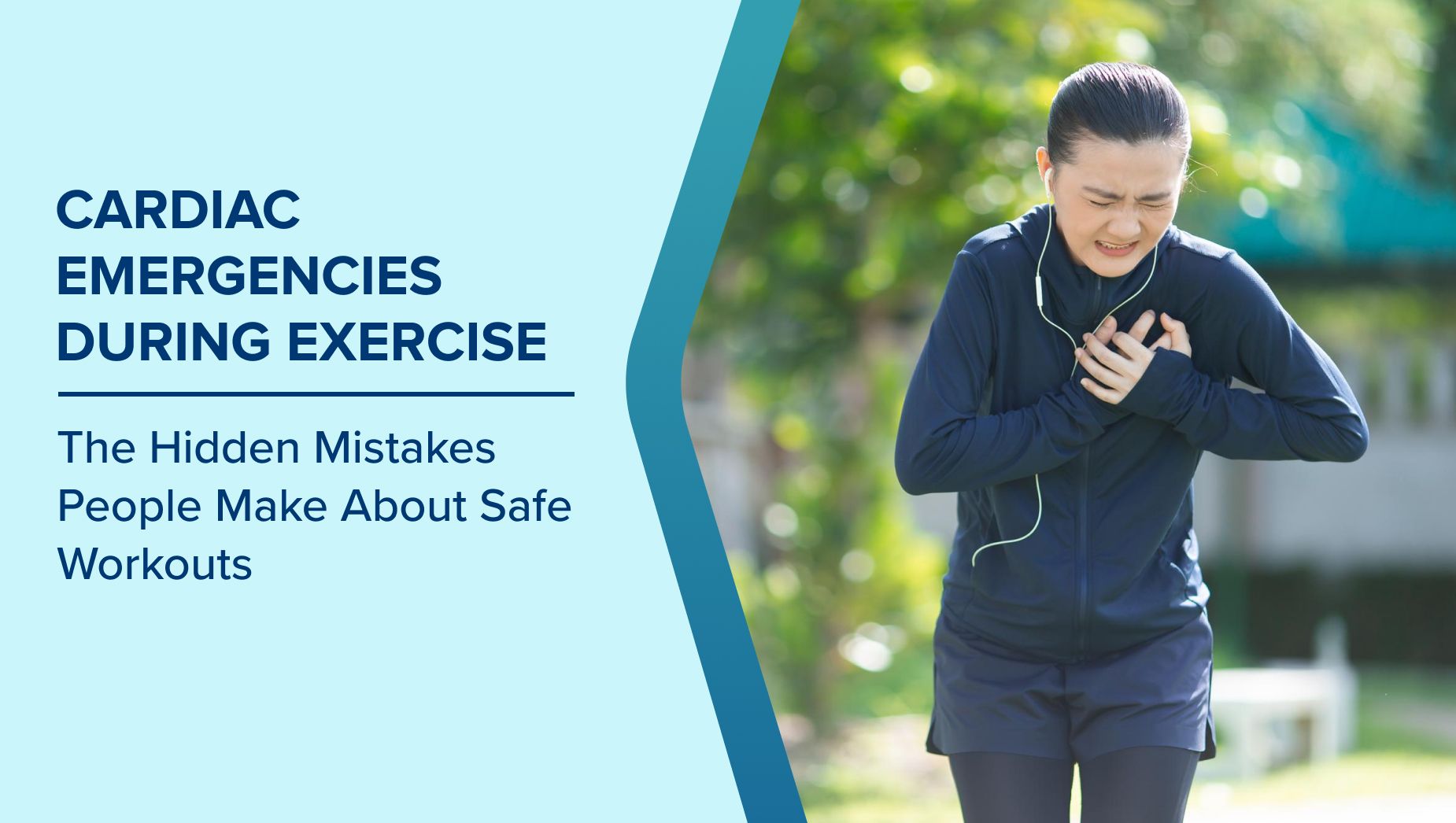
Call Us+91 926 888 0303Cardiac Emergencies During Exercise: The Hidden Mistakes People Make About Safe Workouts
By Dr. Pushkraj Shamsunder Gadkari in Cardiology
Dec 10 , 2025 | 6 min read

Regular exercise is essential for good health, but many people assume that being active automatically protects the heart at all times. In reality, certain workout habits can unintentionally strain the heart and increase the risk of a cardiac emergency, especially when the body is pushed beyond its limits. Cardiac incidents during exercise are not as common as many fear, yet they often happen when basic safety principles are overlooked or misunderstood.
What makes this topic important is that many individuals believe that fitness levels alone determine heart safety. Others think that only older adults or people with known heart conditions experience cardiac trouble while exercising. These assumptions can lead to a false sense of confidence and prevent early recognition of symptoms that appear during physical activity.
Why Exercise Can Sometimes Trigger Cardiac Stress
Exercise increases heart rate, breathing, and the need for oxygen. This is normal and expected. However, when the heart is suddenly pushed into high effort without preparation, the demand may exceed what the body can handle. This does not mean exercise is unsafe. It means the way you exercise matters more than many people realise.
Some reasons why cardiac strain occurs include:
Sudden Bursts of Intense Activity
Rapid increases in pace or resistance force the heart to work harder instantly. For someone who has been inactive, this sudden spike can create stress that the heart is not ready to handle.
Underlying Heart Issues That Show No Symptoms
Many people have silent conditions such as irregular rhythms or narrowed arteries without realising it. These remain unnoticed until heavy effort exposes them.
Poor Hydration and Electrolyte Imbalance
Fluids and salts help the heart pump efficiently. Dehydration thickens the blood and makes the heart work harder, especially during workouts.
Pushing Through Fatigue
Ignoring tiredness or chest discomfort during exercise is more common than people admit. This habit can turn a manageable warning sign into a serious episode.
Common Misconceptions That Put People at Risk
There are several mistaken beliefs that can affect exercise safety. These myths cause people to overlook the signals their heart tries to send.
Myth 1: If You Are Physically Fit, Your Heart Cannot Be Overworked
Fitness improves endurance, but it does not make anyone completely immune to cardiac strain. Even athletes face risks when training too hard without proper rest or hydration.
Myth 2: Pain Must Be Severe to Be a Warning
Heart-related discomfort during exercise is not always sharp or intense. It can appear as pressure, heaviness, shortness of breath, or sudden exhaustion.
Myth 3: Younger People Do Not Experience Cardiac Emergencies While Exercising
Age is not the only factor. Lifestyle, genetics, stress, and unnoticed heart issues can affect young and otherwise healthy individuals, too.
Myth 4: A Strong Heart Rate During Workouts Means You Are Safe
A heart rate that rises too fast or takes too long to settle after exercise may indicate strain rather than strength.
Myth 5: Warm Ups Are Optional
Skipping warm-ups is one of the most common mistakes. A warm-up helps the heart move from rest to activity gradually instead of being forced into high effort instantly.
Hidden Triggers That Stress the Heart During Exercise
Many workout habits appear harmless but can strain the heart if repeated regularly.
Not Warming Up Properly
A warm-up helps blood flow increase gradually. Without it, the heart experiences a sudden jump in workload.
Heavy Meals Before Exercise
Working out right after a large meal directs blood away from the heart to the digestive system. This makes the heart work harder during physical activity.
Overtraining Without Recovery Time
Training every day without breaks keeps the heart in a constant state of exertion. Rest days are essential for heart and muscle recovery.
Dehydration During Workouts
Even mild dehydration can make the heart pump faster. People often do not realise how quickly fluids are lost during exercise.
High Intensity Routines Without Progression
Starting heavy workouts because they appear effective on social media often leads to unnecessary strain on the heart.
Cold Weather Workouts
Cold temperatures narrow the blood vessels, causing the heart to work harder to circulate blood. This increases cardiac effort even during mild exercise.
Signs of Cardiac Strain During Physical Activity
Recognising early symptoms can prevent complications. Warning signs during exercise may include:
- Unusual chest pressure or tightness
- Breathlessness that feels out of proportion to your effort
- Dizziness or sudden lightheadedness
- A rapid heartbeat that feels irregular
- Pain spreading to the jaw, shoulder, or arm
- Extreme fatigue that appears suddenly
- Nausea or sweating without reason
These signs do not always indicate a cardiac emergency, but they should never be ignored. Stopping activity and seeking medical help can prevent further harm.
Why Warm Ups and Cool Downs Matter More Than People Think
Warm-ups prepare the heart for increased workload. Cool downs help bring the heart rate back to its normal pace steadily. Skipping both can shock the heart, especially if you jump directly from rest to vigorous activity or stop instantly after intense movements.
Good warm-up habits:
- Slow walking
- Light stretching
- Gentle movements that activate major muscles
Effective cool-down habits:
- Slow and steady walking
- Deep breathing
- Stretching to help the body relax
These small steps significantly improve workout safety.
How Sudden Exertion Affects the Heart
Sudden exertion puts the heart under instant pressure. Activities like sprinting up stairs, lifting heavy weights without preparation, or joining intense workouts without warming up create a sudden rise in blood pressure and heart rate. For some people, this can cause irregular heartbeats or symptoms of cardiac distress.
Gradual progression is always safer. Increasing intensity little by little gives the heart enough time to adapt.
The Impact of Dehydration and Electrolyte Loss
Water and electrolytes maintain the heart’s ability to contract and relax properly. Sweating during exercise drains these essential minerals. Without proper hydration:
- The heart must pump harder
- Muscles may cramp
- Blood flow becomes less efficient
Replacing fluids throughout the workout supports heart function and prevents unnecessary strain.
Safe Exercise Guidelines for Those at Higher Risk
People with high blood pressure, diabetes, obesity, or a family history of heart problems should take additional precautions during workouts. Simple measures can make physical activity safe and effective.
- Choose moderate activities like walking, cycling, or swimming
- Increase intensity slowly over time
- Stay hydrated before and during workouts
- Avoid exercising immediately after heavy meals
- Pay attention to breathing patterns
- Stop if any unusual symptoms develop
Training with awareness helps reduce risk while supporting long-term heart health.
What to Do When Someone Collapses During a Workout
A quick response can save a life. If someone collapses during exercise:
- Call for emergency medical help immediately
- Check if the person is breathing
- If not breathing, begin chest compressions
- Use an automated external defibrillator if available
- Continue CPR until help arrives
Fast action improves the chances of recovery.
Conclusion
Exercise is one of the most effective ways to support heart health, yet safe workouts require awareness and preparation. The heart benefits from activity when the body is hydrated, rested, warmed up, and trained gradually. By understanding the hidden triggers and misconceptions about exercise-related cardiac risks, people can enjoy workouts more confidently and safely. Being mindful of early signs, listening to the body, and adopting smart training habits can greatly reduce the chance of a cardiac emergency during physical activity.
Frequently Asked Questions
Can emotional stress affect the heart during exercise?
Yes, emotional stress increases heart rate and blood pressure before the workout even begins. When exercise is added on top of this, the heart may experience extra strain.
Is it safe to exercise while recovering from an illness?
It depends on the severity of the illness. Fatigue, dehydration, and weakness can increase the risk of cardiac strain. It is best to resume workouts gradually and only when your body feels ready.
Can lack of sleep make workouts riskier for the heart?
Poor sleep affects heart rhythm, blood pressure, and energy levels. Exercising when sleep-deprived can cause the heart to work harder than necessary.
Should people avoid early morning workouts if they have heart concerns?
Some individuals may find early morning workouts stressful for the heart because the body is naturally less hydrated and the blood vessels are slightly tighter. Light warm-ups and proper hydration reduce this risk.
Can music tempo influence how hard the heart works during exercise?
Fast-paced music can push people to exercise more vigorously than planned. This can unintentionally increase heart strain, especially if you are not prepared for high-intensity activity.
Written and Verified by:

Related Blogs

Dr. Rajiv Agarwal In Cardiology
Jul 21 , 2021 | 1 min read

Dr. Balbir Singh In Cardiac Sciences , Cardiology
Dec 30 , 2021 | 1 min read
Blogs by Doctor

Decoding Heart Attacks: Causes, Risk Factors, and Prevention Measures
Dr. Pushkraj Shamsunder Gadkari In Cardiology
Jan 06 , 2025 | 12 min read

Blood Sugar Test: Normal Range and Results
Dr. Pushkraj Shamsunder Gadkari In Cardiology
Apr 22 , 2025 | 4 min read
Most read Blogs


Related Blogs
Dr. Rajiv Agarwal In Cardiology
Jul 21 , 2021 | 1 min read
Dr. Balbir Singh In Cardiac Sciences , Cardiology
Dec 30 , 2021 | 1 min read
Blogs by Doctor
Decoding Heart Attacks: Causes, Risk Factors, and Prevention Measures
Dr. Pushkraj Shamsunder Gadkari In Cardiology
Jan 06 , 2025 | 12 min read
Blood Sugar Test: Normal Range and Results
Dr. Pushkraj Shamsunder Gadkari In Cardiology
Apr 22 , 2025 | 4 min read
Most read Blogs