 WhatsApp Us (24/7)
 +91 926 888 0303 (24/7)


To Book an Appointment
Call Us+91 926 888 0303Heart Attack vs Cardiac Arrest: Symptoms & Emergency Signs
By Dr. Pawan Sharma in Cardiac Sciences , Cardiology
Jan 12 , 2026

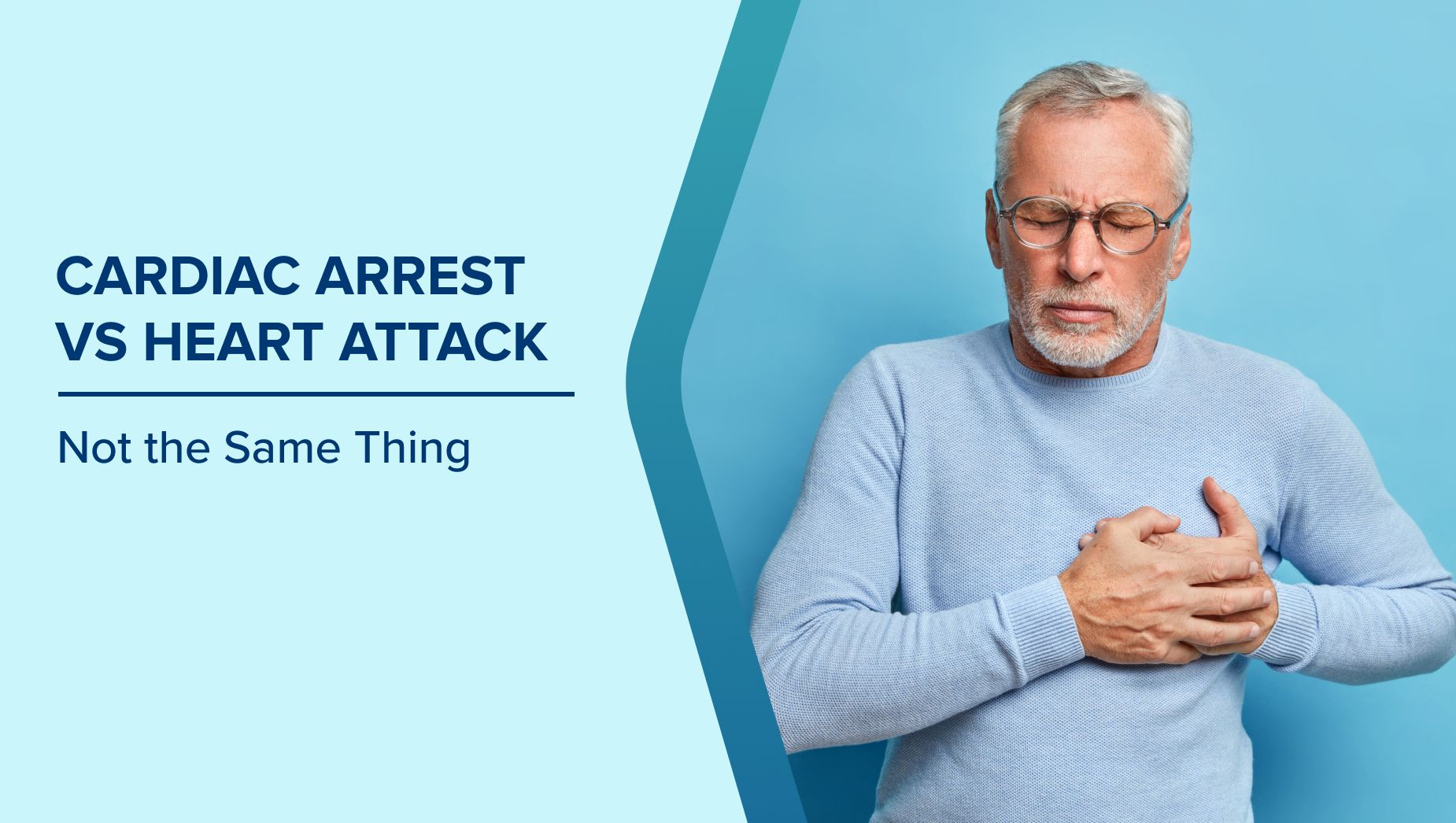
Chest pain or a sudden collapse often causes people to use the terms heart attack and cardiac arrest interchangeably. Although both are serious heart-related emergencies, they are very different conditions. Knowing how they differ can be lifesaving, because the response required in each situation is not the same, and every minute matters.
Heart-related emergencies continue to be a major cause of sudden illness and death worldwide. Delays often occur because early symptoms are misunderstood or ignored. Better awareness of warning signs, timely recognition, and prompt medical care can greatly improve outcomes.
Understanding Cardiac Arrest and Heart Attack
What is a Heart Attack?
A heart attack, medically known as a myocardial infarction, occurs when blood flow to part of the heart muscle is reduced or completely blocked. This usually happens when a blood clot forms in a coronary artery that has already narrowed over time. Without adequate oxygen, the affected portion of the heart muscle begins to suffer damage. Heart attacks often develop gradually over several hours and worsen if treatment is delayed.
What is Cardiac Arrest?
Cardiac arrest happens when the heart suddenly stops beating effectively due to a disruption in its electrical system. As a result, blood flow to the brain and vital organs stops immediately. The person loses consciousness within seconds, and without urgent intervention, cardiac arrest can become fatal within minutes.
How Are They Different and Connected?
A heart attack is primarily a problem related to blood flow, while cardiac arrest is an electrical failure of the heart. In some cases, a heart attack can trigger cardiac arrest by disturbing the heart’s rhythm. However, cardiac arrest can also occur on its own, such as due to dangerous rhythm abnormalities or underlying heart conditions.
Why Does This Difference Matter?
A heart attack may allow time for medical evaluation and treatment, whereas cardiac arrest requires immediate emergency response. Recognising which condition is occurring helps ensure the right action is taken without delay.
Common Symptoms and How to Manage Them
Heart Attack: Common Symptoms
- Chest pain, pressure, or tightness (often spreading to the left arm, jaw, neck, or back)
- Shortness of breath
- Cold sweats
- Nausea or vomiting
- Unusual fatigue, especially in women
How to Respond:
If these symptoms occur, especially if they persist or worsen, stop all activity and seek emergency medical care immediately. Early treatment helps restore blood flow and limit damage to the heart muscle.
Cardiac Arrest: Common Symptoms
- Sudden collapse
- Loss of consciousness
- No breathing or abnormal gasping
- No pulse
How to Respond:
Cardiac arrest is an immediate medical emergency. Emergency services should be contacted at once. If trained, bystanders should begin cardiopulmonary resuscitation (CPR) and use an automated external defibrillator (AED) if available, until professional help arrives.
Early Warning Signs (When to Seek Emergency Care)
Seek urgent medical help if you or someone near you experiences:
- Chest pain lasting more than a few minutes
- Sudden shortness of breath with sweating or dizziness
- Unexplained fainting or collapse
- Palpitations with light-headedness
Diagnosis Methods
For Heart Attack
- Assessment of symptoms and medical history
- Electrocardiogram (ECG) to detect changes in heart activity
- Blood tests to identify markers of heart muscle injury
- Imaging studies to evaluate heart structure and blood flow
For Cardiac Arrest
- Immediate recognition based on collapse and unresponsiveness
- Heart rhythm monitoring to identify abnormal electrical activity
- Further investigations after stabilisation to determine the underlying cause
Accurate diagnosis allows targeted treatment and helps prevent future cardiac events.
Myths vs. Facts
Myth: Heart attack and cardiac arrest are the same.
Fact: They are different conditions with different causes, though they may be related.
Myth: Chest pain must be severe to indicate a heart attack.
Fact: Heart-related symptoms can vary in intensity and presentation.
Myth: If chest pain is mild, it cannot be serious.
Fact: Heart-related pain can vary in intensity; even mild or atypical symptoms need evaluation.
Myth: Cardiac arrest always gives warning signs.
Fact: Cardiac arrest often happens suddenly without prior symptoms.
When to Seek Medical Help
- Any chest discomfort, breathlessness, or unexplained collapse should be treated as an emergency.
- If you have known heart disease, diabetes, or high blood pressure, do not delay evaluation for new or worsening symptoms.
- Family members should learn to recognise warning signs and act quickly.
Patient-Friendly Tips for Indian Patients
- Healthy Lifestyle: Regular physical activity, stress management, and avoidance of tobacco support heart health.
- Balanced Diet: Emphasise whole foods, fruits, vegetables, and moderate salt intake.
- Seasonal Awareness: Sudden exertion in cold weather can strain the heart—warm up gradually.
- Emergency Readiness: Know emergency contact numbers and nearby medical facilities.
- Family Awareness: Those close to you should recognise warning signs and know how to respond in an emergency.
Conclusion
Heart attack and cardiac arrest are often confused, but they are distinct medical emergencies that require different responses. Recognising symptoms early and acting without delay can make a critical difference. Maintaining heart health, staying alert to warning signs, and seeking timely medical care remain the most effective ways to reduce the impact of serious cardiac events.
Frequently Asked Questions
Can a heart attack happen without chest pain?
Yes, some patients, especially women and people with diabetes, may experience breathlessness, fatigue, or nausea instead of classic chest pain.
Is cardiac arrest always fatal?
No, survival is possible if emergency care, CPR, and defibrillation are provided quickly.
Can stress alone cause a heart attack or cardiac arrest?
Stress increases heart strain and can contribute to risk, especially when combined with other factors like high blood pressure or smoking.
Is it safe to travel after a heart attack?
Travel decisions should be guided by your cardiology team after proper evaluation and stabilisation.
Do dietary supplements prevent heart attacks?
Supplements cannot replace healthy lifestyle habits and medical evaluation. Balanced nutrition and risk-factor control are more important.
Can young adults experience cardiac arrest?
Yes, though less common, cardiac arrest can occur in younger individuals, especially with undiagnosed heart rhythm disorders or inherited conditions.
Written and Verified by:

Related Blogs

Dr. Ritwick Raj Bhuyan In Cardiac Sciences , Cardiac Surgery (CTVS)
Nov 08 , 2020 | 2 min read

Dr. Gaurav Minocha In Cardiac Sciences
Nov 08 , 2020 | 4 min read
Blogs by Doctor

National Heart Valve Disease Awareness Day 2022: Symptoms & Prevention
Dr. Pawan Sharma In Cardiology
Feb 24 , 2025 | 6 min read
Most read Blogs


Related Blogs
Dr. Ritwick Raj Bhuyan In Cardiac Sciences , Cardiac Surgery (CTVS)
Nov 08 , 2020 | 2 min read
Dr. Gaurav Minocha In Cardiac Sciences
Nov 08 , 2020 | 4 min read
Blogs by Doctor
National Heart Valve Disease Awareness Day 2022: Symptoms & Prevention
Dr. Pawan Sharma In Cardiology
Feb 24 , 2025 | 6 min read
Most read Blogs