 WhatsApp Us (24/7)
 +91 926 888 0303 (24/7)


To Book an Appointment
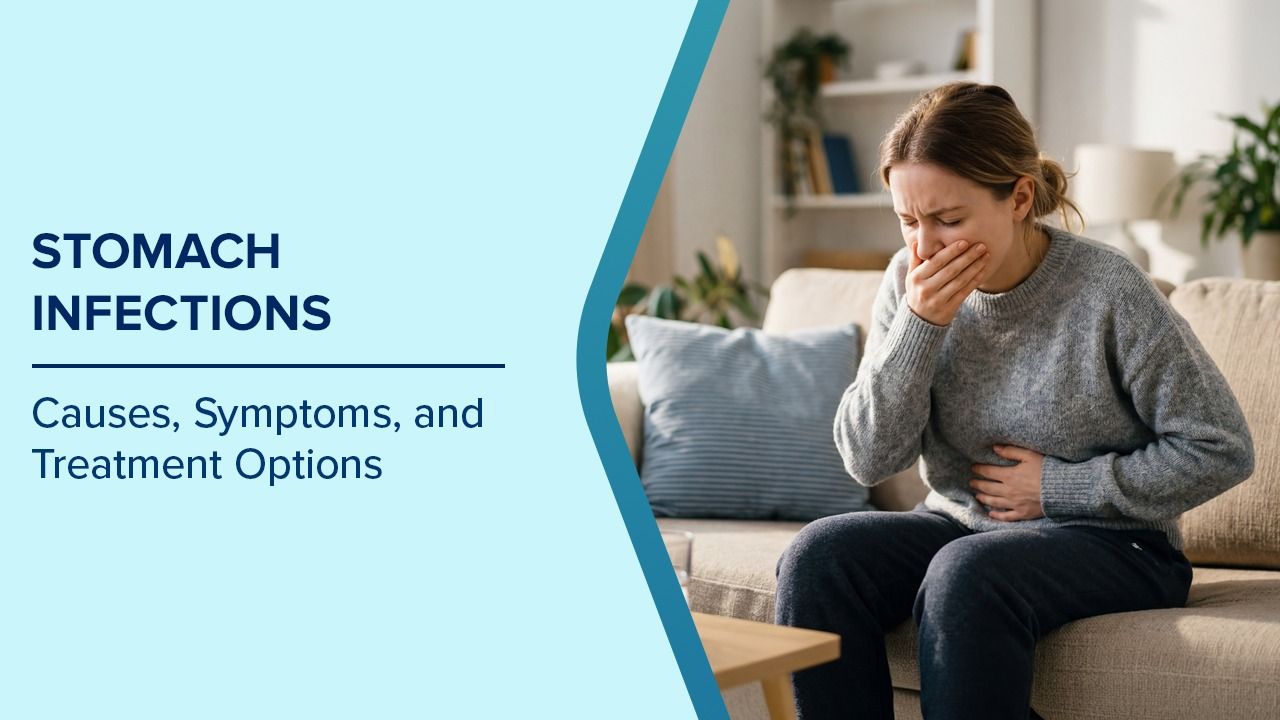
Call Us+91 926 888 0303Stomach Infections: Causes, Symptoms, and Treatment Options
By Dr. Supriya Bali in Internal Medicine
Jun 25 , 2026
1

Have you ever felt a sudden wave of nausea, sharp stomach cramps, or had to make an urgent dash to the bathroom right after a meal? If so, you may have experienced a stomach infection. Stomach infections are incredibly common and many people mistake them for ordinary indigestion or dismiss the symptoms until they become severe. The sooner the signs are caught and the causes understood, the easier it becomes to manage the condition and avoid unnecessary complications. This blog covers everything there is to know about stomach infections, from what triggers them and how they spread, to identifying symptoms and exploring the most effective treatment options available today.
What is a Stomach Infection?
A stomach infection refers to an infection of the digestive tract, usually caused by harmful bacteria, viruses, or parasites. It affects the stomach and intestines, leading to symptoms such as diarrhoea, vomiting, abdominal pain, and sometimes fever. These infections often develop after consuming contaminated food or water or through contact with an infected person.
In many cases, the condition is also known as gastroenteritis, which involves inflammation of the lining of the stomach and intestines. The severity can vary from mild discomfort to more intense symptoms that may require medical attention.
What Causes Stomach Infections?
Stomach infections can occur due to different types of harmful organisms entering the digestive system. The common causes include:
1. Bacterial Infections
Bacteria are one of the leading causes of stomach infections. These infections often result from consuming contaminated food or water. Food that is undercooked, improperly stored, or prepared in unhygienic conditions can carry harmful bacteria that irritate the digestive tract and trigger symptoms.
2. Viral Infections
Viral infections are highly contagious and can spread quickly, especially in households, schools, and crowded places. Infection may occur through direct contact with an infected person, touching contaminated surfaces, or consuming food handled by someone carrying the virus.
3. Parasitic Infections
Parasites can enter the body through unsafe drinking water or poorly cooked food. These infections are more common in areas with inadequate sanitation and may lead to longer-lasting digestive symptoms if not addressed in time.
4. Poor Hygiene Practices
Lack of proper hand hygiene increases the risk of infection. Not washing hands before eating or after using the toilet can allow harmful organisms to enter the body. Poor hygiene during food preparation can also contribute to the spread.
5. Contaminated Food and Water
Food and water that are not properly cleaned, cooked, or stored can act as a source of infection. Consuming street food or untreated water, especially during travel, can increase exposure to harmful microorganisms.
6. Weakened Immunity
A weakened immune system reduces the body’s ability to fight infections. This can make a person more susceptible to stomach infections and may also prolong recovery. Children, older adults, and those with existing health conditions are at higher risk.
How do Stomach Infections Spread?
Stomach infections can spread easily, especially in settings where hygiene and food safety are not properly maintained. The infection usually passes through contaminated sources or close contact in the following ways:
- Contaminated food: Food that is undercooked, improperly stored, or prepared in unhygienic conditions can carry harmful microorganisms that enter the digestive system.
- Contaminated water: Drinking unsafe or untreated water can expose the body to bacteria, viruses, or parasites that cause infection.
- Person-to-person contact: Close contact with an infected person, sharing utensils, or touching contaminated surfaces can lead to the spread of infection.
- Poor hand hygiene: Not washing hands properly after using the toilet or before eating allows infectious organisms to enter the body.
- Unhygienic food handling: Food prepared by someone who is infected or does not follow proper hygiene practices can increase the risk of transmission.
- Travel-related exposure: Visiting places with poor sanitation or different food and water standards can increase the chances of coming in contact with infection-causing microorganisms.
What are the Common Symptoms of a Stomach Infection?
Stomach infections can affect the digestive system in different ways, and the symptoms may appear suddenly or develop over a short period. The severity can vary depending on the cause and overall health. The most common symptoms include:
- Diarrhoea: Frequent, loose, or watery stools are one of the most noticeable signs of a stomach infection.
- Nausea and vomiting: A feeling of sickness in the stomach that may lead to vomiting, especially in the early stages of the infection.
- Abdominal pain or cramps: Discomfort or cramping in the stomach area due to irritation of the digestive tract.
- Fever: A rise in body temperature may occur as the body responds to the infection.
- Loss of appetite: Reduced desire to eat due to nausea and general discomfort.
- Fatigue and weakness: The body may feel tired and low on energy, especially if fluid loss is significant.
- Signs of dehydration:Dry mouth, reduced urination, dizziness, and increased thirst can occur due to fluid loss from diarrhoea and vomiting.
What are the Treatment Options for Stomach Infections?
The treatment for stomach infections depends on the cause, severity of symptoms, and the patient’s overall condition. The commonly used treatment options include:
1. Oral Rehydration Therapy
Oral rehydration solutions are a key part of treatment, especially in mild to moderate cases. These solutions contain the right balance of salts and glucose to help the body absorb fluids more effectively. They are recommended in cases of diarrhoea and vomiting to prevent dehydration and maintain electrolyte balance.
2. Intravenous Fluid Therapy
Intravenous fluids are used when dehydration is moderate to severe or when oral intake is not tolerated due to persistent vomiting. Fluids given through a vein help restore hydration quickly and correct electrolyte imbalances, which is important in preventing complications such as weakness, dizziness, or low blood pressure.
3. Antimicrobial Treatment
Targeted antimicrobial treatment may be required when a bacterial or parasitic infection is confirmed or strongly suspected. The choice of treatment depends on the causative organism, severity of illness, and local resistance patterns. This approach helps eliminate the infection and reduce the duration and severity of symptoms.
4. Symptomatic Medical Management
Medications may be prescribed to control symptoms such as severe diarrhoea, persistent vomiting, or fever. Managing these symptoms can improve comfort, reduce fluid loss, and support recovery. Careful selection of these medications is important to avoid masking serious underlying conditions.
5. Electrolyte Correction and Monitoring
In cases with significant fluid loss, electrolyte levels may become imbalanced. Medical management may include monitoring and correcting levels of essential electrolytes to prevent complications such as muscle weakness, confusion, or irregular heart rhythm.
6. Hospitalisation
Hospital care may be required in cases of severe dehydration, ongoing vomiting, high fever, or complications. Close monitoring allows timely intervention, including fluid management, laboratory investigations, and supportive care to stabilise the condition and ensure recovery.
Home Care Tips for Managing Symptoms
Simple care at home can help ease symptoms and support recovery in mild cases of stomach infection. The following measures can help manage discomfort and prevent worsening of symptoms:
- Stay well hydrated: Drink plenty of fluids such as clean water, oral rehydration solutions, and clear liquids to replace fluid loss.
- Eat light meals: Choose simple, easy-to-digest foods that are gentle on the stomach and avoid heavy meals.
- Avoid irritating foods: Spicy, oily, fried, or very rich foods can worsen symptoms and should be avoided until recovery.
- Maintain good hygiene: Wash hands regularly, especially before eating and after using the toilet, to prevent the spread of infection.
- Get adequate rest: Rest helps the body recover faster and supports the immune system in fighting the infection.
- Take small, frequent meals: Eating smaller portions more often can be easier to tolerate than large meals.
- Avoid sharing personal items: Do not share utensils, towels, or other personal items to reduce the risk of spreading the infection to others.
How Can Stomach Infections be Prevented
Stomach infections are often linked to hygiene and food safety practices, which makes prevention both practical and effective. Simple daily habits can significantly reduce the risk of exposure to harmful microorganisms. The key preventive measures include:
- Maintain proper hand hygiene: Wash hands thoroughly with soap and water before eating, after using the toilet, and after handling raw food.
- Ensure safe drinking water: Consume clean, filtered, or boiled water to avoid exposure to harmful organisms present in untreated sources.
- Follow safe food practices: Cook food thoroughly, wash fruits and vegetables properly, and avoid consuming food that has been left uncovered or stored improperly.
- Avoid cross-contamination: Keep raw and cooked foods separate during preparation and storage to prevent the transfer of bacteria.
- Be cautious with street food: Food prepared in unhygienic conditions may increase the risk of infection, especially in crowded or high-temperature environments.
- Maintain kitchen hygiene: Clean utensils, surfaces, and cooking areas regularly to reduce contamination.
- Take precautions during travel: Prefer freshly cooked meals and safe drinking water when visiting areas with different hygiene standards.
- Vaccination where recommended: Certain vaccines may help prevent specific infections, especially for those travelling to high-risk regions.
Consult Today
Stomach infections can come on suddenly and disrupt daily life, but most cases can be managed well with timely care and attention to symptoms. If discomfort continues or signs become more severe, getting a proper evaluation can help identify the cause and avoid complications. In such situations, consult a gastroenterologist at Max Hospital for the right diagnosis and treatment so recovery stays on track.
Frequently Asked Questions
Can stomach infections resolve without treatment?
Many mild infections settle on their own within a few days as the body clears the infection. Close monitoring of symptoms is important, as worsening signs may require medical attention.
How long does a stomach infection usually last?
The duration can vary depending on the cause. Viral infections often improve within a few days, whereas bacterial or parasitic infections may last longer and may need specific treatment.
Is it safe to go to work or school during a stomach infection?
It is advisable to avoid going to work or school until symptoms improve, as stomach infections can spread easily through contact and shared surfaces.
Can stomach infections lead to weight loss?
Temporary weight loss can occur due to reduced appetite, fluid loss, and frequent bowel movements. Weight usually returns to normal after recovery.
Are stomach infections more common during certain seasons?
Some infections are more common during warmer months due to faster growth of bacteria in food, whereas viral infections may spread more easily in colder seasons.
Can probiotics help during a stomach infection?
Probiotics may support gut health and recovery in some cases, but their use should be based on medical advice, especially if symptoms are severe or persistent.
Do stomach infections affect digestion after recovery?
In some cases, digestion may remain sensitive for a short period after recovery, leading to mild discomfort or changes in bowel habits before returning to normal.
Written and Verified by:

Related Blogs


Dr. Vandana Boobna In Internal Medicine
Nov 08 , 2020 | 2 min read
Blogs by Doctor

Bone Disease in Women : Essential Facts!
Dr. Supriya Bali In Orthopaedics & Joint Replacement
Nov 08 , 2020 | 3 min read

Most read Blogs


Related Blogs
Dr. Vandana Boobna In Internal Medicine
Nov 08 , 2020 | 2 min read
Blogs by Doctor
Bone Disease in Women : Essential Facts!
Dr. Supriya Bali In Orthopaedics & Joint Replacement
Nov 08 , 2020 | 3 min read
Most read Blogs