 WhatsApp Us (24/7)
 +91 926 888 0303 (24/7)


To Book an Appointment
Call us+91 926 888 0303To Book an Appointment
Call us+91 926 888 0303Recent Articles
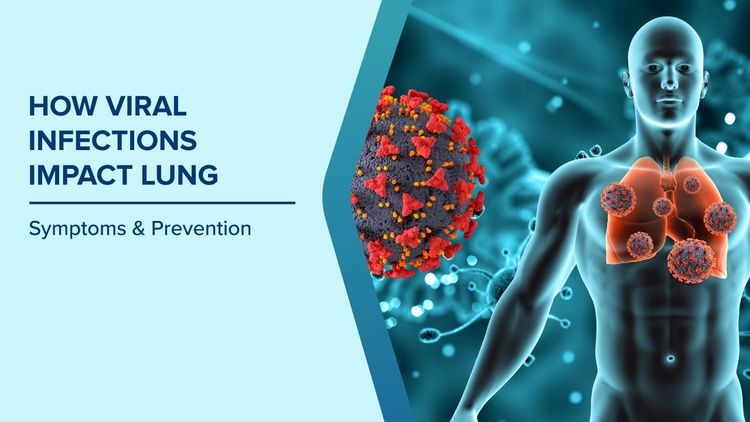
How Viral Infections Impact Lung: Symptoms & Prevention
Viral infections are among the most common causes of respiratory illness worldwide. While many viral infections begin in the nose or throat, some can spread deeper into the lungs, causing inflammation, breathing problems, and even life-threatening complications. Viruses such as influenza, respiratory syncytial virus (RSV), and coronaviruses, including SARS-CoV-2, can affect lung health in different ways. Understanding how these infections impact the lungs can help people recognise symptoms early and seek timely medical care.
Dr. Shivanshu Raj Goyal In Pulmonology
Apr 16 , 2026

Chemotherapy Before vs After Surgery: Key Differences & Benefits
Cancer treatment often involves a combination of therapies aimed at eliminating cancer cells and preventing recurrence. Among these, chemotherapy and surgery are frequently used together. However, chemotherapy may be given before or after surgery, depending on the type, stage, and behaviour of the cancer.
Dr. Rohit Nayyar In Surgical Oncology Cancer Care / Oncology Breast Cancer Head & Neck Oncology
Apr 16 , 2026

Why Vaccines are Important: Benefits & Protection
In recent years, many people have started to believe that having a “strong immune system” is enough to protect against infections, making vaccines unnecessary. While good nutrition, regular exercise, and a healthy lifestyle are essential for overall well-being, they cannot replace the specific and targeted protection that vaccines provide.
Dr. Babita Jain In Paediatrics (Ped)
Apr 16 , 2026
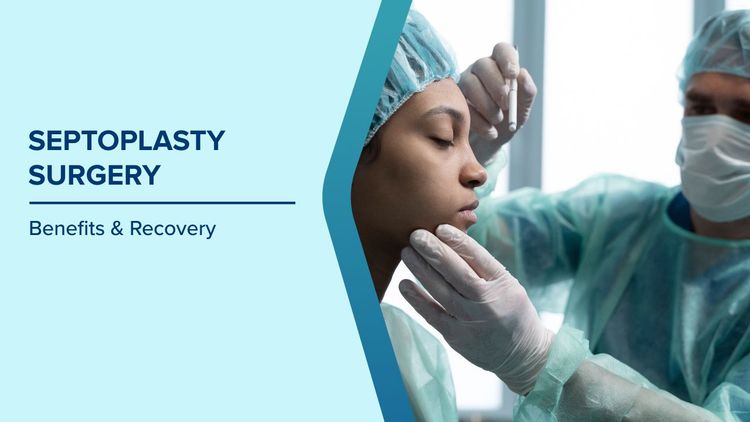
Septoplasty Surgery for Deviated Septum: Benefits & Recovery
Breathing comfortably through the nose is essential for good sleep, better oxygen flow, and overall health. However, many people experience chronic nasal blockage due to a deviated nasal septum, a condition in which the thin wall separating the nostrils is displaced to one side. When symptoms become severe and medications do not provide relief, septoplasty surgery may be recommended to correct the problem and improve breathing.
Dr. Ravinder Gera In ENT(Ear Nose Throat)
Apr 16 , 2026
Most read blogs

Loose motions or Diarrhea is one of the most common ailments across every age group – from infants and mothers to the elderly. Diarrhea is the frequent passage of watery or loose stools across irregular intervals. There are many possible causes of Diarrhea. These include allergies, food poisoning, infections, and stress. As such, Diarrhea is merely a symptom of one of many possible causes. Most of the time, loose motions is not a serious problem and can be treated at home. Below, we've outlined 3 simple h
Max Team In Internal Medicine
Feb 22 , 2018

To make sure that what you eat helps your body and also helps you stay interested, spread out your food through the day by following different food ideas. You can mix and match the following depending on how much you can eat and whether you are vegetarian or non vegetarian.
Max Team In Obstetrics And Gynaecology Nutrition And Dietetics
Nov 07 , 2020
When you have loose motions, the most effective way to return to full health is by changing your diet. There are many foods which can help you to soothe your stomach, but there are some foods that can irritate your stomach. We'll proceed by listing out some of the things that you should and shouldn't do when you have loose motions.
Max Team In Internal Medicine
Mar 21 , 2018

Many people think that squint is a permanent condition and cannot be corrected. But the truth is that eyes can be straightened at any age. Commonly known as “Strabismus”, where the eyes are not aligned in the same direction, this can be present only part of the time, in one or alternating between two eyes. The squinting may turn in (converge), turn out (diverge) or sometimes turn up or down.
Max Team In Ophthalmology Eye Care / Ophthalmology
Nov 13 , 2020
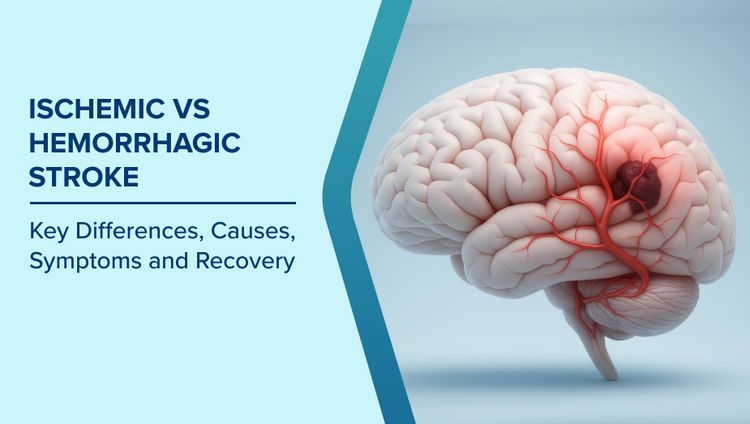
Ischemic vs Hemorrhagic Stroke: Symptoms and Causes
A stroke is a critical health emergency that occurs when the blood supply to a part of the brain is interrupted or reduced. This disruption limits the delivery of oxygen and essential nutrients, which are necessary for proper brain function. Without oxygen and nutrients, brain cells begin to die within minutes, which can lead to long-term disability or even death if not treated quickly.
Dr. Arun Saroha In Neurosurgery Neurosciences Spine Surgery
Apr 16 , 2026 | 5 min read
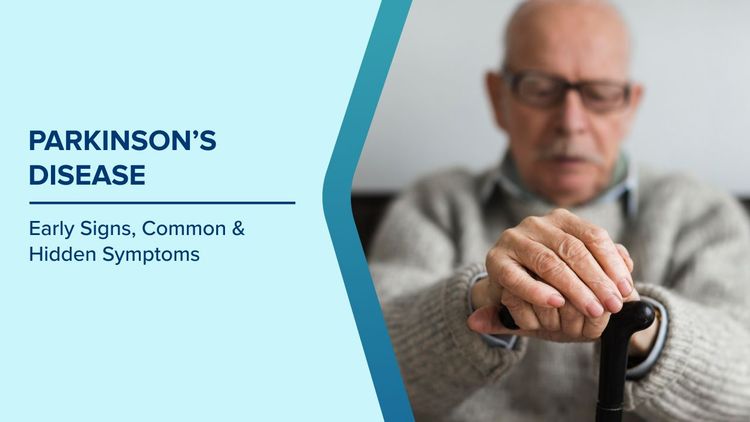
Parkinson’s Disease: Early Signs, Common & Hidden Symptoms
Parkinson’s disease is often associated with visible movement changes, especially tremors. However, the condition does not always begin with obvious physical symptoms. In many cases, the earliest signs are subtle and can easily be overlooked or mistaken for everyday changes.
Dr. K. M. Hassan In Neurosciences Interventional Neurology Neurology
Apr 16 , 2026 | 2 min read
Autoimmune Diseases in Women: Early Signs, Risks & Care
Autoimmune diseases are conditions in which the body’s immune system mistakenly attacks its own healthy tissues. Instead of protecting the body from infections, the immune system becomes overactive and begins targeting organs, joints, skin, or glands.
Dr. Vineet Arora In Endocrinology & Diabetes Internal Medicine
Apr 16 , 2026
How Peripheral Angiography Works: Benefits & Risks
Peripheral artery disease (PAD) is a common circulatory condition in which arteries that supply blood to the legs become narrowed or blocked. This usually happens because of plaque buildup, fatty deposits that accumulate on artery walls and restrict blood flow. One of the most reliable ways doctors diagnose these blockages is through peripheral angiography, an advanced imaging test that provides a detailed view of the arteries in the legs.
Dr. Arun Kumar Gupta In Cardiac Sciences Cardiology Interventional Cardiology
Apr 16 , 2026
By Specialities
- Aesthetic And Reconstructive Surgery
- Allergy
- Anaesthesia
- Arthroscopic Surgery
- Arthroscopy & Sports Injury
- Audiology
- Ayurveda Medicine
- Bariatric Surgery / Metabolic
- Bone Marrow Transplant
- Breast Cancer
- Cancer Care / Oncology
- Cardiac Anesthesia
- Cardiac Electrophysiology-Pacemaker
- Cardiac Sciences
- Cardiac Surgery
- Cardiac Surgery (CTVS)
- Cardiology
- Child Development Clinic
- Clinical Psychology
- Critical Care
- Dental Care
- Department of General Surgery and Robotics
- Dermatology
- Diabesity Clinic
- Diabetes Educator
- Dietetics
- Emergency & Trauma
- Emergency Medicine
- Endocrinology & Diabetes
- Endodontist & Cosmetic Dentist
- ENT
- ENT(Ear Nose Throat)
- Eye Care / Ophthalmology
- Foetal Medicine
- Gastro Intestinal & Hepatopancreatobiliary Surgical Oncology
- Gastroenterology, Hepatology & Endoscopy
- Gastrointestinal & Hepatobiliary Oncology
- Gastrointestinal Surgery
- General Surgery
- Gynaecologic Laparoscopy
- Gynecologic Oncology
- Haematology
- Hair Transplant
- Hand & Limb Reconstruction
- Head & Neck Oncology
- Health And Wellness
- Hematology
- Hematology Oncology
- Infertility & IVF
- Institute of Laparoscopic, Endoscopic & Bariatric Surgery
- Internal Medicine
- Interventional Cardiology
- Interventional Neurology
- Interventional Radiology
- Kidney Transplant
- Laboratory Medicine / Pathology
- Laparoscopic / Minimal Access Surgery
- Liver Transplant and Biliary Sciences
- Lung Transplant
- Maternity
- Maxillofacial Surgery and Implantology
- Medical & Surgical Gastroenterology
- Medical Oncology
- Mental Health And Behavioural Sciences
- Metabolic And Bariatric Surgery
- Molecular Oncology & Cancer Genetics
- Musculoskeletal Oncology
- Musculoskeletal Surgical Oncology
- Neonatology
- Nephrology
- Neuro Oncology
- Neurology
- Neurosciences
- Neurosurgery
- Nuclear Medicine
- Nutrition And Dietetics
- Obstetrics And Gynaecology
- Oncology Reconstructive Surgery
- Ophthalmology
- Orthopaedics & Joint Replacement
- Paediatric (Ped) Cardiac Surgery
- Paediatric (Ped) Cardiology
- Paediatric (Ped) Endocrinology
- Paediatric (Ped) Gastroenterology
- Paediatric (Ped) Hematology
- Paediatric (Ped) Intensive Care
- Paediatric (Ped) Nephrology
- Paediatric (Ped) Neurology
- Paediatric (Ped) Neurosurgery
- Paediatric (Ped) Oncology
- Paediatric (Ped) Pulmonology
- Paediatric (Ped)/Medical Oncology
- Paediatric Haematology
- Paediatrics (Ped)
- Pain Management
- Palliative Care
- Periodontology
- Physiotherapy & Rehabilitation Medicine
- Psychiatry
- Pulmonology
- Radiation Oncology
- Radiology
- Rheumatology
- Robotic Joint Replacement
- Robotic Surgery
- Spine Surgery
- Surgical Oncology
- Thoracic Oncology
- Thoracic Oncology Surgery
- Thoracic Surgery
- Transfusion Medicine
- Uro-Oncology
- Urology
- Vascular Surgery