 WhatsApp Us (24/7)
 +91 926 888 0303 (24/7)


To Book an Appointment
Call us+91 926 888 0303To Book an Appointment
Call us+91 926 888 0303Recent Articles
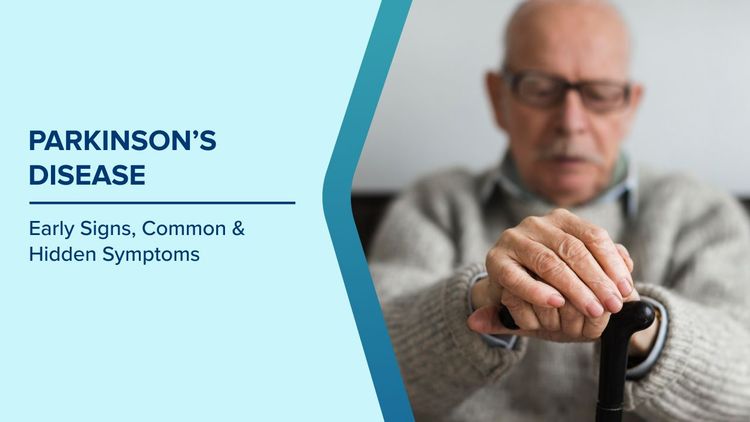
Parkinson’s Disease: Early Signs, Common & Hidden Symptoms
Parkinson’s disease is often associated with visible movement changes, especially tremors. However, the condition does not always begin with obvious physical symptoms. In many cases, the earliest signs are subtle and can easily be overlooked or mistaken for everyday changes.
Dr. K. M. Hassan In Neurosciences Interventional Neurology Neurology
Apr 16 , 2026 | 2 min read
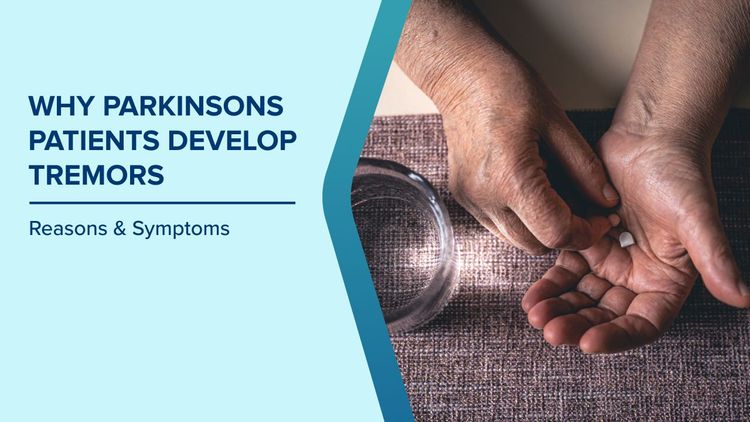
Why Parkinsons Patients Develop Tremors: Reasons & Symptoms
Parkinson’s disease is a progressive neurological disorder that primarily affects movement. One of the most recognisable features of Parkinson’s is the presence of tremors (involuntary shaking) and slow movements, medically known as bradykinesia. These symptoms can significantly impact daily activities such as walking, writing, eating, or even buttoning a shirt.
Dr. Vinny Sood In Neurosciences Neurology
Apr 16 , 2026
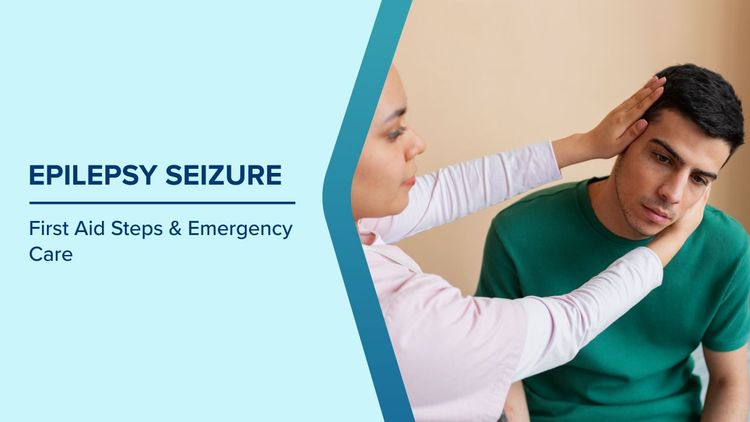
Epilepsy Seizure: First Aid Steps & Emergency Care
An epilepsy seizure is a sudden surge of abnormal electrical activity in the brain that can cause changes in movement, awareness, or behaviour. Knowing what to do during a seizure is crucial for preventing injury and ensuring safety. Proper epilepsy seizure first aid focuses on staying calm, protecting the person, and monitoring the episode.
Dr. Rajesh Gupta In Neurosciences Neurology
Apr 11 , 2026 | 3 min read
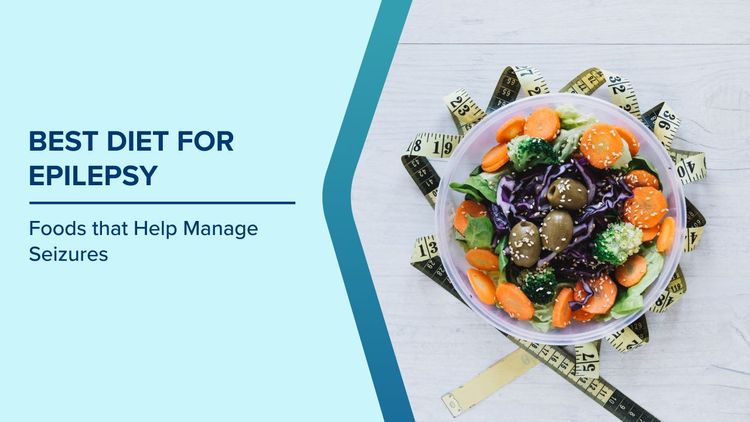
Best Diet for Epilepsy: Foods that Help Manage Seizures
Diet plays an important supportive role in epilepsy care, but it is not a replacement for medical treatment. A well-planned epilepsy diet may help reduce seizure frequency in some individuals by influencing brain metabolism and stability. Approaches like the ketogenic diet have shown benefits in selected patients. Understanding the connection between food and seizures can help guide better choices. However, any diet for seizure control should always be followed under medical supervision to ensure safety and effectiveness
Dr. Sawan Kumar Verma In Neurosciences
Apr 08 , 2026
Most read blogs

Loose motions or Diarrhea is one of the most common ailments across every age group – from infants and mothers to the elderly. Diarrhea is the frequent passage of watery or loose stools across irregular intervals. There are many possible causes of Diarrhea. These include allergies, food poisoning, infections, and stress. As such, Diarrhea is merely a symptom of one of many possible causes. Most of the time, loose motions is not a serious problem and can be treated at home. Below, we've outlined 3 simple h
Max Team In Internal Medicine
Feb 22 , 2018

To make sure that what you eat helps your body and also helps you stay interested, spread out your food through the day by following different food ideas. You can mix and match the following depending on how much you can eat and whether you are vegetarian or non vegetarian.
Max Team In Obstetrics And Gynaecology Nutrition And Dietetics
Nov 07 , 2020
When you have loose motions, the most effective way to return to full health is by changing your diet. There are many foods which can help you to soothe your stomach, but there are some foods that can irritate your stomach. We'll proceed by listing out some of the things that you should and shouldn't do when you have loose motions.
Max Team In Internal Medicine
Mar 21 , 2018

Many people think that squint is a permanent condition and cannot be corrected. But the truth is that eyes can be straightened at any age. Commonly known as “Strabismus”, where the eyes are not aligned in the same direction, this can be present only part of the time, in one or alternating between two eyes. The squinting may turn in (converge), turn out (diverge) or sometimes turn up or down.
Max Team In Ophthalmology Eye Care / Ophthalmology
Nov 13 , 2020
What Happens in Down Syndrome: Complications & Seizure Risk
Down syndrome, also known as Trisomy 21, is the most common chromosomal condition associated with intellectual disability. It occurs when a child is born with an extra copy of chromosome 21, which affects physical growth, cognitive development, and multiple organ systems. While many people are aware of the developmental challenges linked to Down syndrome, fewer realise that it can also involve several neurological complications
Dr. Vinny Sood In Neurosciences Neurology
Mar 23 , 2026
Headache with Vomiting: Causes, Symptoms & When to Seek Urgent Care
Headache with vomiting is common and, in most cases, not life-threatening. The usual causes include migraine, viral infections, dehydration, or temporary gastrointestinal illness. These conditions are uncomfortable but self-limited and improve with rest, hydration, and appropriate medication. However, certain patterns require urgent medical evaluation.
Dr. Vinny Sood In Neurosciences Neurology
Mar 12 , 2026
Seizure First Aid: What to Do & Don’t During a Seizure
A seizure is a sudden burst of abnormal electrical activity in the brain. It can cause changes in movement, awareness, behaviour, or sensation. Some seizures involve shaking and loss of consciousness. Others may look like brief staring spells or confusion.
Dr. Shamsher Dwivedee In Neurosciences Neurology
Mar 10 , 2026
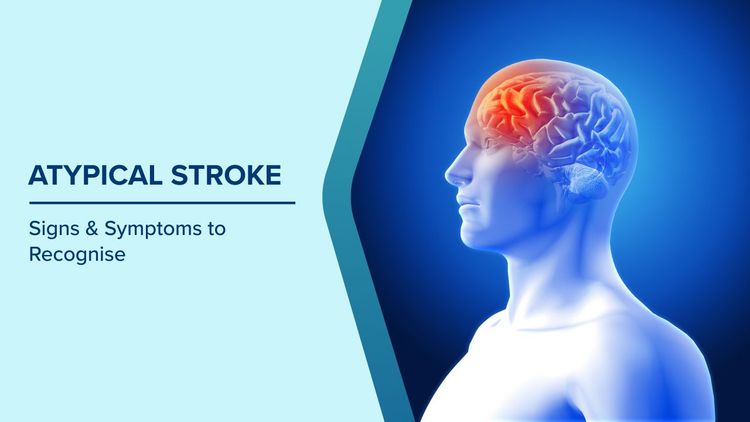
Understanding Atypical Stroke Symptoms and Risks
Stroke is a medical emergency, yet not every stroke announces itself in a textbook way. Public awareness campaigns have rightly focused on the FAST rule, which highlights facial drooping, arm weakness, speech difficulty, and the importance of acting quickly. While FAST saves lives, it does not capture the full picture. Many strokes present with symptoms that fall outside this framework, leading to delayed diagnosis and treatment.
Dr. Vinny Sood In Neurosciences Neurology
Mar 10 , 2026
By Specialities
- Aesthetic And Reconstructive Surgery
- Allergy
- Anaesthesia
- Arthroscopic Surgery
- Arthroscopy & Sports Injury
- Audiology
- Ayurveda Medicine
- Bariatric Surgery / Metabolic
- Bone Marrow Transplant
- Breast Cancer
- Cancer Care / Oncology
- Cardiac Anesthesia
- Cardiac Electrophysiology-Pacemaker
- Cardiac Sciences
- Cardiac Surgery
- Cardiac Surgery (CTVS)
- Cardiology
- Child Development Clinic
- Clinical Psychology
- Critical Care
- Dental Care
- Department of General Surgery and Robotics
- Dermatology
- Diabesity Clinic
- Diabetes Educator
- Dietetics
- Emergency & Trauma
- Emergency Medicine
- Endocrinology & Diabetes
- Endodontist & Cosmetic Dentist
- ENT
- ENT(Ear Nose Throat)
- Eye Care / Ophthalmology
- Foetal Medicine
- Gastro Intestinal & Hepatopancreatobiliary Surgical Oncology
- Gastroenterology, Hepatology & Endoscopy
- Gastrointestinal & Hepatobiliary Oncology
- Gastrointestinal Surgery
- General Surgery
- Gynaecologic Laparoscopy
- Gynecologic Oncology
- Haematology
- Hair Transplant
- Hand & Limb Reconstruction
- Head & Neck Oncology
- Health And Wellness
- Hematology
- Hematology Oncology
- Infertility & IVF
- Institute of Laparoscopic, Endoscopic & Bariatric Surgery
- Internal Medicine
- Interventional Cardiology
- Interventional Neurology
- Interventional Radiology
- Kidney Transplant
- Laboratory Medicine / Pathology
- Laparoscopic / Minimal Access Surgery
- Liver Transplant and Biliary Sciences
- Lung Transplant
- Maternity
- Maxillofacial Surgery and Implantology
- Medical & Surgical Gastroenterology
- Medical Oncology
- Mental Health And Behavioural Sciences
- Metabolic And Bariatric Surgery
- Molecular Oncology & Cancer Genetics
- Musculoskeletal Oncology
- Musculoskeletal Surgical Oncology
- Neonatology
- Nephrology
- Neuro Oncology
- Neurology
- Neurosciences
- Neurosurgery
- Nuclear Medicine
- Nutrition And Dietetics
- Obstetrics And Gynaecology
- Oncology Reconstructive Surgery
- Ophthalmology
- Orthopaedics & Joint Replacement
- Paediatric (Ped) Cardiac Surgery
- Paediatric (Ped) Cardiology
- Paediatric (Ped) Endocrinology
- Paediatric (Ped) Gastroenterology
- Paediatric (Ped) Hematology
- Paediatric (Ped) Intensive Care
- Paediatric (Ped) Nephrology
- Paediatric (Ped) Neurology
- Paediatric (Ped) Neurosurgery
- Paediatric (Ped) Oncology
- Paediatric (Ped) Pulmonology
- Paediatric (Ped)/Medical Oncology
- Paediatric Haematology
- Paediatrics (Ped)
- Pain Management
- Palliative Care
- Periodontology
- Physiotherapy & Rehabilitation Medicine
- Psychiatry
- Pulmonology
- Radiation Oncology
- Radiology
- Rheumatology
- Robotic Joint Replacement
- Robotic Surgery
- Spine Surgery
- Surgical Oncology
- Thoracic Oncology
- Thoracic Oncology Surgery
- Thoracic Surgery
- Transfusion Medicine
- Uro-Oncology
- Urology
- Vascular Surgery