 WhatsApp Us (24/7)
 +91 926 888 0303 (24/7)


To Book an Appointment
Call us+91 926 888 0303To Book an Appointment
Call us+91 926 888 0303Recent Articles
A 101 Guide to Diabetes Insipidus (DI)
When people hear the term "diabetes," most of them think of “Diabetes Mellitus”, a condition characterised by high blood sugar levels. However, there's another form of diabetes that isn't as well-known but is equally important to understand, “Diabetes Insipidus” or DI. Despite sharing a name, Diabetes Insipidus and Diabetes Mellitus are two very different conditions with distinct causes, symptoms, and treatments. This blog aims to shed light on Diabetes Insipidus, providing a comprehensive guide to help you understand what it is, how it affects the body, and the ways it can be managed. Let's dive into the details of this often-overlooked condition and learn more about its unique characteristics.
Dr. Aprajita Pradhan In Endocrinology & Diabetes
Jan 05 , 2026 | 10 min read
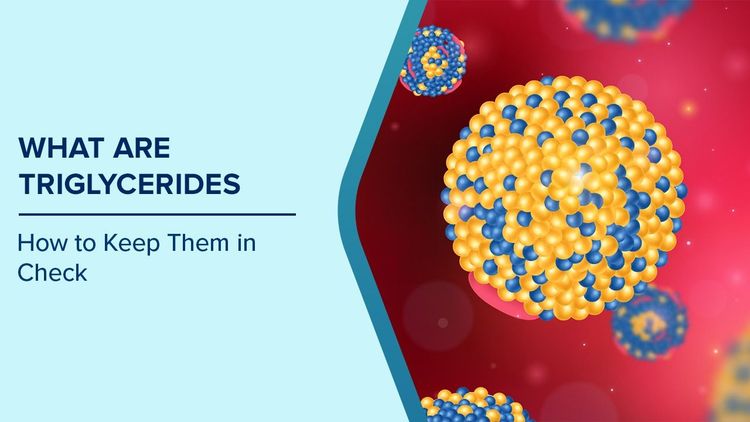
Triglycerides: How to Keep Them in Check
What are triglycerides? These are fats that typically accumulate around the gut (the “spare tire”) as well as around muscles (flabby arms). A normal triglyceride level should be less than 150 mg/dl of blood. They are closely associated
Dr. Anshu Alok In Endocrinology & Diabetes
Jan 05 , 2026 | 7 min read

30-minutes walk a day could prevent diabetes
Diabetes has become an ever-growing epidemic in the current lifestyle. Exercise and weight control, along with timely medical intervention are the key to Diabetes control and prevention of complications namely kidney failure, foot ulcers and blindness.
Dr. Sujeet Jha In Endocrinology & Diabetes
Jan 05 , 2026 | 1 min read

What is JUVENILE DIABETES?
Dr. Vaishakhi Rustagi says, if a child is suffering from this condition, he/she may not be able to produce their own insulin because their sugar levels remain high. These children need daily injections of insulin- which are available in an injectable form as other forms are unstable. Generally known as Type 1 Diabetes Mellitus (DM), Juvenile Diabetes is seen in Children between 5-15 years of age. Surprisingly, the incidence has increased in children younger than 5 years. There are several differences
Dr. Vaishakhi Rustagi In Endocrinology & Diabetes Paediatric (Ped) Endocrinology
Jan 05 , 2026 | 1 min read
Most read blogs

Loose motions or Diarrhea is one of the most common ailments across every age group – from infants and mothers to the elderly. Diarrhea is the frequent passage of watery or loose stools across irregular intervals. There are many possible causes of Diarrhea. These include allergies, food poisoning, infections, and stress. As such, Diarrhea is merely a symptom of one of many possible causes. Most of the time, loose motions is not a serious problem and can be treated at home. Below, we've outlined 3 simple h
Max Team In Internal Medicine
Feb 22 , 2018 | 1 min read

To make sure that what you eat helps your body and also helps you stay interested, spread out your food through the day by following different food ideas. You can mix and match the following depending on how much you can eat and whether you are vegetarian or non vegetarian.
Max Team In Obstetrics And Gynaecology Nutrition And Dietetics
Nov 07 , 2020 | 1 min read
When you have loose motions, the most effective way to return to full health is by changing your diet. There are many foods which can help you to soothe your stomach, but there are some foods that can irritate your stomach. We'll proceed by listing out some of the things that you should and shouldn't do when you have loose motions.
Max Team In Internal Medicine
Mar 21 , 2018 | 1 min read

Many people think that squint is a permanent condition and cannot be corrected. But the truth is that eyes can be straightened at any age. Commonly known as “Strabismus”, where the eyes are not aligned in the same direction, this can be present only part of the time, in one or alternating between two eyes. The squinting may turn in (converge), turn out (diverge) or sometimes turn up or down.
Max Team In Ophthalmology Eye Care / Ophthalmology
Nov 13 , 2020 | 1 min read

What is the Reason for Delayed Puberty in Children?
Dr. Vaishakhi Rustagi says, puberty is a term that is used for the transition from a boy into a man or girl into a woman. Normal pubertal changes occur between 9-12 years of age in girls and 10-13 years of age in boys. Certain hormones are released from the brain which stimulates the testicles in boys to produce testosterone (male hormone) and the ovaries in girls to produce oestrogen (female hormone). Testosterone and oestrogen further bring about sexual changes in a child. How can you know about del
Dr. Vaishakhi Rustagi In Endocrinology & Diabetes Paediatric (Ped) Endocrinology
Jan 05 , 2026 | 2 min read
World Diabetes Day 2025: Working Towards a Diabetes-Free Future
According to WHO, about 422 million people worldwide have diabetes, and the disorder accounts for approximately 1.5 million deaths each year. What’s even more concerning is that the cases of diabetes affecting children below the age of 18 years , have been increasing over the past few decades, pointing towards a pressing need for increasing awareness about this disorder. This need led to the foundation of World Diabetes Day.
Dr. Aprajita Pradhan In Endocrinology & Diabetes
Jan 05 , 2026 | 10 min read

Type 2 Diabetes - A Quick Guide
Learn about Type 2 Diabetes, risk factors, preventions, and effective lifestyle changes. Book online appointments with the best Doctors at Max Hospital in India.
Dr. Neeru Gera In Endocrinology & Diabetes
Jan 05 , 2026 | 1 min read

Graves' Disease: Symptoms, Causes, and Treatment Strategies
Graves' disease is a common autoimmune disorder affecting the thyroid gland, which can have profound effects on an individual's health and well-being. Characterised by the overproduction of thyroid hormones, Graves' disease can lead to a wide range of symptoms, ranging from rapid heartbeat and weight loss to eye complications and skin changes. Understanding the symptoms, causes, and treatment strategies for Graves' disease is essential for effective management and improved quality of life. Therefore, in this article, we explore the intricacies of Graves' disease, covering its symptoms, underlying causes, and various treatment approaches aimed at alleviating symptoms and restoring thyroid function. Let’s begin with some basics.
Dr. Saket Kant In Endocrinology & Diabetes
Jan 05 , 2026 | 11 min read
By Specialities
- Aesthetic And Reconstructive Surgery
- Allergy
- Anaesthesia
- Arthroscopic Surgery
- Arthroscopy & Sports Injury
- Audiology
- Ayurveda Medicine
- Bariatric Surgery / Metabolic
- Bone Marrow Transplant
- Breast Cancer
- Cancer Care / Oncology
- Cardiac Anesthesia
- Cardiac Electrophysiology-Pacemaker
- Cardiac Sciences
- Cardiac Surgery
- Cardiac Surgery (CTVS)
- Cardiology
- Child Development Clinic
- Clinical Psychology
- Critical Care
- Dental Care
- Department of General Surgery and Robotics
- Dermatology
- Diabesity Clinic
- Diabetes Educator
- Dietetics
- Emergency & Trauma
- Emergency Medicine
- Endocrinology & Diabetes
- Endodontist & Cosmetic Dentist
- ENT
- ENT(Ear Nose Throat)
- Eye Care / Ophthalmology
- Foetal Medicine
- Gastro Intestinal & Hepatopancreatobiliary Surgical Oncology
- Gastroenterology, Hepatology & Endoscopy
- Gastrointestinal & Hepatobiliary Oncology
- Gastrointestinal Surgery
- General Surgery
- Gynaecologic Laparoscopy
- Gynecologic Oncology
- Haematology
- Hair Transplant
- Hand & Limb Reconstruction
- Head & Neck Oncology
- Health And Wellness
- Hematology
- Hematology Oncology
- Infertility & IVF
- Institute of Laparoscopic, Endoscopic & Bariatric Surgery
- Internal Medicine
- Interventional Cardiology
- Interventional Neurology
- Interventional Radiology
- Kidney Transplant
- Laboratory Medicine / Pathology
- Laparoscopic / Minimal Access Surgery
- Liver Transplant and Biliary Sciences
- Lung Transplant
- Maternity
- Maxillofacial Surgery and Implantology
- Medical & Surgical Gastroenterology
- Medical Oncology
- Mental Health And Behavioural Sciences
- Metabolic And Bariatric Surgery
- Molecular Oncology & Cancer Genetics
- Musculoskeletal Oncology
- Musculoskeletal Surgical Oncology
- Neonatology
- Nephrology
- Neuro Oncology
- Neurology
- Neurosciences
- Neurosurgery
- Nuclear Medicine
- Nutrition And Dietetics
- Obstetrics And Gynaecology
- Oncology Reconstructive Surgery
- Ophthalmology
- Orthopaedics & Joint Replacement
- Paediatric (Ped) Cardiac Surgery
- Paediatric (Ped) Cardiology
- Paediatric (Ped) Endocrinology
- Paediatric (Ped) Gastroenterology
- Paediatric (Ped) Hematology
- Paediatric (Ped) Intensive Care
- Paediatric (Ped) Nephrology
- Paediatric (Ped) Neurology
- Paediatric (Ped) Neurosurgery
- Paediatric (Ped) Oncology
- Paediatric (Ped) Pulmonology
- Paediatric (Ped)/Medical Oncology
- Paediatric Haematology
- Paediatrics (Ped)
- Pain Management
- Palliative Care
- Periodontology
- Physiotherapy & Rehabilitation Medicine
- Psychiatry
- Pulmonology
- Radiation Oncology
- Radiology
- Rheumatology
- Robotic Joint Replacement
- Robotic Surgery
- Spine Surgery
- Surgical Oncology
- Thoracic Oncology
- Thoracic Oncology Surgery
- Thoracic Surgery
- Transfusion Medicine
- Uro-Oncology
- Urology
- Vascular Surgery