 WhatsApp Us (24/7)
 +91 926 888 0303 (24/7)


To Book an Appointment
Call us+91 926 888 0303To Book an Appointment
Call us+91 926 888 0303Recent Articles

Stroke Symptoms & How To Act During A Stroke Emergency
A stroke is a medical emergency where blood flow to the brain is interrupted, causing brain cells to die rapidly. The quicker it’s recognised and treated, the better the chances are for recovery and reducing the long-term effects. The key to early intervention lies in knowing the symptoms and acting within what’s known as the “golden hour"—the crucial first hour after symptoms start. This window of time is essential because proper medical care during this period can minimise brain damage and improve the chance of a full recovery.
Dr. Manoj Khanal In Neurosciences Interventional Neurology Neurology
Jan 04 , 2026 | 3 min read

Who is the Real “Hero” of Stroke Care?
We know more about our clothes and cars than we know about our health and body. It is astonishing that we spend more time to research about which laptop to buy, but when it comes to our own health most of us take a passive approach. This deficiency of knowledge is even more evident when it comes to dealing with emergencies. “Ït is too late now, I am sorry!” Unfortunately, we have heard this line more often in the real life than in films. The question arises, what can we do to change this? How do we tac
Dr. Chandril Chugh In Neurosciences Interventional Neurology
Jan 01 , 2026 | 3 min read
STROKE: It's a CHOICE! Don't Call it a Disease
For ages we have known that prevention is better than cure, it holds true even for a Stroke. Stroke or brain attack is a lifestyle associated disease and it is entirely your choice on how you choose to prevent it. Dr. Chandril Chugh , Head, Interventional Neurologist, Max Super Speciality Hospital, Saket , says the majority cases of stroke are due to a sedentary lifestyle and an unhealthy diet
Max Team In Interventional Neurology
Dec 31 , 2025 | 2 min read

Are you Stroke Smart? Calculate your Stroke Smart Score
Let's see if you are stroke smart. Below are eleven questions based on general knowledge about stroke . Try and answer them and then score yourself to see if you are a Stroke Novice or a Stroke GOD. Every question is one point. 1. What is Stroke? Is it how you swim? Related to cricket? A brain emergency A heart disease. Its bad, but I don't know what it is exactly Answer: Stroke is rapid and sudden damage to the brain. Also known as brain attack or paralytic attack. 2. How common is a strok
Dr. Chandril Chugh In Neurosciences Interventional Neurology
Dec 29 , 2025 | 3 min read
Most read blogs

Loose motions or Diarrhea is one of the most common ailments across every age group – from infants and mothers to the elderly. Diarrhea is the frequent passage of watery or loose stools across irregular intervals. There are many possible causes of Diarrhea. These include allergies, food poisoning, infections, and stress. As such, Diarrhea is merely a symptom of one of many possible causes. Most of the time, loose motions is not a serious problem and can be treated at home. Below, we've outlined 3 simple h
Max Team In Internal Medicine
Feb 22 , 2018 | 3 min read

To make sure that what you eat helps your body and also helps you stay interested, spread out your food through the day by following different food ideas. You can mix and match the following depending on how much you can eat and whether you are vegetarian or non vegetarian.
Max Team In Obstetrics And Gynaecology Nutrition And Dietetics
Nov 07 , 2020 | 3 min read
When you have loose motions, the most effective way to return to full health is by changing your diet. There are many foods which can help you to soothe your stomach, but there are some foods that can irritate your stomach. We'll proceed by listing out some of the things that you should and shouldn't do when you have loose motions.
Max Team In Internal Medicine
Mar 21 , 2018 | 3 min read

Many people think that squint is a permanent condition and cannot be corrected. But the truth is that eyes can be straightened at any age. Commonly known as “Strabismus”, where the eyes are not aligned in the same direction, this can be present only part of the time, in one or alternating between two eyes. The squinting may turn in (converge), turn out (diverge) or sometimes turn up or down.
Max Team In Ophthalmology Eye Care / Ophthalmology
Nov 13 , 2020 | 3 min read
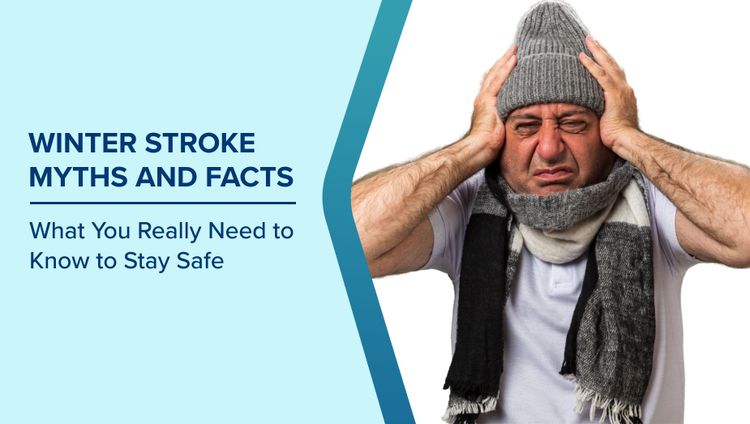
Stroke Risk in Winter: Myths, Facts & Prevention Tips
As winter sets in, cold temperatures bring cosy mornings, warm drinks, and festive cheer. However, they also increase the risk of serious health issues, including strokes. Stroke in winter is a growing concern for health professionals because colder weather affects circulation, blood pressure, and overall cardiovascular health.
Dr. Manoj Khanal In Neurosciences Interventional Neurology
Dec 29 , 2025 | 4 min read
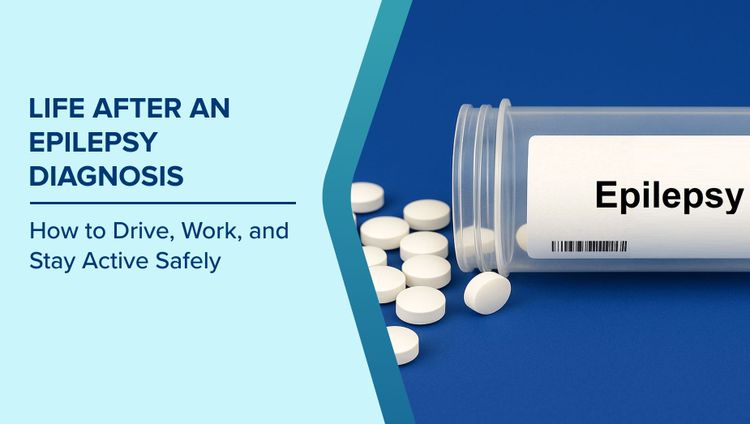
Life After an Epilepsy Diagnosis: How to Drive, Work, and Stay Active Safely
Receiving an epilepsy diagnosis can feel overwhelming. Questions about daily life, independence, and safety can arise almost immediately. Many people wonder how they will continue to drive, work, or participate in physical activities. While epilepsy brings challenges, it does not mean giving up on living a full and active life. With proper strategies, awareness, and support, people with epilepsy can maintain independence and confidence.
Dr. Manoj Khanal In Neurosciences Interventional Neurology Neurology
Nov 26 , 2025 | 5 min read
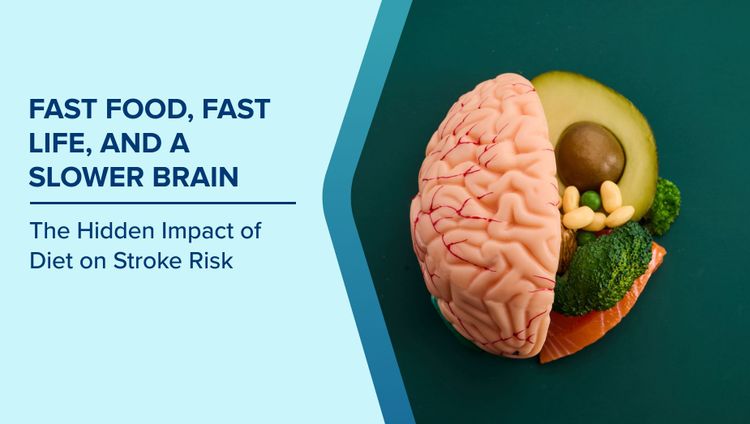
Fast Food, Fast Life, and a Slower Brain: The Hidden Impact of Diet on Stroke Risk
You grab a burger on your way to a busy meeting, skip lunch in favour of a soda and snack, and feel too drained for exercise by evening. Modern life often means fast food, fast pace, and a growing toll on your brain. The foods that ease your hunger quickly may be quietly increasing your stroke risk factors, while the lifestyle that suits your schedule may harm your brain health and nutrition.
Dr. Manoj Khanal In Neurosciences Interventional Neurology Neurology
Nov 06 , 2025 | 4 min read
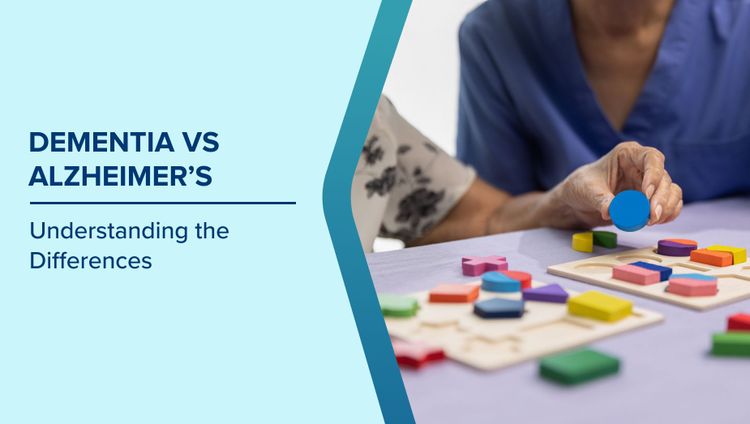
Dementia vs Alzheimer’s: Understanding the Differences
Dementia and Alzheimer’s are terms that are often used interchangeably, but they are not the same. Both conditions affect memory, thinking, and behaviour, yet understanding their differences is crucial for families, caregivers, and anyone concerned about senior mental health. With the growing ageing population, dementia awareness has never been more important.
Dr. Manoj Khanal In Neurosciences Interventional Neurology Neurology
Sep 23 , 2025 | 4 min read
By Specialities
- Aesthetic And Reconstructive Surgery
- Allergy
- Anaesthesia
- Arthroscopic Surgery
- Arthroscopy & Sports Injury
- Audiology
- Ayurveda Medicine
- Bariatric Surgery / Metabolic
- Bone Marrow Transplant
- Breast Cancer
- Cancer Care / Oncology
- Cardiac Anesthesia
- Cardiac Electrophysiology-Pacemaker
- Cardiac Sciences
- Cardiac Surgery
- Cardiac Surgery (CTVS)
- Cardiology
- Child Development Clinic
- Clinical Psychology
- Critical Care
- Dental Care
- Department of General Surgery and Robotics
- Dermatology
- Diabesity Clinic
- Diabetes Educator
- Dietetics
- Emergency & Trauma
- Emergency Medicine
- Endocrinology & Diabetes
- Endodontist & Cosmetic Dentist
- ENT
- ENT(Ear Nose Throat)
- Eye Care / Ophthalmology
- Foetal Medicine
- Gastro Intestinal & Hepatopancreatobiliary Surgical Oncology
- Gastroenterology, Hepatology & Endoscopy
- Gastrointestinal & Hepatobiliary Oncology
- Gastrointestinal Surgery
- General Surgery
- Gynaecologic Laparoscopy
- Gynecologic Oncology
- Haematology
- Hair Transplant
- Hand & Limb Reconstruction
- Head & Neck Oncology
- Health And Wellness
- Hematology
- Hematology Oncology
- Infertility & IVF
- Institute of Laparoscopic, Endoscopic & Bariatric Surgery
- Internal Medicine
- Interventional Cardiology
- Interventional Neurology
- Interventional Radiology
- Kidney Transplant
- Laboratory Medicine / Pathology
- Laparoscopic / Minimal Access Surgery
- Liver Transplant and Biliary Sciences
- Lung Transplant
- Maternity
- Maxillofacial Surgery and Implantology
- Medical & Surgical Gastroenterology
- Medical Oncology
- Mental Health And Behavioural Sciences
- Metabolic And Bariatric Surgery
- Molecular Oncology & Cancer Genetics
- Musculoskeletal Oncology
- Musculoskeletal Surgical Oncology
- Neonatology
- Nephrology
- Neuro Oncology
- Neurology
- Neurosciences
- Neurosurgery
- Nuclear Medicine
- Nutrition And Dietetics
- Obstetrics And Gynaecology
- Oncology Reconstructive Surgery
- Ophthalmology
- Orthopaedics & Joint Replacement
- Paediatric (Ped) Cardiac Surgery
- Paediatric (Ped) Cardiology
- Paediatric (Ped) Endocrinology
- Paediatric (Ped) Gastroenterology
- Paediatric (Ped) Hematology
- Paediatric (Ped) Intensive Care
- Paediatric (Ped) Nephrology
- Paediatric (Ped) Neurology
- Paediatric (Ped) Neurosurgery
- Paediatric (Ped) Oncology
- Paediatric (Ped) Pulmonology
- Paediatric (Ped)/Medical Oncology
- Paediatric Haematology
- Paediatrics (Ped)
- Pain Management
- Palliative Care
- Periodontology
- Physiotherapy & Rehabilitation Medicine
- Psychiatry
- Pulmonology
- Radiation Oncology
- Radiology
- Rheumatology
- Robotic Joint Replacement
- Robotic Surgery
- Spine Surgery
- Surgical Oncology
- Thoracic Oncology
- Thoracic Oncology Surgery
- Thoracic Surgery
- Transfusion Medicine
- Uro-Oncology
- Urology
- Vascular Surgery