 WhatsApp Us (24/7)
 +91 926 888 0303 (24/7)



To Book an Appointment
Call Us+91 926 888 0303Silent Heart Attacks: Warning Symptoms You Should Never Ignore
By Dr. Ambukeshwar Singh in Interventional Cardiology
Jan 06 , 2026 | 2 min read
1

Heart attacks are a serious and growing health concern. They are now being reported more frequently, making timely recognition and treatment more important than ever. In the case of a heart attack, every minute counts—early medical intervention can make a life-saving difference.
So why do patients often arrive late for treatment? Here are some key reasons:
Lack of Awareness About Common Symptoms
Many people do not recognise the typical signs of a heart attack. Common symptoms include:
- Chest pain at rest, either on the left, right, or centre of the chest
- Pain that is diffuse (spread out), not localised to a single point
- Pain that is sudden in onset and lasts for minutes to hours (not seconds)
- A burning, heavy, or choking sensation in the chest
- Moderate to severe pain that may radiate to one or both shoulders or arms
- Associated symptoms like sweating, vomiting, or loss of consciousness
Overlooking Uncommon Symptoms
Some heart attacks present with unusual symptoms, making them easy to miss. These may include:
- Upper central abdominal pain (mistaken for gastritis)
- Pain only in both arms
- Chest burning similar to acid reflux
- Shortness of breath without chest pain
- Sudden loss of consciousness
Denial and Misinterpretation
Many people deny the possibility of a heart attack, often dismissing the symptoms as something minor, such as gastritis or muscle pain. This self-assurance delays medical attention, which can be fatal.
Myths and Misinformation
Belief in home remedies or reliance on unqualified advice from family or friends often leads to dangerous delays. Heart attacks require urgent medical care—no home-based treatment can replace hospital intervention.
Misleading Pain Relief
A unique feature of heart attacks is that chest pain sometimes subsides after a few hours. Unfortunately, this does not mean the heart is healed. In reality, pain relief without treatment often indicates that heart muscle damage has already occurred, leading to future complications.
Lack of Proper Healthcare Access
In many remote areas, even basic facilities like an ECG (Electrocardiogram) are unavailable, especially at night. An ECG is a simple, pain-free test that can diagnose most heart attacks quickly, but the lack of access to such essential tools causes dangerous delays.
Limited Training Among Healthcare Providers
In some areas, even healthcare workers are not adequately trained to recognise and manage heart attacks, leading to late diagnoses and missed treatment opportunities.
Other Contributing Factors
Issues like rising healthcare costs, mistrust in medical services, and social biases also play a role in delaying treatment.
Conclusion
A heart attack is a medical emergency. Recognising symptoms early, taking them seriously, and reaching a hospital without delay can save lives. Improving community awareness, access to diagnostic tools like ECGs, and better training for healthcare workers are crucial steps toward reducing these delays.
Written and Verified by:

Related Blogs


Blogs by Doctor
Hormones and Heart Health: Oxytocin, Adrenaline, Cortisol & Wellness Tips
Dr. Ambukeshwar Singh In Interventional Cardiology
Aug 27 , 2025 | 2 min read
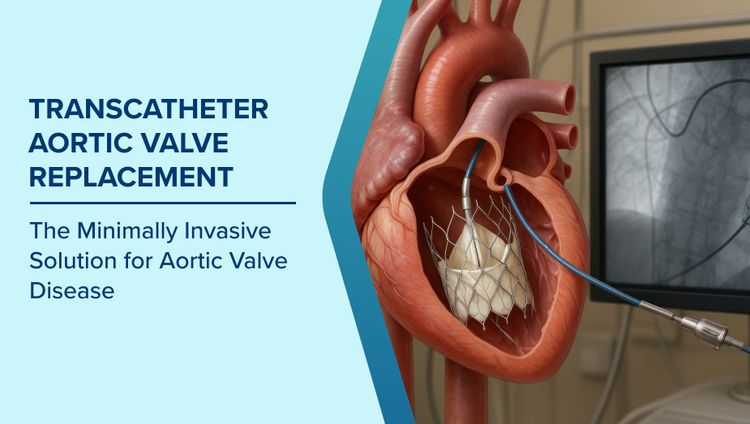
TAVR: The Minimally Invasive Solution for Aortic Valve Disease
Dr. Ambukeshwar Singh In Interventional Cardiology
Oct 01 , 2025 | 3 min read
Most read Blogs


Related Blogs
Blogs by Doctor
Hormones and Heart Health: Oxytocin, Adrenaline, Cortisol & Wellness Tips
Dr. Ambukeshwar Singh In Interventional Cardiology
Aug 27 , 2025 | 2 min read
TAVR: The Minimally Invasive Solution for Aortic Valve Disease
Dr. Ambukeshwar Singh In Interventional Cardiology
Oct 01 , 2025 | 3 min read
Most read Blogs