 WhatsApp Us (24/7)
 +91 926 888 0303 (24/7)


To Book an Appointment
Call Us+91 926 888 0303TAVR: The Minimally Invasive Solution for Aortic Valve Disease
By Dr. Ambukeshwar Singh in Interventional Cardiology
Oct 01 , 2025 | 3 min read

Heart valve problems, especially aortic stenosis, affect millions of people worldwide. Narrowing of the aortic valve restricts blood flow from the heart, causing fatigue, shortness of breath, and in severe cases, heart failure. Traditionally, open-heart surgery was required to replace the damaged valve. However, TAVR (Transcatheter Aortic Valve Replacement) has revolutionised treatment by offering a minimally invasive alternative that provides faster recovery and fewer complications.
Who Can Benefit from TAVR?
TAVR is primarily recommended for patients with severe aortic stenosis. Ideal candidates include:
- Older adults or patients at higher risk during traditional open-heart surgery
- Individuals with other medical conditions, such as diabetes, lung disease, or kidney problems
- Patients experiencing fatigue, shortness of breath, or chest discomfort due to valve issues
By avoiding major surgery, TAVR heart valve replacement offers a safer option for patients who may not be able to tolerate conventional procedures.
How the TAVR Procedure Works
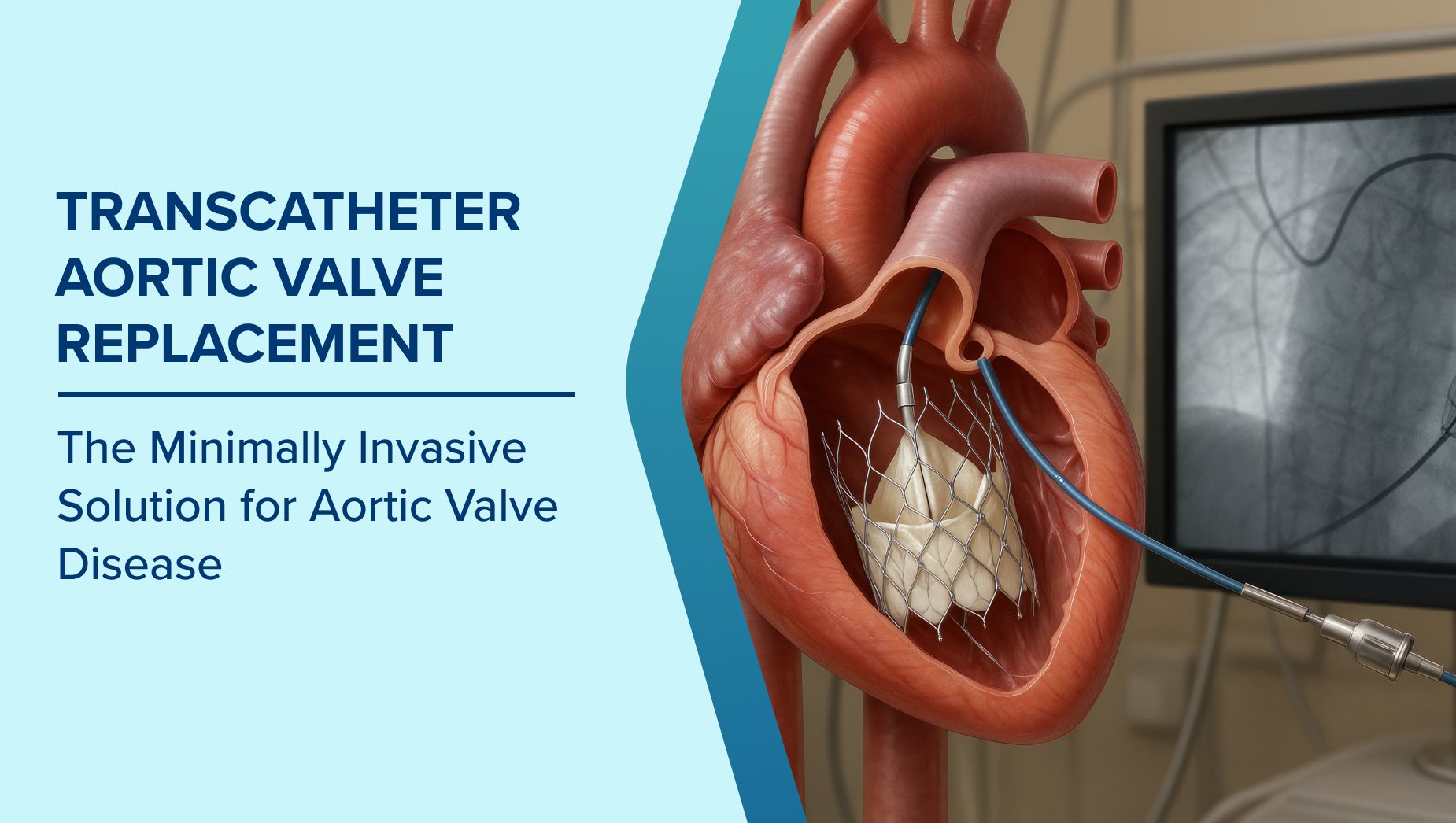
The TAVR procedure replaces a diseased aortic valve without removing it. Here is a step-by-step explanation:
- Access: A thin tube called a catheter is inserted, usually through a blood vessel in the groin.
- Guiding the Valve: A replacement valve, made from animal tissue, is guided through the catheter to the heart.
- Positioning: The new valve is placed inside the old, damaged valve.
- Expansion: The valve is expanded, pushing aside the old leaflets and allowing blood to flow freely.
- Verification: Doctors check that the valve functions correctly.
- Completion: The catheter is removed, and the small incision is closed.
The procedure generally takes 1–2 hours and can be done under local anaesthesia with sedation or general anaesthesia, depending on the patient’s condition.
Benefits of TAVR
Patients choose TAVR for several reasons:
- Minimally invasive: No large chest incision required
- Faster recovery: Most patients leave the hospital within 2–3 days
- Lower risk: Reduced complications for high-risk patients
- Symptom relief: Improved energy, breathing, and overall quality of life
- Suitable for high-risk patients: Many people who cannot undergo traditional surgery can benefit
The quick recovery and improved quality of life make TAVR heart valve replacement an attractive option for many patients.
Risks and Complications
While TAVR is generally safe, it carries potential risks:
- Bleeding at the catheter insertion site
- Irregular heartbeat requiring a pacemaker
- Stroke or heart attack, although rare
- Kidney issues due to the contrast dye used during the procedure
- Valve leakage, which may require additional intervention
TAVR vs Traditional Surgery
TAVR offers several advantages over open-heart surgery:
- Invasiveness: TAVR is performed through a small catheter, while surgery requires opening the chest.
- Recovery time: Patients typically spend 2–3 days in the hospital, compared to 7–10 days after surgery.
- Suitability: TAVR is ideal for older adults or patients with other medical risks.
- Complications: The risk of infection and the need for long-term rehabilitation are lower with TAVR.
For many high-risk patients, TAVR heart valve replacement is now the preferred option.
Recovery and Follow-Up
Recovery after TAVR is generally faster than traditional surgery. Key points include:
- Hospital stay: Usually 2–3 days
- Activity: Gradually increase walking and light exercise
- Medications: Blood thinners or heart medications may be prescribed
- Monitoring: Regular check-ups and echocardiograms to ensure valve function
- Lifestyle adjustments: Maintain a heart-healthy diet, avoid smoking, control blood pressure, and manage cholesterol
Following these steps helps maintain long-term success and improved heart function.
Recent Advances and Trends
Technology is continuously improving TAVR procedures:
- Smaller catheters make the procedure accessible for more patients
- Enhanced valve designs reduce leakage and increase durability
- Robotic-assisted placement allows more precise valve positioning
- Patient success stories show significant improvements in daily life and long-term health
These innovations make minimally invasive heart surgery safer and more effective than ever.
Conclusion
TAVR has transformed aortic stenosis treatment by offering a less invasive, faster-recovery alternative to traditional surgery. Patients experience symptom relief, quicker recovery, and improved quality of life. If you or a loved one has aortic stenosis or related symptoms, consulting a heart specialist can determine if TAVR heart valve replacement is the right option.
Frequently Asked Questions
How long does a TAVR valve last?
Most TAVR valves last 10–15 years, and regular monitoring ensures they function optimally.
Can younger patients undergo TAVR?
While TAVR is mainly recommended for older or high-risk patients, younger patients with specific conditions may be candidates after consultation.
How soon can I resume normal activities after TAVR?
Light activity can usually be resumed within a few days, while full recovery may take several weeks.
Is a pacemaker always needed after TAVR?
Some patients may require a pacemaker if the procedure affects the heart’s electrical system. Your doctor will assess this risk beforehand.
Can TAVR improve quality of life immediately?
Many patients notice improved breathing, energy, and reduced fatigue within days, though full benefits may take a few weeks.
Written and Verified by:

Related Blogs


Blogs by Doctor

Hormones and Heart Health: Oxytocin, Adrenaline, Cortisol & Wellness Tips
Dr. Ambukeshwar Singh In Interventional Cardiology
Aug 27 , 2025 | 2 min read

Silent Heart Attacks: Warning Symptoms You Should Never Ignore
Dr. Ambukeshwar Singh In Interventional Cardiology
Nov 24 , 2025 | 2 min read
Most read Blogs


Related Blogs
Blogs by Doctor
Hormones and Heart Health: Oxytocin, Adrenaline, Cortisol & Wellness Tips
Dr. Ambukeshwar Singh In Interventional Cardiology
Aug 27 , 2025 | 2 min read
Silent Heart Attacks: Warning Symptoms You Should Never Ignore
Dr. Ambukeshwar Singh In Interventional Cardiology
Nov 24 , 2025 | 2 min read
Most read Blogs