 WhatsApp Us (24/7)
 +91 926 888 0303 (24/7)


To Book an Appointment
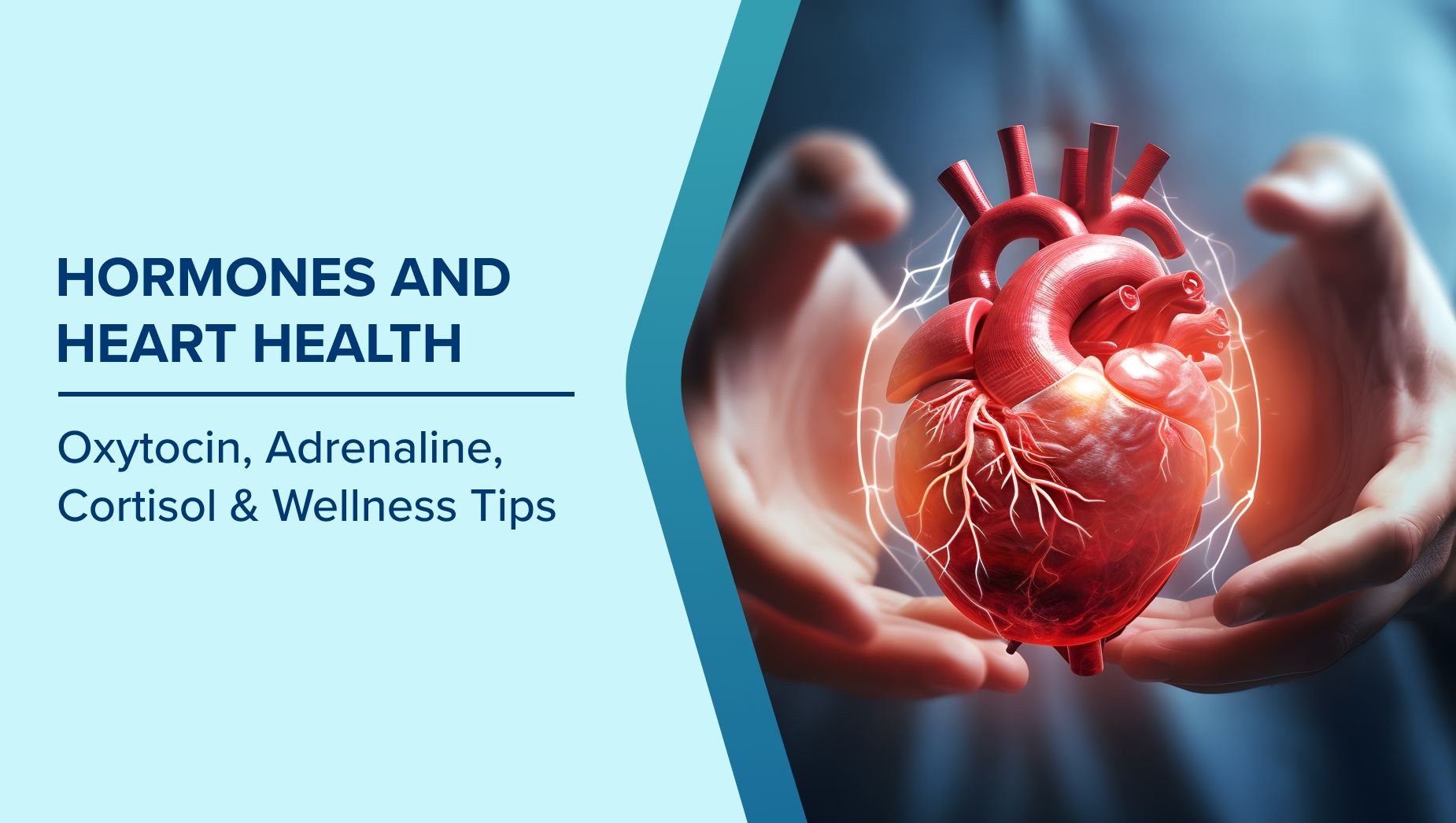
Call Us+91 926 888 0303Hormones and Heart Health: Oxytocin, Adrenaline, Cortisol & Wellness Tips
By Dr. Ambukeshwar Singh in Interventional Cardiology
Aug 27 , 2025 | 2 min read
1

Heart health is influenced by more than diet, exercise, and genetics. Hormones, the body’s chemical messengers, play a critical role in maintaining cardiovascular balance. Among these, oxytocin, adrenaline, and cortisol directly affect how our hearts respond to daily life and stress. Understanding their impact can help us make better decisions to maintain a healthy heart.
The Heart-Hormone Connection
Hormones regulate many body functions, including heart rate, blood pressure, and blood vessel health. When hormone levels are balanced, they support a strong and healthy heart. Imbalances, however, can contribute to high blood pressure, inflammation, and increased risk of heart disease.
Oxytocin: The Heart-Friendly Hormone
Oxytocin, commonly known as the “love hormone,” is released during social connections, physical touch like hugging, and other positive interactions. Oxytocin can reduce stress levels, lower blood pressure, and improve heart rate variability.
Positive effects of oxytocin include:
- Promoting relaxation and calmness
- Enhancing blood vessel health
- Reducing inflammation that can harm the cardiovascular system
To naturally boost oxytocin levels, focus on meaningful social connections, physical touch, acts of kindness, and practices like meditation and mindfulness. These habits support both mental well-being and heart health.
Adrenaline: The Emergency Hormone
Adrenaline, also known as epinephrine, is released during stress or excitement. It prepares the body for quick action by increasing heart rate, blood flow, and energy availability. Short-term adrenaline surges can be helpful during emergencies.
However, frequent or chronic adrenaline spikes may:
- Raise blood pressure consistently
- Increase heart workload
- Contribute to irregular heart rhythms over time
Managing adrenaline involves reducing chronic stress through exercise, deep breathing, and prioritising sleep. Regular physical activity helps your body handle adrenaline surges in a healthy way.
Cortisol: The Stress Hormone
The adrenal glands release cortisol in response to stress. It helps regulate metabolism, immune function, and blood pressure. While short-term cortisol spikes are useful, chronic high cortisol can damage heart health.
Potential negative effects of prolonged cortisol elevation include:
- Increased blood pressure and cholesterol levels
- Higher risk of weight gain, particularly around the abdomen
- Greater likelihood of inflammation, contributing to atherosclerosis
To balance cortisol naturally, maintain a regular sleep schedule, practice relaxation techniques, eat a balanced diet rich in whole foods, and manage stress effectively. Yoga, meditation, and mindful breathing are particularly effective in keeping cortisol levels in check.
Lifestyle Tips to Support Hormone Balance and Heart Health
- Prioritise physical activity: Regular exercise helps regulate adrenaline and cortisol, while boosting oxytocin through group workouts or social sports.
- Build strong social connections: Time with family and friends increases oxytocin, promoting relaxation and cardiovascular benefits.
- Focus on nutrition: Whole foods, omega-3 fatty acids, fruits, and vegetables support hormone balance and heart health.
- Practice stress management: Meditation, deep breathing, and hobbies help reduce cortisol and adrenaline overactivity.
- Sleep well: Adequate sleep supports healthy hormone production, including cortisol regulation.
Conclusion
Hormones like oxytocin, adrenaline, and cortisol have a direct impact on heart health. While oxytocin promotes cardiovascular protection, chronic adrenaline and cortisol spikes can strain the heart. By adopting a lifestyle that prioritises stress management, meaningful connections, and healthy habits, you can maintain hormone balance and support long-term cardiovascular wellness.
Heart health is personal and complex. Consulting healthcare professionals can provide guidance tailored to your hormonal profile and cardiovascular needs. Take proactive steps today for a healthier heart tomorrow.
Written and Verified by:

Related Blogs


Blogs by Doctor
TAVR: The Minimally Invasive Solution for Aortic Valve Disease
Dr. Ambukeshwar Singh In Interventional Cardiology
Oct 01 , 2025 | 3 min read

Silent Heart Attacks: Warning Symptoms You Should Never Ignore
Dr. Ambukeshwar Singh In Interventional Cardiology
Nov 24 , 2025 | 2 min read
Most read Blogs


Related Blogs
Blogs by Doctor
TAVR: The Minimally Invasive Solution for Aortic Valve Disease
Dr. Ambukeshwar Singh In Interventional Cardiology
Oct 01 , 2025 | 3 min read
Silent Heart Attacks: Warning Symptoms You Should Never Ignore
Dr. Ambukeshwar Singh In Interventional Cardiology
Nov 24 , 2025 | 2 min read
Most read Blogs