 WhatsApp Us (24/7)
 +91 926 888 0303 (24/7)


Best Ivf Hospital in Noida
-
 4+ specialist doctors
-
4+ specialist doctors
To Book an Appointment
Call Us+91 926 888 0303Why Choose Max Hospital, Noida for Ivf
People from following locations visit Max Hospital, Noida: Greater Noida, Surajpur, Habibpur, Bisrakh Jalalpur

Filters
Doctors Available

Dr. Sowjanya Aggarwal
Senior Director - Obstetrics, Gynaecology, Infertility & IVF (Laparoscopic And Robotic Surgery)
Infertility & IVF, Obstetrics And Gynaecology, Robotic Surgery, Gynaecologic Laparoscopy
Experience: 21+ Years
Gender: Female
{"FirstAvailable":"2026-06-29 7:00 PM","FirstInHospital":"2026-06-30 10:10 AM","FirstVC":"2026-06-29 7:00 PM","Hospital":{"max-super-speciality-hospital-vaishali":{"FirstAvailable":"2026-06-29 7:00 PM","FirstInHospital":"2026-06-30 10:10 AM","FirstVC":"2026-06-29 7:00 PM"}}}

Dr. Sweta Gupta
Director
Infertility & IVF
Experience: 32+ Years
Gender: Female
Languages Spoken: Hindi, English
{"FirstAvailable":"2026-06-29 6:40 PM","FirstInHospital":"2026-06-30 12:30 PM","FirstVC":"2026-06-29 6:40 PM","Hospital":{"max-super-speciality-hospital-patparganj":{"FirstAvailable":"2026-06-29 6:40 PM","FirstInHospital":"2026-07-01 11:00 AM","FirstVC":"2026-06-29 6:40 PM"},"max-multi-speciality-centre-panchsheel-park":{"FirstAvailable":"2026-06-29 6:45 PM","FirstInHospital":"2026-06-30 12:30 PM","FirstVC":"2026-06-29 6:45 PM"},"max-multi-speciality-centre-noida":{"FirstAvailable":"2026-06-29 6:45 PM","FirstInHospital":"2026-06-30 9:00 AM","FirstVC":"2026-06-29 6:45 PM"},"max-smart-super-speciality-hospital-saket":{"FirstAvailable":"2026-06-29 6:40 PM","FirstInHospital":"2026-07-04 3:00 PM","FirstVC":"2026-06-29 6:40 PM"},"blk-max-super-speciality-hospital-delhi":{"FirstAvailable":"2026-07-06 11:00 AM","FirstInHospital":"2026-07-06 11:00 AM","FirstVC":""}}}

Dr. Shalini Chawla Khanna
Associate Director - PCOS/PCOD, Low AMH, Advanced Hysteroscopy
Infertility & IVF
Experience: 24+ Years
Gender: Female
{"FirstAvailable":"2026-06-30 10:00 AM","FirstInHospital":"2026-06-30 10:00 AM","FirstVC":"2026-06-30 3:00 PM","Hospital":{"max-multi-speciality-centre-panchsheel-park":{"FirstAvailable":"2026-06-30 1:00 PM","FirstInHospital":"2026-06-30 1:00 PM","FirstVC":"2026-06-30 3:00 PM"},"blk-max-super-speciality-hospital-delhi":{"FirstAvailable":"2026-06-30 10:00 AM","FirstInHospital":"2026-06-30 10:00 AM","FirstVC":""},"max-smart-super-speciality-hospital-saket":{"FirstAvailable":"2026-06-30 3:00 PM","FirstInHospital":"2026-06-30 3:00 PM","FirstVC":""},"max-hospital-gurgaon":{"FirstAvailable":"2026-07-01 8:30 AM","FirstInHospital":"2026-07-01 8:30 AM","FirstVC":""},"max-multi-speciality-centre-noida":{"FirstAvailable":"2026-07-03 9:00 AM","FirstInHospital":"2026-07-03 9:00 AM","FirstVC":""}}}

{"FirstAvailable":"2026-06-30 10:00 AM","FirstInHospital":"2026-06-30 10:00 AM","FirstVC":"2026-06-30 4:00 PM","Hospital":{"max-super-speciality-hospital-noida":{"FirstAvailable":"2026-06-30 10:00 AM","FirstInHospital":"2026-06-30 10:00 AM","FirstVC":"2026-06-30 4:00 PM"}}}
Can't find what you are looking for?
What is IVF and How Does It Help?
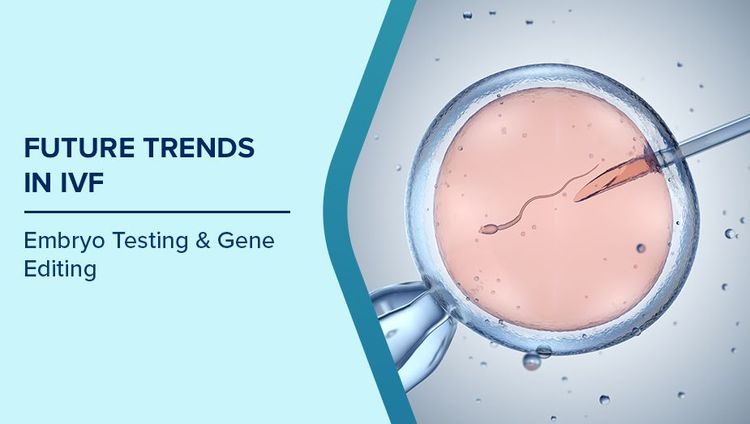
In-vitro fertilisation (IVF) is a specialised fertility treatment in which fertilisation takes place outside the body under carefully controlled laboratory conditions. Eggs retrieved from the ovaries are fertilised with sperm, and the resulting embryo is then placed into the uterus to support the possibility of pregnancy.
IVF is commonly advised when natural conception is difficult due to medical or unexplained reasons. It is widely used to manage conditions such as tubal blockages, ovulatory issues, endometriosis, male infertility, or repeated unsuccessful attempts with other fertility treatments. Over the years, IVF has evolved into a reliable and well-established option, offering many families a realistic chance of achieving pregnancy.
Consult Our IVF Specialists at Max Hospitals, Noida
At Max Hospitals, Noida, IVF care is led by a dedicated team of fertility specialists with extensive experience in managing a wide range of reproductive challenges. Our doctors combine clinical expertise with a compassionate, patient-focused approach, ensuring that individuals and couples feel supported, informed, and confident at every stage of their treatment journey.
You can explore detailed profiles of our IVF specialists on this page, including their qualifications, clinical interests, consultation schedules, and associated fees. To make access to expert care more convenient, video consultations are also available with select specialists, allowing patients to seek guidance and plan treatment with ease.
Understanding the IVF Journey at Max Hospitals, Noida
IVF is not a single procedure but a step-by-step journey that requires careful planning, medical expertise, and emotional support. At Max Hospitals, Noida, the IVF journey is designed to be transparent and well-structured, so patients know what to expect at every stage. From the first consultation to post-treatment follow-up, fertility specialists closely monitor progress and adjust care based on individual responses, ensuring that treatment remains both safe and effective.
Clear communication, realistic expectations, and personalised attention form the foundation of care, helping patients move through each phase with confidence and reassurance.
Evaluation and Preparation Before IVF
Before starting IVF, a detailed fertility assessment is carried out to understand the underlying factors affecting conception. This evaluation typically includes hormonal tests, ultrasound scans, semen analysis, and other relevant investigations. These findings help fertility specialists develop a treatment plan that is tailored to the patient’s age, medical history, and fertility profile.
Preparation also involves counselling on lifestyle factors that may influence IVF outcomes. Patients may be advised on nutrition, weight management, stress reduction, sleep patterns, and avoiding smoking or alcohol. At Max Hospitals, Noida, the focus during this phase is not only medical readiness but also ensuring that patients feel informed, prepared, and emotionally supported before treatment begins.
IVF Procedure
The IVF procedure follows a carefully monitored sequence to maximise the chances of success. It begins with ovarian stimulation, where medications are used to encourage the ovaries to produce multiple eggs. Regular scans and blood tests are conducted during this phase to track egg development and determine the optimal time for retrieval.
Once the eggs are ready, they are collected through a minimally invasive procedure performed under sedation for comfort. The retrieved eggs are then fertilised with sperm in a specialised laboratory, where embryologists monitor embryo development closely. Based on quality and development, the most suitable embryo or embryos are selected and transferred into the uterus through a simple, precise procedure. A pregnancy test is usually performed about two weeks later to assess implantation.
Post-IVF Care and Follow-Up
Care after embryo transfer plays an important role in supporting both physical comfort and emotional well-being. In the days following the procedure, patients are generally advised to continue with normal daily routines while avoiding heavy physical exertion or intense exercise. Prescribed medications, including hormonal support, are carefully managed to help maintain a suitable environment for implantation.
Regular follow-up appointments allow the fertility team to monitor progress, address any concerns, and provide reassurance during this waiting period. A pregnancy test is usually scheduled around two weeks after embryo transfer. If pregnancy is confirmed, early antenatal care begins under close medical supervision. If the outcome is not successful, the team works closely with patients to review findings and discuss future options with sensitivity and clarity.
When Should IVF Be Considered?
IVF is not always the first step in fertility care, but it may be recommended when other treatments have not resulted in success or when medical factors make it the most effective approach. IVF may be considered if:
- Pregnancy has not occurred after a year of regular, unprotected intercourse
- Fallopian tubes are blocked, damaged, or absent
- Sperm count, movement, or quality is significantly reduced
- Ovulation disorders or endometriosis are affecting fertility
- There is unexplained infertility despite normal test results
- Fertility preservation is required before medical treatments
- Age-related decline in fertility is a concern
- Previous fertility treatments have not been successful
Early consultation with a fertility specialist can help identify the most suitable treatment pathway and improve the likelihood of success through timely intervention.
Possible Risks and Considerations of IVF
IVF is widely regarded as a safe and well-established fertility treatment. However, as with any medical intervention, certain risks and considerations exist. These are discussed in detail before treatment begins to ensure patients can make informed decisions.
Possible considerations include ovarian hyperstimulation, which may cause temporary bloating or discomfort, and the chance of multiple pregnancy depending on the number of embryos transferred. Some patients may experience mild side effects such as fatigue, mood changes, or abdominal discomfort related to hormonal medications. Rarely, minor complications may occur during egg retrieval procedures.
At Max Hospitals, Noida, careful monitoring, individualised treatment protocols, and experienced medical supervision help minimise risks and prioritise patient safety at every stage.
Review
Reviewed by Dr Soma Singh, Associate Director - IVF & Infertility. on 17 March 2026.

Frequently Asked Questions
What is the usual duration of an IVF treatment cycle?
An IVF cycle generally spans about four to six weeks, beginning with hormonal stimulation and ending with a pregnancy test. The exact timeline may differ based on individual medical factors and how the body responds to treatment.
Is the IVF procedure associated with pain or discomfort?
IVF is typically well tolerated. Some stages, such as egg retrieval, may cause mild discomfort, but this is usually managed with sedation or anaesthesia to ensure patient comfort.
Is it possible to undergo IVF using my own eggs and sperm?
Yes. In most cases, IVF is performed using the patient’s own eggs and sperm. Donor eggs or sperm are considered only when medically advised or when they improve the chances of success.
How many IVF attempts are usually required to achieve pregnancy?
The number of cycles needed varies from person to person. Factors such as age, egg quality, sperm health, and overall reproductive health influence outcomes. Some patients conceive in the first cycle, while others may require more than one attempt.
Is there an age limit for IVF treatment?
IVF can be considered at different ages. While success rates tend to be higher in younger women, many individuals above the age of 35 also achieve successful pregnancies with appropriate medical guidance.
Does IVF increase the likelihood of multiple pregnancies?
IVF can increase the chances of twins or multiple pregnancies, depending on the number of embryos transferred. Fertility specialists carefully plan embryo transfer to prioritise safety and healthy outcomes.
Can lifestyle habits affect IVF success?
Yes. Factors such as maintaining a healthy body weight, managing stress, avoiding smoking or alcohol, following a balanced diet, and ensuring adequate rest can positively support IVF outcomes.
Can IVF be considered by single individuals or same-sex couples?
IVF can be adapted to meet the needs of single parents and same-sex couples, using donor eggs, sperm, or surrogacy where appropriate, in line with prevailing legal and medical guidelines.
Is strict bed rest required after embryo transfer?
Complete bed rest is usually not necessary. Most patients can return to routine activities shortly after the procedure, although strenuous exercise and high-stress activities should be avoided for a short period.
What are the next steps if an IVF cycle is unsuccessful?
If pregnancy does not occur, the fertility specialist reviews the treatment cycle in detail, discusses possible reasons, and recommends adjustments or future options in a supportive and transparent manner.
Are there any long-term health concerns linked to IVF?
The majority of patients do not experience long-term health issues following IVF. Ongoing monitoring and regular follow-ups help ensure safety throughout and after treatment.
Can eggs or embryos be stored for future use?
Yes. IVF allows for cryopreservation of eggs or embryos, giving patients the option to plan pregnancy at a later stage if needed.
Is IVF an option after miscarriage or pregnancy loss?
IVF may be recommended after previous pregnancy loss, especially when additional medical evaluation and targeted support can help address underlying causes.
How soon can another IVF cycle be started if the first does not succeed?
The timing of a subsequent cycle depends on physical recovery and medical advice. Many patients are able to begin another cycle after one or two natural menstrual cycles, as guided by their doctor.