 WhatsApp Us (24/7)
 +91 926 888 0303 (24/7)


To Book an Appointment
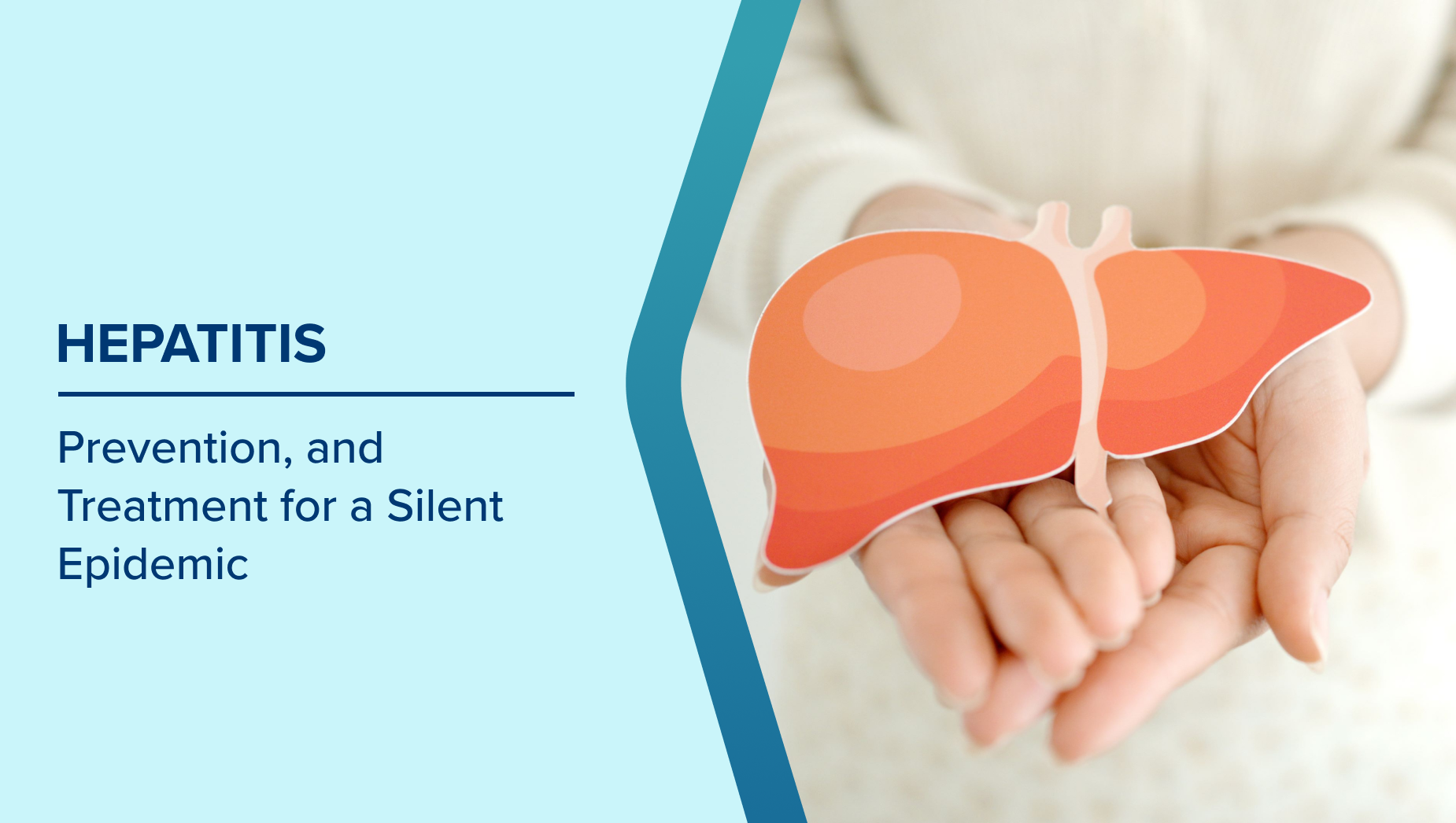
Call Us+91 926 888 0303Hepatitis: Prevention, and Treatment for a Silent Epidemic
By Dr. Vipul Gautam in Paediatrics (Ped) , Paediatric (Ped) Gastroenterology , Gastroenterology, Hepatology & Endoscopy , Liver Transplant and Biliary Sciences
Aug 25 , 2025 | 2 min read

Hepatitis, which means inflammation of the liver, remains one of the most under-recognised public health challenges of our time. Millions of people worldwide, including in India, are living with chronic hepatitis B or C without knowing it. By the time they are diagnosed, the disease has often already caused significant liver damage.
This silent nature of the disease makes hepatitis a serious concern, as delayed diagnosis can lead to life-threatening complications such as cirrhosis, liver failure, and liver cancer. However, the good news is that hepatitis is both preventable and treatable when identified early.
Why Hepatitis Deserves Attention
The liver is one of the most important organs in the body, performing over 500 functions. It processes nutrients from food, detoxifies harmful substances, stores energy, and supports the immune system. When the liver is inflamed due to hepatitis, these vital functions are disrupted.
There are five main types of viral hepatitis – A, B, C, D, and E. Hepatitis A and E are usually short-term and often caused by consuming contaminated food or water. On the other hand, hepatitis B and C are more serious. These infections can remain undetected for years or even decades, quietly damaging the liver until advanced complications set in.
The Hidden Burden of Hepatitis in India
In India, the scale of hepatitis is alarming. It is estimated that over 40 million people live with chronic hepatitis B and another 6 to 12 million with hepatitis C.
These infections are commonly spread through:
- Unsafe injections
- Unsterile surgical or dental procedures
- Transfusion of unscreened blood
- Mother-to-child transmission during childbirth
- Unprotected sex
- Sharing razors or toothbrushes
What makes hepatitis particularly dangerous is its silent progression. Many infected individuals do not experience any noticeable symptoms until the liver is already scarred or failing.
Prevention and Treatment Options
Despite its serious consequences, hepatitis is preventable and manageable with proper care.
Hepatitis B
A safe and effective vaccine exists for hepatitis B. It is part of India’s routine immunisation schedule for children, but many adults remain unvaccinated. Vaccinating at-risk adults and ensuring timely birth doses for newborns are key steps in reducing new infections.
Hepatitis C
Unlike hepatitis B, there is no vaccine for hepatitis C. However, medical advancements now allow it to be cured in most cases with simple oral medications taken for two to three months.
Managing Chronic Hepatitis B
Although hepatitis B cannot be completely cured, antiviral treatments can effectively control the infection, significantly reducing the risk of liver complications.
Breaking Barriers to Better Care
If hepatitis is preventable and treatable, why does it still cause so much harm? The answer lies in barriers such as:
- Lack of awareness about testing and vaccination
- Financial obstacles limiting access to treatment
- Social stigma that discourages people from seeking help
- Limited availability of services in rural or underserved areas
To overcome these challenges, hepatitis care needs to be simplified, affordable, and integrated into regular healthcare services such as maternal care, immunisation programs, dialysis units, and addiction treatment centres.
What Can Be Done?
- For individuals: Get tested, ensure vaccination for yourself and your family, avoid unnecessary injections, and practice safe health habits.
- For healthcare providers: Screen high-risk populations proactively and provide simplified treatment pathways.
- For policymakers: Fund and expand hepatitis care programs, especially in underserved regions.
Conclusion
Hepatitis may be silent, but the steps to fight it are loud and clear. Vaccination, early testing, and timely treatment can save countless lives. The liver works tirelessly for us every day, and protecting it should be a priority for everyone.
By breaking down barriers to awareness, testing, and care, we can reduce the burden of hepatitis and move closer to a healthier, hepatitis-free future.
Written and Verified by:

Related Blogs

Dr. Nidhi Rawal In Paediatrics (Ped)
Nov 13 , 2020 | 2 min read

Blogs by Doctor

Most read Blogs


Related Blogs
Dr. Nidhi Rawal In Paediatrics (Ped)
Nov 13 , 2020 | 2 min read
Blogs by Doctor
Most read Blogs