 WhatsApp Us (24/7)
 +91 926 888 0303 (24/7)



To Book an Appointment
Call Us+91 926 888 0303Liver Health: Preventing NAFLD, NASH, and Liver Disease
By Dr. Vipul Gautam in Paediatric (Ped) Gastroenterology , Gastroenterology, Hepatology & Endoscopy , Liver Transplant and Biliary Sciences
Jan 06 , 2026 | 2 min read
2

The liver is one of the most important and hardworking organs in the human body. Despite this, it is often overlooked when we talk about health. While conditions like heart disease, high blood pressure, diabetes, and kidney problems frequently take centre stage, the liver quietly performs over 500 critical functions that are vital for survival. It plays a central role in digestion, metabolism, detoxification, immune defence, and storage of vitamins and minerals. Yet, awareness about liver health remains limited.
In today’s fast-paced world, changing dietary patterns, rising obesity rates, and increasing alcohol consumption are placing an enormous burden on liver health. One of the most common liver conditions seen today is non-alcoholic fatty liver disease (NAFLD), which occurs due to fat accumulation in the liver unrelated to alcohol use. This is closely associated with unhealthy diets, sedentary lifestyles, and obesity. Over time, NAFLD can progress to a more severe form called non-alcoholic steatohepatitis (NASH), eventually leading to cirrhosis and liver failure. On the other hand, alcoholic liver disease is caused by excessive alcohol consumption, which damages liver cells and causes inflammation and scarring. Both these conditions are major causes of chronic liver disease and can eventually require a liver transplant if not addressed early.
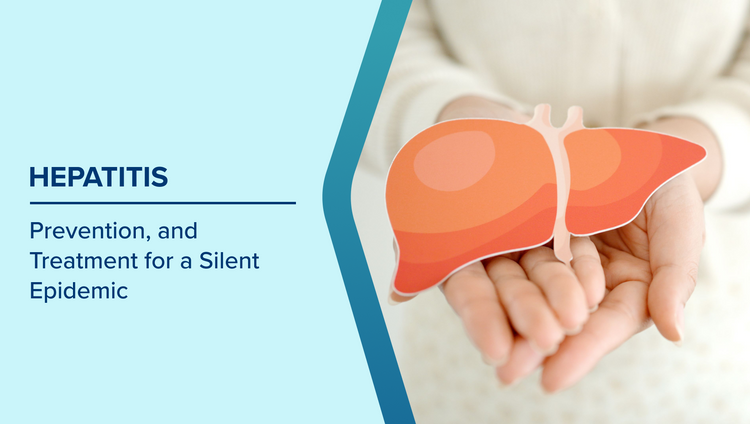
Apart from lifestyle-related causes, viral infections like hepatitis A, B, C, and E are also significant contributors to liver disease. Hepatitis A and E are typically transmitted through contaminated food and water, leading to short-term liver infections. On the other hand, Hepatitis B and C are more serious, as they can result in long-term liver damage, cirrhosis, and potentially liver cancer if not properly treated. Fortunately, vaccines are available for hepatitis A and B, offering effective protection however the majority of people ignore them. Antiviral treatments for hepatitis B and C are also available and can prevent the progression of the disease if started in time.
The positive aspect is that most liver diseases can be prevented through simple lifestyle changes and public health measures. Maintaining a balanced diet that is low in processed foods, sugar, and saturated fats, along with regular physical activity, can significantly reduce the risk of fatty liver. Avoiding or minimizing alcohol consumption is another crucial step in protecting liver health. Staying within a healthy weight range and managing conditions like diabetes and high cholesterol are equally important. It is also essential to get vaccinated against hepatitis A and B. Regular health check-ups and timely screening for hepatitis B and C, particularly in individuals with risk factors, can allow for early treatment and avoid long-term complications.
Unfortunately, liver disease often progresses silently, showing symptoms only when significant damage has occurred. This makes awareness and prevention all the more important. If more people understood the importance of liver health and took steps to protect it, many cases of liver failure and the need for transplantation could be avoided. By taking responsibility for our lifestyle choices and seeking timely medical care, we can ensure a healthy liver and a healthier life overall.
Written and Verified by:

Related Blogs

Dr. Pankaj Vohra In Paediatric (Ped) Gastroenterology
Aug 21 , 2014 | 2 min read
Blogs by Doctor
Most read Blogs


Related Blogs
Dr. Pankaj Vohra In Paediatric (Ped) Gastroenterology
Aug 21 , 2014 | 2 min read
Blogs by Doctor
Most read Blogs