 WhatsApp Us (24/7)
 +91 926 888 0303 (24/7)


To Book an Appointment
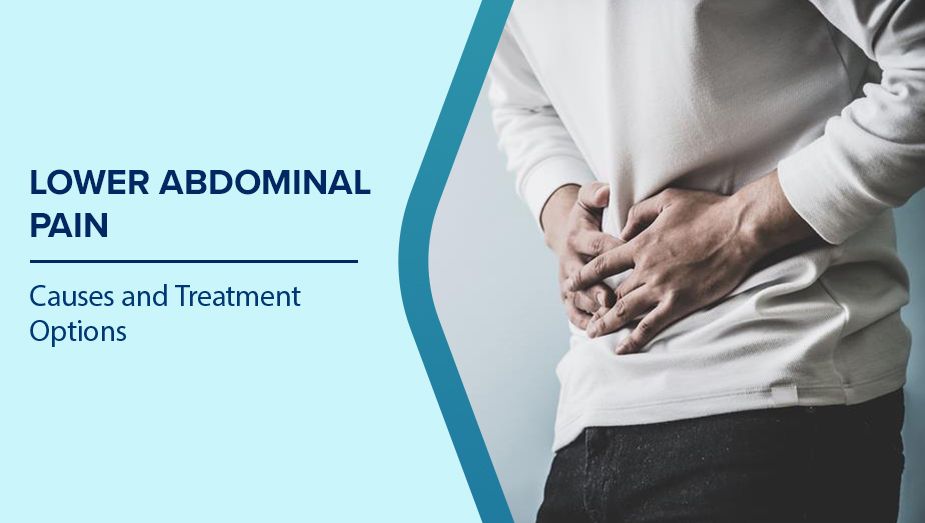
Call Us+91 926 888 0303Lower Abdominal Pain: Causes and Treatment Options
By Dr. Saurabh Patle in Gastroenterology, Hepatology & Endoscopy
Jan 06 , 2026 | 11 min read
11

Pain in the lower part of the abdomen can arise from a wide range of causes. This area contains several organs associated with the digestive, urinary, and reproductive systems, which makes it difficult to pinpoint the source when discomfort occurs. Some causes, such as gas or mild constipation, tend to settle on their own with rest or simple remedies. Others, including infections or underlying conditions specific to the organ, may require medical attention, particularly when the pain is persistent or linked to other symptoms. To help you understand this better, this blog outlines the possible causes of lower abdominal pain and the treatment options that may be recommended depending on the diagnosis. Let’s dive in.
What are the Causes of Lower Abdominal Pain?
Lower abdominal pain can result from a variety of conditions affecting organs within the digestive, urinary, or reproductive systems. Below are some of the more common causes, grouped according to the body systems they affect:
Digestive System-Related Causes
- Constipation: When bowel movements become infrequent or difficult, pressure can build up in the intestines, leading to cramping or a dull ache in the lower abdomen. The discomfort often improves once the bowel is cleared.
- Gas and bloating: Excess gas in the intestines can cause sudden, sharp pains or a feeling of tightness. This may be triggered by certain foods, eating habits, or underlying digestive conditions.
- Irritable bowel syndrome (IBS): A functional bowel disorder marked by recurring abdominal pain, often relieved by passing stool. It is frequently associated with bloating, diarrhoea, or constipation, and may worsen during stress.
- Gastroenteritis: Inflammation or infection of the stomach and intestines can cause lower abdominal pain, diarrhoea, vomiting, and sometimes fever. Viral infections are the most common cause.
- Appendicitis: Inflammation of the appendix typically starts with pain around the navel and shifts to the lower right side of the abdomen. It may worsen over time and is usually accompanied by nausea, fever, and loss of appetite. Prompt treatment is essential to avoid complications.
Urinary System-Related Causes
- Urinary tract infection (UTI): Bacterial infection in the urinary system can lead to pain or pressure in the lower abdomen, a burning sensation during urination, increased urgency, and cloudy or foul-smelling urine.
- Bladder infection (cystitis): A specific type of UTI that affects the bladder. Pain is usually felt in the pelvic region and may be accompanied by a frequent need to urinate.
- Kidney stones: Hard deposits of minerals can form in the kidneys and pass into the urinary tract, causing intense, sharp pain that may radiate from the back to the lower abdomen and groin. Nausea, vomiting, and blood in the urine may also occur.
Reproductive System-Related Causes (in Females)
- Menstrual cramps (dysmenorrhoea): Painful contractions of the uterus can lead to cramping discomfort in the lower abdomen, typically before or during menstruation.
- Ovarian cysts: Fluid-filled sacs that develop on or in the ovary may cause pain on one side of the lower abdomen. Larger cysts or those that rupture or bleed inside can lead to more significant discomfort.
- Endometriosis: A condition where tissue similar to the lining of the uterus grows outside the uterus. It can cause ongoing pelvic pain, particularly during menstruation or intercourse.
- Pelvic inflammatory disease (PID): An infection of the female reproductive organs, often caused by sexually transmitted bacteria. It may lead to persistent lower abdominal pain, abnormal discharge, fever, or pain during intercourse.
- Ectopic pregnancy: A medical emergency where a fertilised egg implants outside the uterus, often in a fallopian tube. Symptoms include sharp or stabbing lower abdominal pain, vaginal bleeding, and dizziness.
Reproductive System-Related Causes (in Males)
- Testicular torsion: A sudden twisting of the spermatic cord can cut off blood supply to the testicle. Though the pain usually begins in the scrotum, it can radiate to the lower abdomen. This is a surgical emergency.
- Prostatitis: Inflammation of the prostate gland may cause dull or aching pain in the lower abdomen, pelvis, or perineum. It may also result in urinary symptoms such as difficulty urinating or a weak stream.
Other Possible Causes
- Hernias: Occur when a part of an organ or tissue pushes through a weak spot in the abdominal muscles. Pain often worsens with lifting, coughing, or straining and may be accompanied by a visible bulge.
- Abdominal muscle strain: Overuse or sudden movement can lead to soreness or pain in the lower abdominal wall, especially during physical activity.
- Post-surgical adhesions: Internal scar tissue from previous surgeries may cause organs to stick together, leading to pain or even bowel obstruction in some cases.
- Inflammatory conditions: Diseases such as Crohn’s disease or ulcerative colitis can affect the lower gastrointestinal tract and lead to ongoing pain, diarrhoea, and weight loss.
How is the Cause of Lower Abdominal Pain Diagnosed?
Diagnosing the cause of lower abdominal pain involves a structured clinical approach. Because many conditions can present with similar symptoms, a combination of medical history, physical examination, laboratory investigations, and imaging is often required.
Clinical History
The diagnostic process typically begins with a detailed medical history. The healthcare provider asks questions to understand the onset, location, and nature of the pain. Additional information is gathered about its duration, frequency, and any factors that make it better or worse. Details about associated symptoms such as fever, vomiting, changes in bowel movements, painful urination, or unusual bleeding may help narrow down the possibilities. In females, menstrual history, contraceptive use, and pregnancy status are also considered relevant.
Physical Examination
A thorough physical examination helps assess the location and severity of tenderness, the presence of swelling or guarding, and any signs of infection such as fever or low blood pressure. The healthcare provider may also check for palpable masses or bulges, particularly in cases where a hernia is suspected. Depending on the symptoms, a pelvic or rectal examination may be performed to examine the reproductive or gastrointestinal organs more closely.
Laboratory Tests
Blood and urine tests are often carried out to support the clinical findings. These may include:
- Complete blood count (CBC): May show a raised white cell count, suggesting infection or inflammation
- Urine analysis (Urinalysis): Can help detect urinary tract infections, blood, or crystals linked to kidney stones
- Pregnancy test (in females): Used to confirm or exclude pregnancy-related conditions such as ectopic pregnancy
- Stool tests: May be useful when diarrhoea, gastrointestinal infection, or bleeding is suspected
Imaging Studies
When the diagnosis remains uncertain after examination and lab tests, imaging studies are used to get a clearer view of internal structures. The choice of imaging depends on the suspected cause.
- Ultrasound: Commonly used to evaluate the appendix, ovaries, uterus, bladder, or kidneys. It is non-invasive and widely accessible
- CT scan: Offers detailed cross-sectional images and is useful for diagnosing appendicitis, diverticulitis, kidney stones, or bowel obstruction
- X-ray: May help identify intestinal blockage or the presence of air outside the bowel
- MRI: Occasionally used to assess soft tissue abnormalities or pelvic conditions when more detail is required
Additional Diagnostic Procedures
In cases where standard tests do not provide a clear diagnosis, further procedures may be considered. These may include:
- Endoscopy or colonoscopy: To examine the upper or lower gastrointestinal tract directly
- Laparoscopy: A minimally invasive surgical procedure that allows direct visual inspection of abdominal organs and may also be used to treat certain conditions
How is Lower Abdominal Pain Treated?
Treatment for lower abdominal pain is based on the underlying cause. Management may range from simple home-based care for minor, short-lived discomfort to hospital-based treatment for more serious or persistent conditions.
At-Home Care
In cases where the pain is mild, infrequent, and not associated with warning signs such as fever, vomiting, or bleeding, home care may be sufficient. This approach is commonly suitable for issues such as gas, bloating, indigestion, or temporary constipation. Recommended measures may include:
- Adjusting dietary habits, such as avoiding excessive intake of fried, spicy, or gas-producing foods.
- Increasing fibre through fruits, vegetables, or whole grains to relieve constipation
- Drinking sufficient fluids to support digestion and bowel function
- Applying a warm compress or heating pad to the lower abdomen to ease cramping
- Taking rest and avoiding physical exertion that may worsen abdominal strain
These interventions are generally safe for short-term use. However, persistent or recurring symptoms should be medically reviewed.
Medications
When abdominal pain is linked to a specific diagnosis, medical treatment is tailored accordingly. Medications may be used to relieve symptoms or treat the root cause of the condition.
- Antibiotics are prescribed for infections such as urinary tract infections, pelvic inflammatory disease, or bacterial gastroenteritis.
- Antispasmodics may help relax smooth muscles in the bowel or bladder, particularly in conditions such as irritable bowel syndrome or urinary cramps.
- Pain relievers are commonly used to manage discomfort. Non-steroidal anti-inflammatory drugs (NSAIDs) may be used cautiously in selected cases but are generally avoided in those with gastrointestinal issues.
- Hormonal therapy may be considered in conditions such as endometriosis or ovarian cysts where symptoms are influenced by the menstrual cycle.
- Proton pump inhibitors or antacids might be prescribed in upper gastrointestinal conditions that cause referred lower abdominal pain.
All medications are selected based on clinical judgment, response to initial treatment, and any existing medical conditions.
Surgical Management
Surgery may be required when the pain is due to structural abnormalities, organ damage, or conditions that carry a risk of serious complications. Common surgical indications include:
- Appendicitis: Requires urgent surgical removal of the appendix to prevent rupture or abscess formation
- Ectopic pregnancy: A life-threatening condition that must be managed surgically to avoid internal bleeding
- Large or symptomatic ovarian cysts: May be removed surgically, especially if they are at risk of rupture or causing torsion
- Hernias: Surgical repair is recommended to prevent obstruction or strangulation of the affected tissue
- Bowel obstruction or perforation: Emergency surgery is necessary to relieve the blockage or close any perforation in the intestine
In many cases, laparoscopic (minimally invasive) procedures are preferred, allowing for quicker recovery and smaller incisions. However, open surgery may be required in more complex situations.
How to Prevent Abdominal Pain?
Not all cases of lower abdominal pain can be prevented, especially those caused by infections, anatomical abnormalities, or underlying medical conditions. However, several lifestyle habits and health precautions may reduce the risk of developing abdominal discomfort. These include:
1. Maintain a Balanced Diet
A diet rich in fibre, fruits, vegetables, and whole grains supports regular bowel movements and helps prevent constipation, one of the most common causes of lower abdominal discomfort. Limiting intake of fatty, fried, processed, or gas-producing foods can reduce bloating and cramping. Staying hydrated also supports digestion and prevents hard stools.
2. Practise Safe Food and Water Habits
To avoid infections that cause abdominal pain, such as gastroenteritis or food poisoning, proper hygiene and food handling are essential. Washing fruits and vegetables thoroughly, cooking meat properly, and avoiding unfiltered or unsafe water can lower the risk of digestive tract infections.
3. Adopt Healthy Bowel and Bladder Habits
Delaying bowel movements or urination can lead to constipation or increase the risk of urinary tract infections. Using the toilet as soon as the urge arises and avoiding prolonged holding of urine can help maintain lower abdominal and pelvic health. Regular toilet routines and good personal hygiene are also important, particularly in children and older adults.
4. Monitor Menstrual Health and Gynaecological Symptoms
In females, recognising patterns in menstrual pain, abnormal bleeding, or discomfort during periods or intercourse may help identify early signs of gynaecological issues. Conditions such as endometriosis or ovarian cysts are often easier to manage when detected early. Regular gynaecological check-ups are recommended.
5. Prevent Urinary Tract Infections
Maintaining adequate hydration, urinating after sexual activity, and wiping from front to back (in females) can help reduce the risk of urinary tract infections. Early treatment of mild urinary symptoms also helps prevent complications that may result in lower abdominal pain.
6. Avoid Strain and Physical Overexertion
Lifting heavy objects incorrectly or engaging in intense physical activity without proper conditioning may lead to muscle strain or even hernia formation. Practising safe lifting techniques and using support when necessary can reduce strain on abdominal muscles.
7. Seek Timely Medical Advice
Recurring, persistent, or unexplained abdominal pain should not be ignored. Early evaluation allows for appropriate management and helps prevent complications. This is particularly important for conditions like appendicitis, ectopic pregnancy, or infections that can worsen quickly without treatment.
When is Lower Abdominal Pain a Sign of Something Serious?
Lower abdominal pain is not always a cause for concern, but there are certain warning signs that may suggest a more serious underlying condition. Seek medical attention if the pain is accompanied by any of the following:
- Sudden and severe pain: Intense pain that begins abruptly may be linked to conditions such as appendicitis, kidney stones, ovarian torsion, or ectopic pregnancy.
- Fever or chills: A high temperature along with abdominal discomfort may indicate infections such as a urinary tract infection, pelvic inflammatory disease, or an abdominal abscess.
- Persistent nausea or vomiting: Repeated vomiting, especially if food or fluids cannot be kept down, may point to intestinal blockage, infection, or inflammation.
- Changes in bowel habits: Bloody stools, prolonged diarrhoea, or an absence of bowel movements with abdominal swelling may suggest infection, bowel obstruction, or inflammatory bowel disease.
- Unusual vaginal bleeding or discharge (in females): Heavy bleeding, bleeding between periods, or abnormal discharge combined with pain may be linked to gynaecological conditions that require prompt evaluation.
- Painful or frequent urination: Discomfort during urination, urgency, or blood in the urine with lower abdominal pain may signal a urinary tract or kidney-related issue.
- Pain that returns or gradually worsens: This may indicate chronic conditions such as irritable bowel syndrome, endometriosis, or prostatitis.
- Pain following recent injury or surgery: New or worsening pain after abdominal trauma or surgery may indicate complications such as internal bleeding, hernia, or adhesions.
Any abdominal pain that disrupts daily activities, intensifies over time, or is associated with additional symptoms should be assessed by a medical professional.
Consult Today
Persistent or unexplained lower abdominal pain should never be ignored, especially when it begins to interfere with daily routines or raises concern about the underlying cause. At Max Hospital, specialists in gastroenterology, urology, and gynaecology work together to evaluate abdominal pain with careful attention to both the symptoms and the underlying cause. Book an appointment with a specialist at Max Hospital to better understand what is causing the pain and explore the treatment options available.
Written and Verified by:

Related Blogs

Dr. Nivedita Pandey In Gastroenterology, Hepatology & Endoscopy , Liver Transplant and Biliary Sciences
Nov 07 , 2020 | 2 min read
Dr. Nivedita Pandey In Gastroenterology, Hepatology & Endoscopy , Liver Transplant and Biliary Sciences
Nov 07 , 2020 | 2 min read
Blogs by Doctor
Ascites Explained: Causes, Symptoms, and Treatment Methods
Dr. Saurabh Patle In Gastroenterology, Hepatology & Endoscopy
Aug 01 , 2025 | 12 min read
Most read Blogs


Related Blogs
Dr. Nivedita Pandey In Gastroenterology, Hepatology & Endoscopy , Liver Transplant and Biliary Sciences
Nov 07 , 2020 | 2 min read
Dr. Nivedita Pandey In Gastroenterology, Hepatology & Endoscopy , Liver Transplant and Biliary Sciences
Nov 07 , 2020 | 2 min read
Blogs by Doctor
Ascites Explained: Causes, Symptoms, and Treatment Methods
Dr. Saurabh Patle In Gastroenterology, Hepatology & Endoscopy
Aug 01 , 2025 | 12 min read
Most read Blogs