 WhatsApp Us (24/7)
 +91 926 888 0303 (24/7)


To Book an Appointment
Call Us+91 926 888 0303Why Smog Harms Children's Lungs More: Effects and Steps
By Dr. Kamran Ali in Lung Transplant , Thoracic Surgery
Jan 12 , 2026

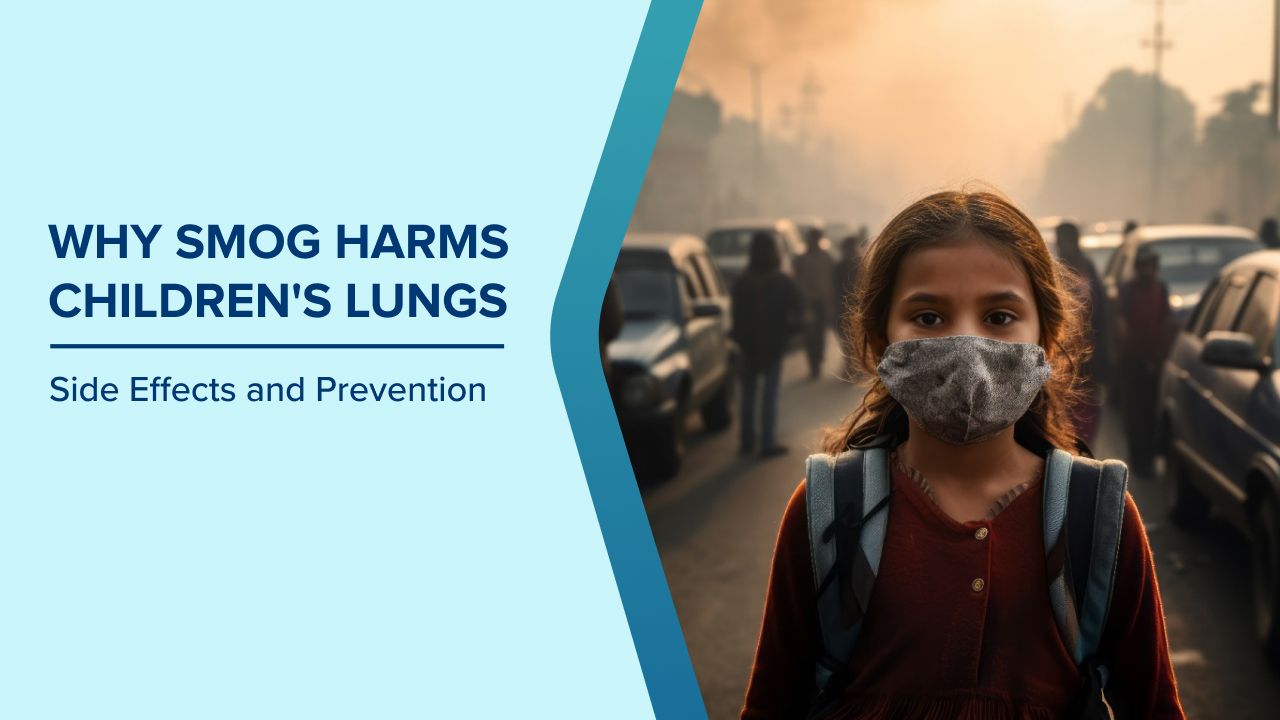
Air pollution has become an unavoidable part of life in many cities. During periods of heavy smog, breathing itself can feel uncomfortable. While poor air quality affects everyone, children are far more vulnerable than adults. Their lungs, immune systems, and breathing patterns make them particularly sensitive to polluted air, leading to both immediate symptoms and long-term health concerns.
Understanding Smog and What It Contains
Smog is a form of air pollution that develops when emissions from vehicles, industries, construction, and burning fuels mix with weather conditions such as low wind and temperature changes. It creates a visible haze and contains a mixture of harmful substances.
Common Components Found in Smog
Smog is not a single pollutant. It is a combination of several irritants, including:
- Fine particulate matter that can be inhaled deep into the lungs
- Gases released from vehicle exhaust
- Smoke particles from burning waste or fuels
- Chemical residues from industrial activity
These pollutants irritate the airways and interfere with normal lung function, especially in children.
How Children’s Lungs Develop Differently From Adults
Children are not simply smaller adults. Their lungs and airways are still developing, which makes them more sensitive to environmental triggers.
Ongoing Lung Growth
Lung development continues from early childhood through adolescence. During this time:
- Air sacs are still forming and expanding
- Airways are narrower than in adults
- Lung tissue is more delicate
Exposure to polluted air during these years can interfere with normal growth and reduce lung capacity over time.
Why Children Breathe in More Polluted Air
Children breathe differently compared to adults, which increases their exposure to smog.
Higher Breathing Rate
Children breathe faster than adults, meaning they inhale more air per kilogram of body weight. When the air is polluted, this leads to:
- Higher intake of harmful particles
- Greater irritation of the airways
- Increased strain on the lungs
Even short periods outdoors during heavy smog can result in significant exposure.
Smaller Airways Increase the Impact of Pollution
Children’s airways are naturally narrower. This anatomical difference plays a major role in how smog affects them.
Effect of Airway Narrowing
When pollution causes inflammation:
- Small airways swell more easily
- Mucus builds up faster
- Airflow becomes restricted sooner
This explains why children may develop coughing, wheezing, or breathing difficulty faster than adults during smoggy days.
Immature Immune Defences in Children
A child’s immune system is still learning how to respond to environmental threats. Smog places an extra burden on this developing system.
Reduced Ability to Fight Irritation
Polluted air can overwhelm natural defence mechanisms, leading to:
- Increased airway inflammation
- Reduced ability to clear inhaled particles
- Higher susceptibility to infections
Adults generally have stronger protective responses, allowing them to tolerate short-term exposure better.
Children Spend More Time Outdoors
Lifestyle patterns also contribute to higher exposure.
Outdoor Play and School Activities
Children often:
- Play outside for longer periods
- Engage in physical activity that increases breathing depth
- Travel to school during peak traffic hours
These activities increase the volume of polluted air entering their lungs compared to adults who may spend more time indoors.
Impact of Smog on Children With Existing Respiratory Conditions
Children with pre-existing respiratory issues are particularly affected during smog episodes.
Higher Risk Groups
Smog can worsen symptoms in children who have:
- Asthma
- Recurrent chest infections
- Allergic airway conditions
Pollution exposure may trigger flare-ups, increase medication needs, and disrupt daily routines.
Short-Term Effects of Smog on Children’s Lungs
Even brief exposure to polluted air can cause noticeable symptoms in children.
Common Early Symptoms
- Persistent coughing
- Throat irritation
- Chest tightness
- Shortness of breath during activity
- Fatigue or reduced stamina
These symptoms often appear faster and more intensely in children than in adults.
Long-Term Impact of Repeated Smog Exposure
Repeated exposure during childhood can have lasting consequences.
Potential Long-Term Concerns
- Reduced lung growth
- Lower lung function in adulthood
- Increased risk of chronic breathing problems
- Greater sensitivity to respiratory irritants later in life
Protecting children during high pollution periods is therefore essential for lifelong respiratory health.
Why Adults Cope Better With Smog Than Children
Adults have fully developed lungs and more stable immune responses.
Protective Factors in Adults
- Larger airway size
- Slower breathing rates
- Mature immune systems
- Better awareness of symptoms
These factors allow adults to tolerate pollution better, although prolonged exposure is still harmful.
Indoor Air Quality Matters During Smog
Staying indoors does not always guarantee safety.
How Smog Affects Indoor Air
Polluted outdoor air can enter homes through:
- Open windows and doors
- Poorly sealed ventilation systems
- Gaps around doors and windows
Indoor air quality management becomes especially important during smoggy days.
Practical Steps to Protect Children During Smog
Parents and caregivers can take simple but effective steps to reduce exposure.
Helpful Protective Measures
- Limit outdoor activities during peak pollution hours
- Keep windows closed when outdoor air quality is poor
- Encourage indoor play during smog alerts
- Ensure children stay well hydrated
- Maintain clean indoor spaces to reduce dust and allergens
Consistency in these measures can significantly lower inhaled pollutants.
Recognising When Medical Advice Is Needed
Some symptoms should not be ignored during smog exposure.
When to Seek Medical Guidance
- Persistent coughing that does not improve
- Breathing difficulty at rest
- Wheezing or chest tightness
- Reduced activity tolerance
Early evaluation can prevent complications and ensure proper care.
Building Long-Term Lung Health in Children
Protecting lungs during childhood supports a healthier adulthood.
Daily Habits That Support Lung Health
- Balanced nutrition
- Regular but safe physical activity
- Avoiding exposure to smoke indoors
- Encouraging good hydration
These habits help strengthen respiratory resilience.
Conclusion
Children’s lungs are more sensitive to smog because they are still developing, breathe more rapidly, and have smaller airways and weaker defence mechanisms. Understanding these differences allows families to take timely precautions and reduce exposure. Protecting children from polluted air today supports healthier lungs and better respiratory outcomes in the future.
Frequently Asked Questions
Can smog exposure affect a child’s concentration or school performance?
Yes, poor air quality can cause fatigue, headaches, and discomfort, which may affect attention and learning during the day.
Are early morning hours safer for children during smog season?
Not always. Pollution levels can remain high in the early morning due to trapped emissions, so timing outdoor activity should be based on air quality updates.
Does indoor cooking contribute to a child’s smog exposure?
Yes, cooking fumes can add to indoor pollution if ventilation is poor, increasing overall respiratory irritation during smog periods.
Can frequent smog exposure increase school absenteeism in children?
Yes, repeated respiratory discomfort may lead to more sick days and reduced participation in school activities.
Should children change their fluid intake during smoggy days?
Yes, encouraging regular fluid intake helps keep airways moist and may reduce throat and airway irritation.
Written and Verified by:

Related Blogs

Dr. Kamran Ali In Lung Transplant , Thoracic Surgery
Nov 05 , 2024 | 6 min read

Dr. Kamran Ali In Lung Transplant , Thoracic Surgery
May 05 , 2025 | 4 min read
Blogs by Doctor

Introduction to Chest Trauma (Injury): Causes, Types and Medical Interventions
Dr. Kamran Ali In Thoracic Surgery
Dec 21 , 2023 | 2 min read

What is Hemoptysis (Coughing up Blood) - Causes, and Signs of an Emergency
Dr. Kamran Ali In Thoracic Surgery
Apr 17 , 2024 | 5 min read
Most read Blogs


Related Blogs
Dr. Kamran Ali In Lung Transplant , Thoracic Surgery
Nov 05 , 2024 | 6 min read
Dr. Kamran Ali In Lung Transplant , Thoracic Surgery
May 05 , 2025 | 4 min read
Blogs by Doctor
Introduction to Chest Trauma (Injury): Causes, Types and Medical Interventions
Dr. Kamran Ali In Thoracic Surgery
Dec 21 , 2023 | 2 min read
What is Hemoptysis (Coughing up Blood) - Causes, and Signs of an Emergency
Dr. Kamran Ali In Thoracic Surgery
Apr 17 , 2024 | 5 min read
Most read Blogs