 WhatsApp Us (24/7)
 +91 926 888 0303 (24/7)


To Book an Appointment
Call Us+91 926 888 0303What Is Targeted Therapy & How It’s Changing Non-Small Cell Lung Cancer Treatment
By Dr. Kamran Ali in Lung Transplant , Thoracic Surgery
Jan 06 , 2026 | 4 min read
3

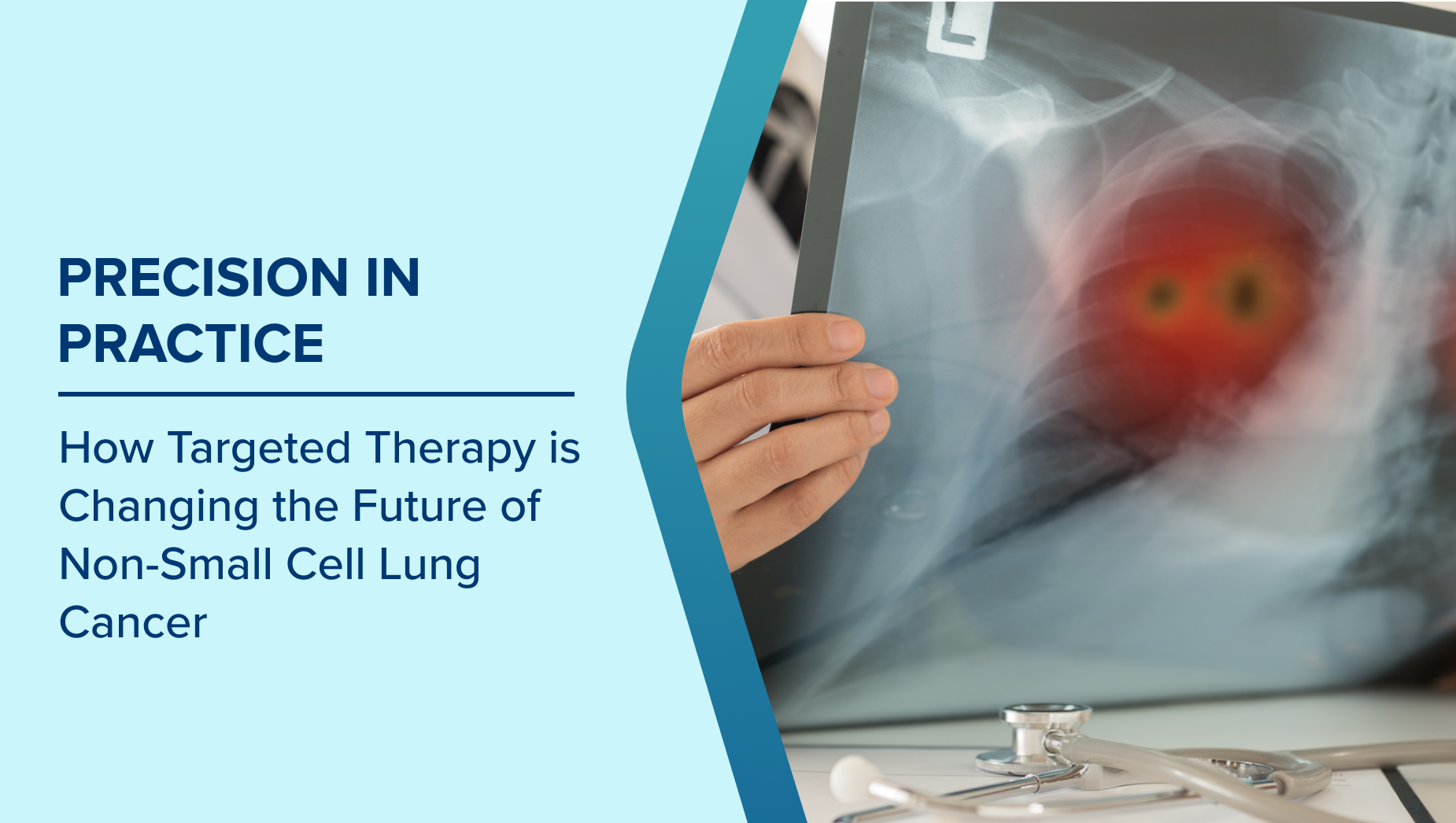
When it comes to treating non-small cell lung cancer (NSCLC), the medical landscape has dramatically shifted in recent years. Gone are the days when treatment options were limited to broad approaches like chemotherapy and radiation. Today, a revolution is underway—one driven by precision. Targeted therapy is reshaping how doctors approach NSCLC and, more importantly, how patients experience care and recovery.
What is Targeted Therapy?
At its core, targeted therapy is all about precision. Targeted therapies differ from traditional treatments by aiming only at specific mutations or markers found in cancer cells, leaving healthy cells mostly unaffected. They work by interfering with the signals that cancer cells rely on to grow, multiply, or heal, helping to slow down or halt the progression of the disease.
In NSCLC, many patients now undergo molecular testing to identify if their cancer has specific genetic alterations—like changes in the EGFR, ALK, or ROS1 genes. When such mutations are found, doctors can prescribe medications specifically developed to target those changes. This is a stark contrast to chemotherapy, which acts like a sweeping brush across the body, often leading to widespread side effects.
The Difference from Traditional Treatments
Chemotherapy has traditionally been a common and widely used treatment option for various types of cancer. However, it operates on a simple principle: kill fast-growing cells. Unfortunately, this means that healthy cells like those in the gut, hair follicles, and bone marrow often become collateral damage. As a consequence, individuals may experience side effects including nausea, fatigue, and hair loss.
Targeted therapy, on the other hand, is more like a key fitting into a specific lock. It focuses only on cells with certain mutations, which makes the treatment more effective and typically easier to tolerate. Patients on targeted therapy often report fewer side effects and better quality of life.
Real-World Impact on Patients
For patients with NSCLC, the benefits of targeted therapy are more than just medical—they are deeply personal. Imagine being told you have advanced lung cancer, only to learn that your tumour carries a mutation that can be treated with a daily pill. For many, this pill offers a chance at stability, longer survival, and most importantly, hope.
Patients who previously had limited options are now living longer and with greater comfort. Many continue their daily activities, go to work, and spend meaningful time with their families. While it’s not a cure, it’s a life-extending solution that offers something precious: more good days.
The Future of Personalised Medicine
The shift towards targeted therapy is just the beginning of a broader transformation in cancer care. Personalised medicine—where treatment is tailored to the individual characteristics of each patient and their cancer—is on the rise. As technology advances, researchers are discovering even more biomarkers that could be potential targets.
This progress opens up possibilities for combination therapies, where targeted drugs are used alongside other treatments like immunotherapy. Clinical trials are already exploring how best to sequence or combine therapies for the most benefit. Eventually, we may reach a point where every patient receives a fully customised treatment plan based on their tumour's unique genetic profile.
What This Means for the Healthcare Community
For healthcare providers, this evolution requires a new mindset. Oncologists now work closely with molecular pathologists, genetic counsellors, and pharmacists to develop treatment strategies. Early and thorough molecular testing plays a crucial role and should be prioritised for better outcomes. Identifying actionable mutations early ensures that patients receive the most effective treatments right from the start.
Meanwhile, the pharmaceutical industry continues to invest heavily in research and development, producing new therapies that target a growing list of mutations. These innovations are not only improving survival rates but are also setting new standards for what cancer treatment should look like in the 21st century.
The Patient Experience: A Shift Toward Empowerment
Today’s patients are better informed and more actively involved in their healthcare decisions than ever before. With better access to information, they ask about molecular testing, explore clinical trial options, and participate in decisions about their treatment plans. This empowerment is essential in cancer care, where understanding your options can make a significant difference.
Support systems are evolving too. Counselling services, patient advocacy groups, and online communities offer resources that help individuals navigate their journey. Emotional support, mental well-being, and lifestyle adjustments are now recognised as critical components of holistic cancer care.
Conclusion
The story of targeted therapy in NSCLC is one of transformation—for medicine, for doctors, and most of all, for patients. It's a vivid example of how science and compassion can come together to improve lives. As we look ahead, continued innovation, education, and collaboration will be key to ensuring that every person with NSCLC receives the care that is just right for them.
Frequently Asked Questions
Is targeted therapy suitable for all NSCLC patients?
No, targeted therapy is only effective if specific genetic mutations are found in the tumour. That’s why molecular testing is essential before starting treatment.
Can targeted therapy be combined with other treatments?
Yes, in some cases, doctors may combine targeted therapy with immunotherapy or chemotherapy to enhance results, depending on the patient’s condition and cancer stage.
How long does targeted therapy remain effective?
It varies. Some patients respond for months or even years. However, resistance can develop, which is why ongoing monitoring and potential treatment adjustments are important.
Are there risks or side effects with targeted therapy?
Yes, although generally, milder than chemotherapy, side effects like rash, diarrhoea, or liver issues can occur. These are often manageable with supportive care.
How soon can patients expect to see results from targeted therapy?
Some patients notice improvements within weeks, including better breathing or reduced pain. Doctors monitor progress using imaging tests and by observing changes in symptoms over a period of time.
Written and Verified by:

Related Blogs

Dr. Kamran Ali In Lung Transplant , Thoracic Surgery
Nov 05 , 2024 | 6 min read

Dr. Kamran Ali In Lung Transplant
May 15 , 2025 | 7 min read
Blogs by Doctor

Introduction to Chest Trauma (Injury): Causes, Types and Medical Interventions
Dr. Kamran Ali In Thoracic Surgery
Dec 21 , 2023 | 2 min read

What is Hemoptysis (Coughing up Blood) - Causes, and Signs of an Emergency
Dr. Kamran Ali In Thoracic Surgery
Apr 17 , 2024 | 5 min read
Most read Blogs


Related Blogs
Dr. Kamran Ali In Lung Transplant , Thoracic Surgery
Nov 05 , 2024 | 6 min read
Dr. Kamran Ali In Lung Transplant
May 15 , 2025 | 7 min read
Blogs by Doctor
Introduction to Chest Trauma (Injury): Causes, Types and Medical Interventions
Dr. Kamran Ali In Thoracic Surgery
Dec 21 , 2023 | 2 min read
What is Hemoptysis (Coughing up Blood) - Causes, and Signs of an Emergency
Dr. Kamran Ali In Thoracic Surgery
Apr 17 , 2024 | 5 min read
Most read Blogs