 WhatsApp Us (24/7)
 +91 926 888 0303 (24/7)


To Book an Appointment
Call Us+91 926 888 0303What is Rectal Cancer: Causes & Symptoms
By Dr. Sandeep Batra in Cancer Care / Oncology
Jan 30 , 2026

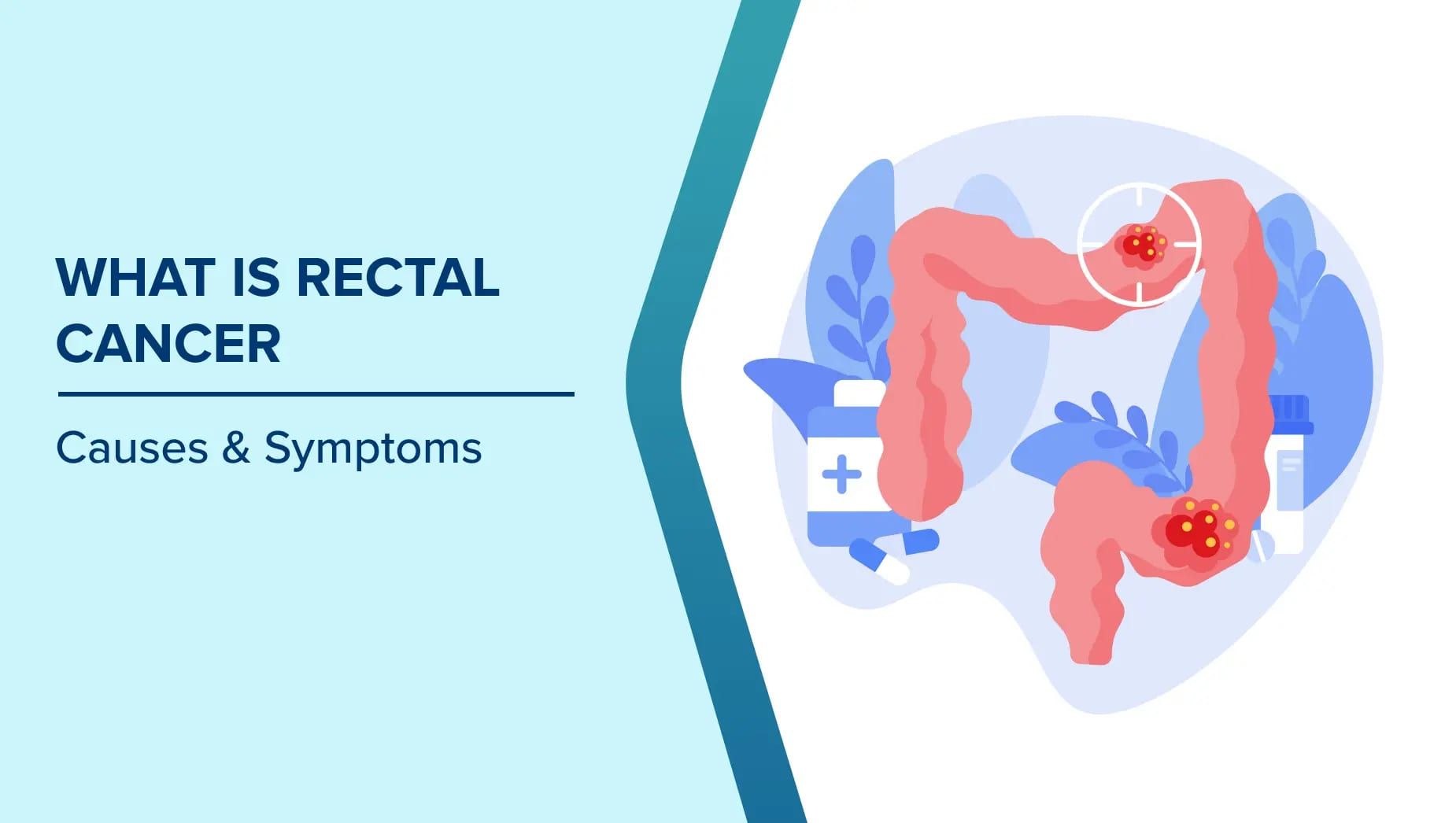
Rectal cancer is a cancer that originates in the rectum. Rectum is the lower part of the large intestine, which connects the colon to the anal canal. Rectal cancer, along with colon cancer, makes a large group known as colorectal cancer, which is the third most common malignancy diagnosed worldwide. Although they share similarities, rectal cancer is different in many diagnostic and therapeutic aspects.
The rectum has an essential position in the digestive system. It contains faeces, waiting until it's ready to remove the contents of the bowel system outside through the anus. Meanwhile, the remaining water content and the salt from waste are absorbed in the colon.
What are the Symptoms of Rectal Cancer?
Rectal cancer symptoms can vary depending on the size, location, and stage of the tumour. Early-stage rectal cancer may not cause noticeable symptoms, which is why regular screening is important. Common signs and symptoms include:
- Rectal bleeding: This is often one of the first noticeable symptoms. Blood may appear bright red on the surface of the stool or toilet paper, or it may be darker if mixed with stool. Persistent rectal bleeding should never be ignored, even if it seems minor.
- Diarrhoea: Frequent loose or watery stools can occur as the tumour affects the rectum’s ability to hold and move stool efficiently. Sudden onset of diarrhoea that lasts for more than a few days should be evaluated.
- Constipation: Difficulty passing stools, infrequent bowel movements, or a sensation of incomplete evacuation can develop as the tumour partially blocks the rectum.
- Changes in bowel habits: Rectal cancer can cause a noticeable change in how and when bowel movements occur. This may include increased urgency, straining, or a combination of constipation and diarrhoea.
- Narrow or stringy stools: Stools may become thinner than usual, sometimes resembling the size of a pencil. This can happen if a tumour partially obstructs the rectum, affecting the passage of stool.
- Abdominal discomfort: Cramping, bloating, or a feeling of fullness in the lower abdomen is common. Pain may be mild at first but can become more persistent as the disease progresses.
- Unexplained weight loss: Sudden weight loss without changes in diet or activity can be a warning sign, as cancer can affect the body’s metabolism and appetite.
- Tiredness and fatigue: Persistent fatigue may develop due to blood loss from the tumour or the body’s ongoing response to cancer. This can make even normal daily activities feel exhausting.
It is important to remember that these symptoms can also be caused by other conditions such as haemorrhoids, infections, irritable bowel syndrome, or inflammatory bowel disease. Any persistent or unusual changes in bowel habits, rectal bleeding, or ongoing fatigue should be discussed with a healthcare professional immediately.
What Causes Rectal Cancer?
Rectal cancer develops when abnormal cells in the rectum grow uncontrollably, forming a tumour that can invade nearby tissues or spread to other parts of the body. The exact cause is not always clear, but several factors increase the risk of developing rectal cancer:
- Age: The risk increases with age, and most cases are diagnosed in people over 50.
- Family history: A family history of colorectal cancer or inherited genetic conditions can raise the likelihood of developing rectal cancer.
- Diet and lifestyle: Diets high in processed foods and red meats but low in fibre, along with a sedentary lifestyle, contribute to a higher risk.
- Chronic conditions: Conditions such as inflammatory bowel disease (IBD), including Crohn’s disease and ulcerative colitis, increase the risk.
- Genetic mutations: Rare inherited mutations can predispose individuals to rectal cancer.
- Obesity: Being significantly overweight increases the risk, possibly due to changes in hormone levels and inflammation that can affect cell growth in the colon and rectum.
- Race: Certain racial and ethnic groups, particularly African Americans, have a higher incidence of rectal cancer, though the reasons involve a combination of genetics, diet, and access to healthcare.
- Smoking: Tobacco use has been linked to a higher risk of colorectal cancers, including rectal cancer, as chemicals in cigarettes can damage DNA and promote abnormal cell growth.
Treatment of Rectal Cancer
The treatment for rectal cancer varies with the stage of cancer and its location, along with the overall health of the patient. The main treatment modalities are:
- Surgery: Surgery is one of the most common treatment methods for rectal cancer, especially in the initial stages.
- Radiation Therapy: Radiation therapy is done before surgery to decrease the size of the tumour or after surgery to remove any residual cancer cells.
- Chemotherapy: Chemotherapy drugs may either be used along with surgery or radiation therapy to treat cancer.
- Targeted Therapy and Immunotherapy: These newer treatments use drugs that specifically target cancer cells or stimulate the immune system to fight cancer.
Certain lifestyle changes may help to decrease the risk. These include a well-balanced diet that is high in fruits, vegetables, and fibre. Keeping a healthy weight and an exercise routine, avoiding excessive alcohol intake and tobacco use and regular screening, especially for people over 45 years old or with a family history of colorectal cancer, would be helpful. Rectal cancer is a serious condition, but when diagnosed early, it can be treated. By understanding its causes, symptoms, and available treatments, one can take steps towards prevention, early detection and treatment. Any persistent symptoms such as rectal bleeding, changes in bowel habits, or unexplained weight loss must be discussed with a doctor promptly. Early diagnosis and treatment increase the chances of successful outcomes considerably.
How Can Rectal Cancer be Prevented?
While it may not be possible to prevent rectal cancer entirely, certain lifestyle choices and medical strategies can significantly reduce the risk:
- Regular screening: People over 45 or those with a family history of colorectal cancer should undergo routine colonoscopies or other recommended screening tests. Early detection of polyps or abnormal growths can prevent them from developing into cancer.
- Healthy diet: Consuming a diet rich in fruits, vegetables, whole grains, and fibre supports digestive health and can lower cancer risk. Reducing the intake of processed foods and red meat is also beneficial.
- Maintain a healthy weight: Obesity increases the risk of rectal cancer. Regular physical activity and balanced nutrition help maintain a healthy body weight.
- Exercise regularly: Engaging in moderate physical activity for at least 150 minutes per week improves overall health and reduces the risk of colorectal cancers.
- Avoid tobacco and limit alcohol: Smoking and excessive alcohol consumption are linked to a higher risk of rectal cancer. Avoiding these substances can lower cancer risk.
- Manage chronic conditions: Conditions like inflammatory bowel disease should be carefully monitored and treated under medical supervision, as controlling inflammation can reduce cancer risk.
- Know your family history: Understanding hereditary risks can guide earlier screening and preventive strategies for those at higher risk.
Frequently Asked Questions
How common is rectal cancer?
Rectal cancer is part of colorectal cancer, which is the third most common cancer diagnosed worldwide. While incidence varies by region and population, it is a significant health concern, especially in adults over 50.
What are the early signs of rectal cancer that people often miss?
Early signs can be subtle and easily mistaken for less serious conditions. These may include mild changes in bowel habits, occasional rectal bleeding, persistent fatigue, or slight abdominal discomfort. Because these symptoms are often overlooked, regular screening is important, especially for people over 45 or with a family history of colorectal cancer.
Is rectal cancer hereditary and how can I assess my risk?
Some cases of rectal cancer are linked to inherited genetic conditions, such as Lynch syndrome or familial adenomatous polyposis. Knowing your family history and discussing it with a healthcare professional can help assess your risk. Genetic counselling and earlier screening may be recommended for high-risk individuals.
How often should someone get screened for rectal cancer if they have no symptoms?
Screening typically begins at age 45 for average-risk individuals. Colonoscopy is the standard test, and depending on findings, it may be repeated every 5–10 years. People with higher risk factors, such as family history or certain medical conditions, may need to start earlier and screen more frequently.
Does rectal cancer affect men and women differently?
Rectal cancer can occur in both men and women, and the risk factors are generally similar. However, some studies suggest slight differences in incidence and outcomes, with men often being diagnosed at a slightly higher rate. Screening and awareness are equally important for both genders.
Are there any non-invasive tests available for detecting rectal cancer early?
Yes, non-invasive tests such as stool-based tests (faecal immunochemical test or FIT, and stool DNA tests) can detect early signs of colorectal cancers, including rectal cancer. Positive results usually require a follow-up colonoscopy for confirmation.
Can rectal cancer lead to complications if left untreated?
Untreated rectal cancer can grow and spread to nearby organs or lymph nodes, leading to obstruction, bleeding, severe pain, and general health decline. Advanced cancer may also metastasize to the liver or lungs, making treatment more complex. Early detection greatly improves outcomes.
Can rectal cancer be cured?
Yes, rectal cancer can often be successfully treated, especially when detected early. Treatment may include surgery, radiation, chemotherapy, or a combination. The success rate depends on the stage at diagnosis, overall health, and response to treatment. Early detection greatly improves the chances of a complete cure.
Does rectal cancer spread fast?
The speed of spread varies depending on the tumour type and stage. Some rectal cancers grow slowly over years, while others may progress more quickly and invade nearby tissues or lymph nodes. Early detection is key to preventing metastasis.
Written and Verified by:

Dr. Sandeep Batra Exp: 17 Yr
Medical Oncology, Cancer Care / Oncology, Uro-Oncology, Breast Cancer, Thoracic Oncology, Gynecologic Oncology, Gastrointestinal & Hepatobiliary Oncology, Musculoskeletal Oncology, Molecular Oncology & Cancer Genetics, Head & Neck Oncology, Neuro Oncology, Hematology Oncology
Meet the doctorRelated Blogs

Dr. Kanika Batra Modi In Cancer Care / Oncology
Nov 07 , 2020 | 3 min read

Dr. R.Ranga Rao In Medical Oncology , Cancer Care / Oncology , Thoracic Oncology
Nov 07 , 2020 | 2 min read
Blogs by Doctor

Leukemia - Types and Early Symptoms
Dr. Sandeep Batra In Medical Oncology , Cancer Care / Oncology , Hematology Oncology
Nov 08 , 2020 | 3 min read

Most read Blogs


Related Blogs
Dr. Kanika Batra Modi In Cancer Care / Oncology
Nov 07 , 2020 | 3 min read
Dr. R.Ranga Rao In Medical Oncology , Cancer Care / Oncology , Thoracic Oncology
Nov 07 , 2020 | 2 min read
Blogs by Doctor
Leukemia - Types and Early Symptoms
Dr. Sandeep Batra In Medical Oncology , Cancer Care / Oncology , Hematology Oncology
Nov 08 , 2020 | 3 min read
Most read Blogs