 WhatsApp Us (24/7)
 +91 926 888 0303 (24/7)


To Book an Appointment
Call Us+91 926 888 0303Liver Transplant Rejection: Signs, Prevention, and Treatment
By Dr. Waliullah Siddiqui in Liver Transplant and Biliary Sciences , Gastrointestinal & Hepatobiliary Oncology , Gastrointestinal Surgery , Robotic Surgery
Dec 04 , 2025 | 6 min read

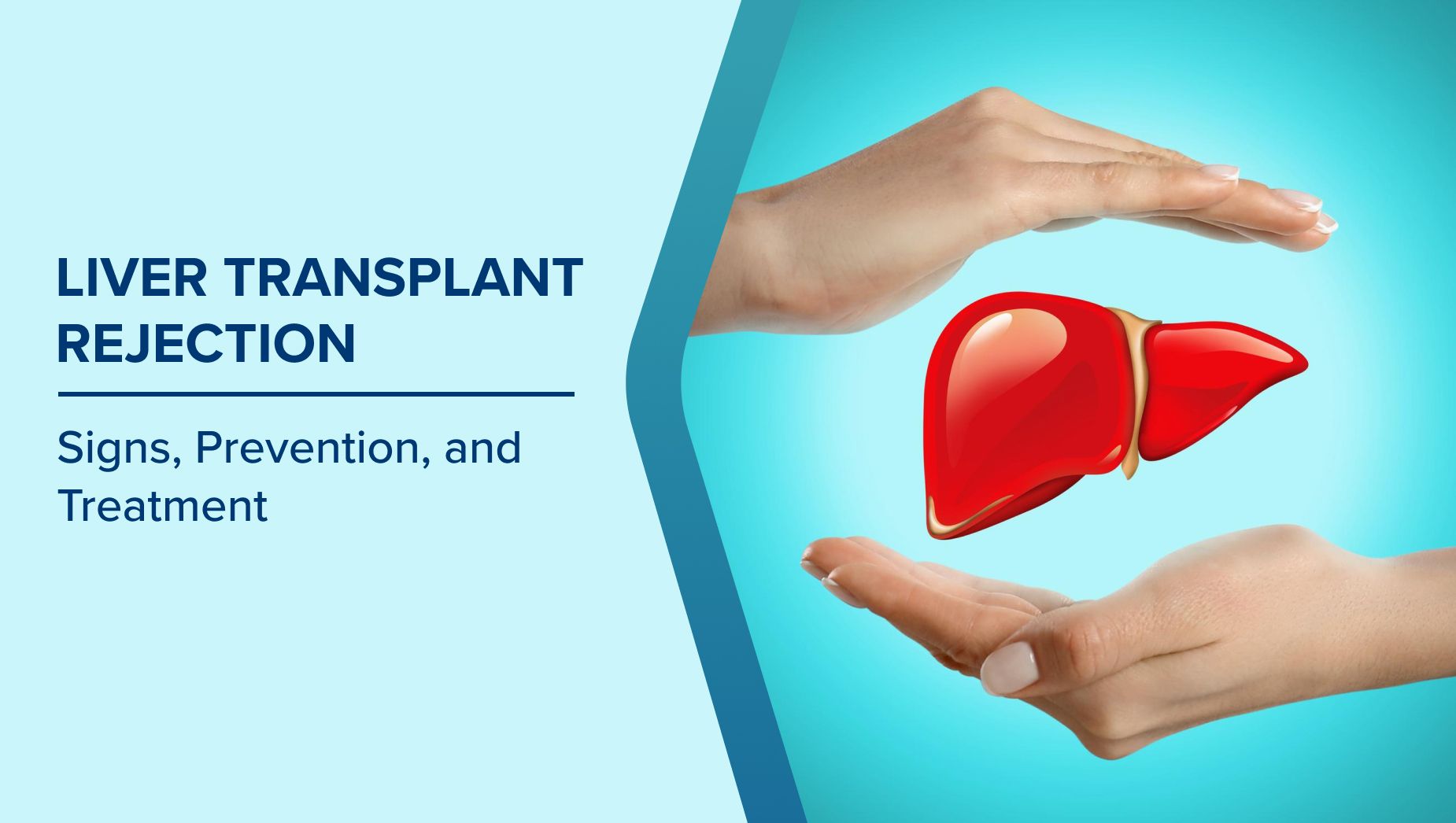
A liver transplant is often a life-saving procedure for people with advanced liver disease or failure. However, even after a successful surgery, one of the most important concerns in recovery is liver transplant rejection. This condition occurs when the body’s immune system mistakenly recognises the new liver as foreign and begins to attack it.
Knowing the causes, recognising early symptoms, and understanding how to prevent and manage rejection are essential steps toward ensuring a smooth recovery and maintaining long-term liver health after transplantation.
What Is Liver Transplant Rejection?
Liver transplant rejection happens when the immune system, whose role is to protect the body from harmful invaders, identifies the transplanted liver as a potential threat. In response, it launches an immune attack against the donor organ.
This reaction does not mean the transplant has failed, but it does indicate that the immune system needs to be controlled carefully with medication and ongoing monitoring. Most cases of rejection can be managed effectively when detected early and treated promptly.
How the Immune System Responds
The human immune system is designed to recognise and destroy anything unfamiliar, including viruses, bacteria, and even transplanted organs. After a liver transplant, the immune cells may see the new liver as “non-self” because of differences in tissue and genetic markers.
To prevent this immune attack, patients are prescribed immunosuppressant medicines that reduce the immune response and help the body accept the new organ. Regular follow-ups and blood tests are important to ensure the right balance, enough suppression to prevent rejection, but not so much that it makes the body vulnerable to infections.
Types of Liver Transplant Rejection
Not all rejection episodes are the same. Understanding the types helps both patients and doctors take timely action.
Acute Rejection
This is the most common type and can occur within weeks to months after the surgery. It usually happens when the body is still adjusting to the new organ or when medication levels fluctuate. With prompt treatment, acute rejection is usually reversible.
Chronic Rejection
This develops over a longer period, sometimes months or years after the transplant. It often causes gradual liver damage and may lead to a decline in liver function over time. Regular monitoring helps detect early signs and manage them before complications arise.
Hyperacute Rejection
A very rare but severe type that happens almost immediately after surgery, caused by pre-existing antibodies that react strongly against the donor organ. With modern compatibility testing, this type is extremely uncommon today.
Common Signs and Symptoms of Rejection
Liver transplant rejection does not always cause obvious symptoms in the beginning. However, paying attention to the body and recognising early warning signs is crucial.
Typical symptoms may include:
- Persistent fatigue or weakness
- Yellowing of the skin or eyes (jaundice)
- Abdominal pain or tenderness
- Dark urine or pale stools
- Fever or flu-like symptoms
- Swelling in the legs or abdomen
- Loss of appetite or nausea
These signs often overlap with other post-surgery issues, so they should never be ignored. Reporting symptoms early allows doctors to assess whether they are related to rejection or another cause.
Diagnosis and Monitoring
Detecting liver transplant rejection early is key to successful treatment. Doctors use a combination of tests and regular monitoring to evaluate how well the new liver is functioning.
- Blood Tests: The most common way to monitor liver health. Elevated liver enzymes can signal inflammation or rejection.
- Imaging Tests: Ultrasound or CT scans may be done to check blood flow, bile ducts, and overall liver structure.
- Liver Biopsy: A small tissue sample is examined under a microscope to confirm whether rejection is occurring and to assess its severity.
Regular check-ups are an essential part of post-transplant care. Even if you feel well, consistent monitoring helps detect subtle changes before symptoms appear.
Preventing Liver Transplant Rejection
Prevention largely depends on consistent medical care and personal responsibility. Patients play a vital role in keeping their transplanted liver healthy.
- Take Medications Exactly as Prescribed: Immunosuppressant drugs are crucial for preventing rejection. Missing doses, even occasionally, can trigger an immune response. Always take medicines at the same time every day and never stop without medical advice.
- Attend Regular Follow-ups: Frequent visits to your transplant specialist ensure timely detection of any early warning signs. Blood tests help adjust medication doses for optimal protection.
- Maintain a Healthy Lifestyle: A balanced diet, regular exercise, and proper hydration help support the immune system and liver function. Avoid alcohol and limit processed or high-fat foods.
- Protect Yourself from Infections: Because immunosuppressants lower immune defences, patients should avoid contact with people who have contagious illnesses and maintain good hygiene habits.
- Communicate Any Changes: If you experience unusual symptoms, medication side effects, or new health issues, inform your doctor promptly. Transparency is essential in preventing complications.
Treatment Options for Liver Transplant Rejection
When rejection is detected, treatment depends on its type and severity. The goal is to suppress the immune attack while protecting liver function.
- Medication Adjustments: Doctors may increase the dose of current immunosuppressants or switch to stronger ones temporarily to control the immune response.
- Corticosteroids: Short-term steroid therapy may be used to calm inflammation and reduce immune activity.
- Additional Immunosuppressants: If the liver does not respond adequately, other medicines may be added to enhance the effect.
- In Rare Cases, Re-transplantation: If the liver becomes severely damaged and no longer functions properly, a second transplant might be necessary. However, this is uncommon with timely medical management.
Most patients recover well with prompt and appropriate treatment, especially when rejection is diagnosed early.
Living After a Liver Transplant
Life after a liver transplant requires ongoing care and a balanced approach to health. While the fear of rejection can be overwhelming, most patients lead fulfilling lives with proper guidance and support.
Here are a few essential habits for long-term well-being:
- Eat a nutrient-rich diet with fresh fruits, vegetables, lean protein, and whole grains.
- Avoid alcohol and minimise salt intake to protect liver and heart health.
- Get enough sleep and manage stress through relaxation techniques.
- Stay active with gentle exercises like walking or yoga, as advised by your doctor.
- Stay connected with support groups or counseling if you feel anxious about your recovery journey.
Conclusion
Liver transplant rejection may sound alarming, but it is a manageable condition when understood and addressed correctly. Early detection, regular monitoring, and a healthy lifestyle are the foundation of long-term transplant success.
Patients who remain proactive, follow medical advice, and stay consistent with medications can protect their new liver and lead a healthy, active life. Awareness, discipline, and communication with your healthcare team make all the difference in ensuring your transplant continues to function well for many years.
Frequently Asked Questions
Can stress affect liver transplant recovery?
Yes, prolonged stress can impact immunity and overall healing. Relaxation practices such as meditation, gentle exercise, or deep breathing can support emotional and physical recovery.
What foods should be avoided after a liver transplant?
Avoid undercooked meats, raw seafood, unpasteurised dairy, and processed foods high in fat or salt. Always eat freshly cooked meals and wash fruits and vegetables properly.
Is a mild fever after a liver transplant normal?
A mild, temporary fever can sometimes occur after surgery. However, persistent or high fever could indicate infection or rejection and should be reported immediately.
How can family members help in preventing rejection?
Family support is crucial. They can help ensure medicines are taken on time, accompany patients to appointments, and assist in maintaining a healthy daily routine.
Does climate or travel affect liver health after a transplant?
Travel is possible once your doctor approves, but avoid areas with high infection risk or extreme temperatures. Always carry your medicines and medical records while travelling.
Written and Verified by:

Related Blogs

Prof (Dr.) Subhash Gupta In Liver Transplant and Biliary Sciences
Nov 07 , 2020 | 2 min read

Dr. Nivedita Pandey In Gastroenterology, Hepatology & Endoscopy , Liver Transplant and Biliary Sciences
Nov 07 , 2020 | 2 min read
Blogs by Doctor

Post-Liver Transplant Diet: Foods and Nutrition Tips for Faster Healing
Dr. Waliullah Siddiqui In Liver Transplant and Biliary Sciences , Gastrointestinal & Hepatobiliary Oncology , Gastrointestinal Surgery , Gastro Intestinal & Hepatopancreatobiliary Surgical Oncology , Robotic Surgery
Oct 14 , 2025 | 4 min read
Most read Blogs


Related Blogs
Prof (Dr.) Subhash Gupta In Liver Transplant and Biliary Sciences
Nov 07 , 2020 | 2 min read
Dr. Nivedita Pandey In Gastroenterology, Hepatology & Endoscopy , Liver Transplant and Biliary Sciences
Nov 07 , 2020 | 2 min read
Blogs by Doctor
Post-Liver Transplant Diet: Foods and Nutrition Tips for Faster Healing
Dr. Waliullah Siddiqui In Liver Transplant and Biliary Sciences , Gastrointestinal & Hepatobiliary Oncology , Gastrointestinal Surgery , Gastro Intestinal & Hepatopancreatobiliary Surgical Oncology , Robotic Surgery
Oct 14 , 2025 | 4 min read
Most read Blogs