 WhatsApp Us (24/7)
 +91 926 888 0303 (24/7)


To Book an Appointment
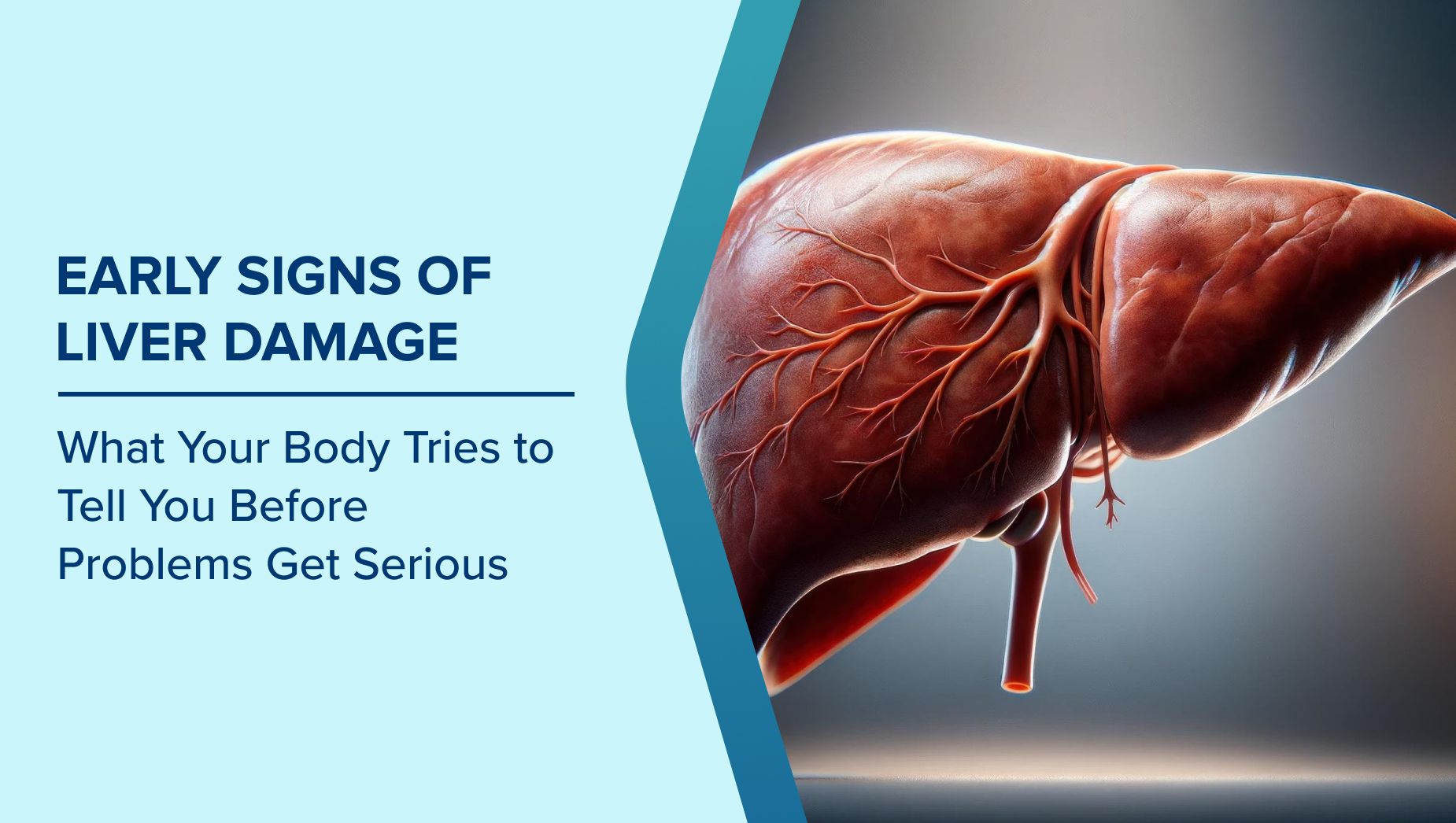
Call Us+91 926 888 0303Early Signs of Liver Damage: What Your Body Tries to Tell You Before Problems Get Serious
By Dr. Waliullah Siddiqui in Surgical Oncology , Liver Transplant and Biliary Sciences , Gastrointestinal & Hepatobiliary Oncology , Gastrointestinal Surgery , Robotic Surgery
Jan 06 , 2026 | 5 min read

The liver quietly carries out hundreds of tasks every single day. It filters toxins, breaks down medicines, supports digestion, stores nutrients, balances hormones and keeps your metabolism on track. Despite doing so much, many people think about liver health only when a major problem shows up. The trouble is that most early signs of liver damage are easy to miss. They start slowly, blend into everyday life and often look like something minor.
This is why understanding early symptoms matters. Liver disease becomes easier to manage when identified at the earliest stage. This includes fatty liver symptoms, subtle liver disease warning signs, and the first hints of liver failure that the body tries to communicate.
What Is the Liver and Why Does Its Health Matter
The liver is one of the largest and busiest organs in the body. It sits on the right side of the abdomen and works all the time, even while you sleep. Some of its main functions include:
- Filtering toxins, chemicals and alcohol
- Breaking down fats, proteins and carbohydrates
- Supporting immunity
- Maintaining hormone balance
- Storing vitamins, minerals and energy
- Helping the body digest food through bile production
Because the liver performs so many tasks, even a small degree of damage can affect many parts of the body. Most people do not realise this because early liver injury often develops quietly. When symptoms finally appear, the condition may already be advanced.
Why Liver Damage Often Goes Unnoticed
Mild to moderate liver damage usually does not cause pain. The liver has no nerves that warn you the way muscles and skin do. Instead, the symptoms come from changes in digestion, hormones, metabolism and energy levels. These can easily be mistaken for stress, poor sleep or normal ageing.
In many cases, people adjust to the symptoms rather than seeking help. This delay is what allows conditions like fatty liver disease, alcohol-related liver injury and viral hepatitis to progress.
Recognising small changes early can prevent long-term liver disease and reduce the risk of liver failure.
Early Subtle Signs of Liver Damage People Commonly Ignore
Below are some warning signs that many people overlook. These may not appear all at once. Sometimes only one or two show up at first.
- Unexplained fatigue: Feeling tired all the time is one of the earliest signs of liver damage. This fatigue does not go away even after rest. The liver plays a key role in energy production. When it struggles, the whole body feels slow and heavy.
- Poor appetite or feeling full quickly: Early liver changes can interfere with normal digestion. Some people notice they get full faster than before, or have less interest in food, even without nausea.
- Mild nausea or unsettled stomach: This is a common complaint among people with early fatty liver disease. It tends to come and go, making it easy to ignore.
- Bloating or discomfort on the right side of the abdomen: You may not feel sharp pain, but a sense of heaviness or pressure on the right side can be an early sign that the liver is working harder than usual.
Digestive Symptoms Linked to Early Liver Damage
The liver is directly involved in digestion, so any decline in liver function can affect the gut.
- Changes in bowel habits: Some people notice loose stools, while others experience constipation more frequently. This occurs because the liver plays an important role in bile production.
- Pale, greasy or foul-smelling stools: When bile flow is affected, stools may become lighter in colour or oily. This can be an early sign of bile duct issues or liver inflammation.
- Frequent gas and indigestion: Difficulty breaking down fats can lead to discomfort after meals.
- Yellowish tint in the eyes: This is an early sign of bilirubin buildup. Even a slight colour change should be taken seriously.
Skin and Physical Changes That May Signal Liver Damage
Many people do not connect skin changes with liver health, but the skin often reacts early.
- Itching without a rash: When liver function declines, bile salts may accumulate and cause unexplained itching, especially at night.
- Skin that bruises easily: The liver helps make clotting proteins. If these levels drop, even a minor bump can leave a mark.
- Dark circles or dull skin tone: Toxin buildup and poor blood filtration can lead to tired-looking skin.
- Swelling in legs or ankles: Fluid buildup may appear in the early stages of chronic liver disease.
Hormonal and Metabolic Changes That Suggest Liver Stress
The liver influences many hormones, including insulin, estrogen and cortisol. When it becomes strained, several metabolic changes may appear.
- Sudden weight gain around the abdomen: This can happen even without overeating, especially in people with fatty liver disease.
- Unusual cravings for salty or sugary foods: Liver stress can affect blood sugar balance and hunger cues.
- Irregular menstrual cycles: Women may notice cycle changes due to altered estrogen metabolism.
- Difficulty concentrating: Known as brain fog, this may occur early in liver injury due to reduced detoxification efficiency.
Lifestyle Triggers and Risk Factors
Liver damage does not happen overnight. It usually develops over time due to several risk factors, including:
- Excess alcohol consumption
- Sedentary lifestyle
- High sugar intake
- Obesity or abdominal fat
- Smoking
- Long-term use of certain medicines
- Viral infections like hepatitis B or C
- Uncontrolled diabetes
- High cholesterol or triglycerides
Knowing your risk helps you understand why certain symptoms may appear and when to take them seriously.
When to See a Doctor
You should seek medical advice if you notice:
- Persistent fatigue
- Yellowing of the eyes
- Frequent indigestion
- Abdominal discomfort that lasts longer than a few weeks
- Dark urine
- Easy bruising
- Swelling of the legs or feet
Prevention Tips for Better Liver Health
The liver responds well to healthy lifestyle changes. Even early liver damage can often be reversed with the right habits.
Healthy habits to protect your liver:
- Maintain a healthy weight
- Eat more fruits, vegetables and whole grains
- Reduce sugar, fried foods and processed snacks
- Limit alcohol
- Stay active with regular exercise
- Stay hydrated
- Avoid unnecessary painkillers
- Get screened for hepatitis if at risk
Frequently Asked Questions
Can liver damage cause changes in sleep patterns?
Yes, liver dysfunction can affect hormone balance, especially melatonin, leading to irregular sleep or frequent nighttime waking.
Does drinking more water improve liver health?
Water supports digestion and kidney function, but it cannot reverse liver disease. It helps overall wellness, but should be paired with healthy eating and lifestyle changes.
Can fatty liver occur in people who are not overweight?
Yes, this is called lean fatty liver. It can be linked to genetics, rapid weight changes, long-term medication use or metabolic issues.
Are liver detox teas effective?
Most detox teas have no proven benefit and may even stress the liver further. Natural detox happens through healthy food, exercise and hydration.
Can stress affect liver function?
Chronic stress increases cortisol levels, which can worsen inflammation and metabolic problems that contribute to liver disease.
Written and Verified by:

Related Blogs

Dr. S. VEDA PADMA PRIYA In Surgical Oncology , Cancer Care / Oncology
May 16 , 2016 | 2 min read

Dr. Kanika Batra Modi In Surgical Oncology , Cancer Care / Oncology
May 26 , 2016 | 4 min read
Blogs by Doctor
Post-Liver Transplant Diet: Foods and Nutrition Tips for Faster Healing
Dr. Waliullah Siddiqui In Liver Transplant and Biliary Sciences , Gastrointestinal & Hepatobiliary Oncology , Gastrointestinal Surgery , Gastro Intestinal & Hepatopancreatobiliary Surgical Oncology , Robotic Surgery
Oct 14 , 2025 | 4 min read
Most read Blogs


Related Blogs
Dr. S. VEDA PADMA PRIYA In Surgical Oncology , Cancer Care / Oncology
May 16 , 2016 | 2 min read
Dr. Kanika Batra Modi In Surgical Oncology , Cancer Care / Oncology
May 26 , 2016 | 4 min read
Blogs by Doctor
Post-Liver Transplant Diet: Foods and Nutrition Tips for Faster Healing
Dr. Waliullah Siddiqui In Liver Transplant and Biliary Sciences , Gastrointestinal & Hepatobiliary Oncology , Gastrointestinal Surgery , Gastro Intestinal & Hepatopancreatobiliary Surgical Oncology , Robotic Surgery
Oct 14 , 2025 | 4 min read
Most read Blogs