 WhatsApp Us (24/7)
 +91 926 888 0303 (24/7)


To Book an Appointment
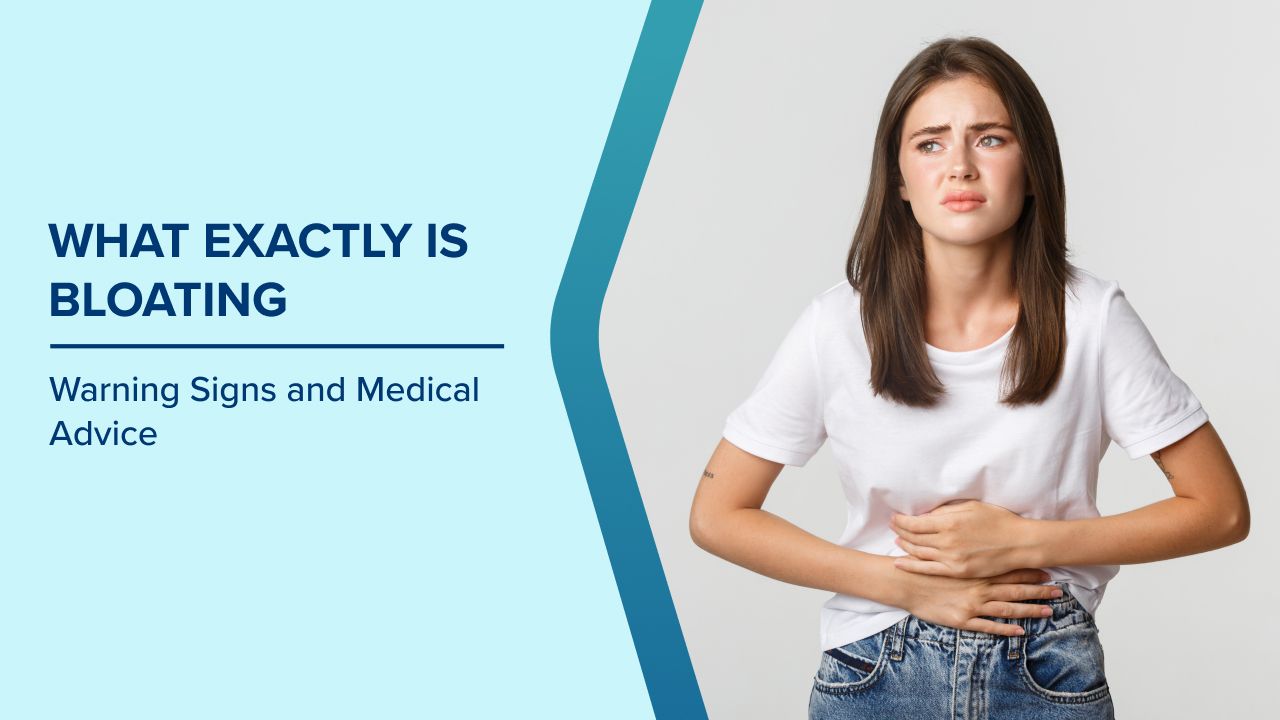
Call Us+91 926 888 0303What Exactly Is Bloating: Warning Signs and Medical Advice
By Dr Anubhav Jain in Gastroenterology, Hepatology & Endoscopy
May 19 , 2026

Bloating is a common digestive complaint that many people experience occasionally, especially after a heavy meal. However, when bloating becomes frequent, uncomfortable, or persistent, it may signal an underlying digestive issue that needs medical attention. At Max Hospital, Gurugram, specialists emphasise the importance of distinguishing between harmless bloating and bloating that could indicate a deeper gut problem.
What Exactly Is Bloating?
Bloating is the feeling of fullness, tightness, or swelling in the abdomen. It may or may not be accompanied by visible abdominal distension. This sensation often occurs when the gastrointestinal (GI) tract is filled with gas or when digestion slows down.
Occasional bloating is normal and usually related to dietary habits or temporary digestive changes. However, persistent bloating can sometimes be a warning sign of gastrointestinal disorders.
Common Causes of Normal Bloating
In many cases, bloating is harmless and related to lifestyle or dietary factors. Some of the most common causes include:
- Overeating: Consuming large meals can stretch the stomach and slow digestion, causing temporary fullness and bloating.
- Gas-Producing Foods: Foods like beans, cabbage, broccoli, onions, and carbonated beverages can produce gas during digestion, leading to bloating.
- Eating Too Quickly: When you eat fast, you tend to swallow more air, which can accumulate in the digestive tract and cause discomfort.
- Hormonal Changes: Many women experience bloating during their menstrual cycle due to hormonal fluctuations and fluid retention.
- Temporary Digestive Upset: Occasional indigestion or mild constipation can also lead to short-term bloating.
If bloating occurs occasionally and resolves on its own, it is generally not a cause for concern.
When Bloating Could Signal a Gut Problem?
Persistent or severe bloating should not be ignored, especially if other digestive symptoms accompany it. At Max Hospital, Gurugram, gastroenterologists often evaluate chronic bloating to rule out underlying gastrointestinal conditions such as:
- Irritable Bowel Syndrome (IBS): IBS is a common digestive disorder that can cause bloating, abdominal pain, diarrhoea, constipation, or alternating bowel habits.
- Food Intolerances: Some individuals have difficulty digesting certain foods, such as lactose (found in dairy) or gluten (found in wheat). This can lead to gas, bloating, and stomach discomfort.
- Small Intestinal Bacterial Overgrowth (SIBO): This condition occurs when excess bacteria grow in the small intestine, leading to gas production, bloating, and digestive disturbances.
- Constipation: Chronic constipation can lead to stool buildup in the colon, causing abdominal swelling and discomfort.
- Inflammatory Bowel Disease (IBD): Conditions such as Crohn’s disease or ulcerative colitis may cause persistent bloating, diarrhoea, fatigue, and abdominal pain.
- Ovarian or Other Abdominal Conditions: In rare cases, persistent bloating, especially in women, may be linked to gynaecological or abdominal issues that require medical evaluation.
Warning Signs You Should Not Ignore
While occasional bloating is normal, certain symptoms may indicate a more serious problem. You should consult a doctor if bloating is accompanied by:
- Persistent abdominal pain
- Unexplained weight loss
- Frequent diarrhea or constipation
- Blood in stools
- Severe heartburn
- Loss of appetite
- Nausea or vomiting
- Visible abdominal swelling that does not go away
Early diagnosis can help identify the underlying cause and prevent complications.
How Doctors Diagnose the Cause of Bloating
At Max Hospital, Gurugram, doctors use a comprehensive approach to determine the reason behind persistent bloating. Diagnosis may include:
- Detailed medical history and dietary evaluation
- Physical examination
- Blood tests
- Ultrasound or imaging studies
- Endoscopy or colonoscopy
- Tests for food intolerance or bacterial overgrowth
These investigations help identify whether bloating is related to digestion, gut health, or another medical condition.
Simple Ways to Reduce Everyday Bloating
If your bloating is related to lifestyle or diet, simple changes can often provide relief:
- Eat smaller, balanced meals
- Chew food slowly and thoroughly
- Limit carbonated drinks
- Reduce gas-producing foods if they trigger symptoms
- Stay physically active to improve digestion
- Drink adequate water
- Maintain regular bowel habits
Keeping a food diary can also help identify foods that may trigger bloating.
When to Seek Expert Care
If bloating becomes frequent, painful, or persistent despite lifestyle changes, it is important to consult a specialist. The experienced gastroenterology team at Max Hospital, Gurugram, provides advanced diagnostic and treatment options for a wide range of digestive disorders, ensuring personalised care for each patient.
Conclusion
Bloating is often harmless and linked to diet or lifestyle habits. However, when it occurs frequently or alongside other digestive symptoms, it may be a sign of an underlying gut problem that requires medical attention. Recognising the difference between normal bloating and a potential health issue can help you seek timely care and maintain better digestive health.
If you are experiencing persistent bloating or digestive discomfort, consulting specialists at Max Hospital, Gurugram can help identify the cause and guide you toward effective treatment and long-term relief.
Written and Verified by:

Related Blogs

Dr. Nivedita Pandey In Gastroenterology, Hepatology & Endoscopy , Liver Transplant and Biliary Sciences
Nov 07 , 2020 | 2 min read
Dr. Nivedita Pandey In Gastroenterology, Hepatology & Endoscopy , Liver Transplant and Biliary Sciences
Nov 07 , 2020 | 2 min read
Blogs by Doctor
The Hidden Link Between High Cholesterol and Fatty Liver
Dr Anubhav Jain In Gastroenterology, Hepatology & Endoscopy
Sep 12 , 2025 | 3 min read
The Gut-Brain Connection: Managing Stress to Control IBD Symptoms
Dr Anubhav Jain In Gastroenterology, Hepatology & Endoscopy
Sep 19 , 2025 | 2 min read
Most read Blogs


Related Blogs
Dr. Nivedita Pandey In Gastroenterology, Hepatology & Endoscopy , Liver Transplant and Biliary Sciences
Nov 07 , 2020 | 2 min read
Dr. Nivedita Pandey In Gastroenterology, Hepatology & Endoscopy , Liver Transplant and Biliary Sciences
Nov 07 , 2020 | 2 min read
Blogs by Doctor
The Hidden Link Between High Cholesterol and Fatty Liver
Dr Anubhav Jain In Gastroenterology, Hepatology & Endoscopy
Sep 12 , 2025 | 3 min read
The Gut-Brain Connection: Managing Stress to Control IBD Symptoms
Dr Anubhav Jain In Gastroenterology, Hepatology & Endoscopy
Sep 19 , 2025 | 2 min read
Most read Blogs