 WhatsApp Us (24/7)
 +91 926 888 0303 (24/7)


To Book an Appointment
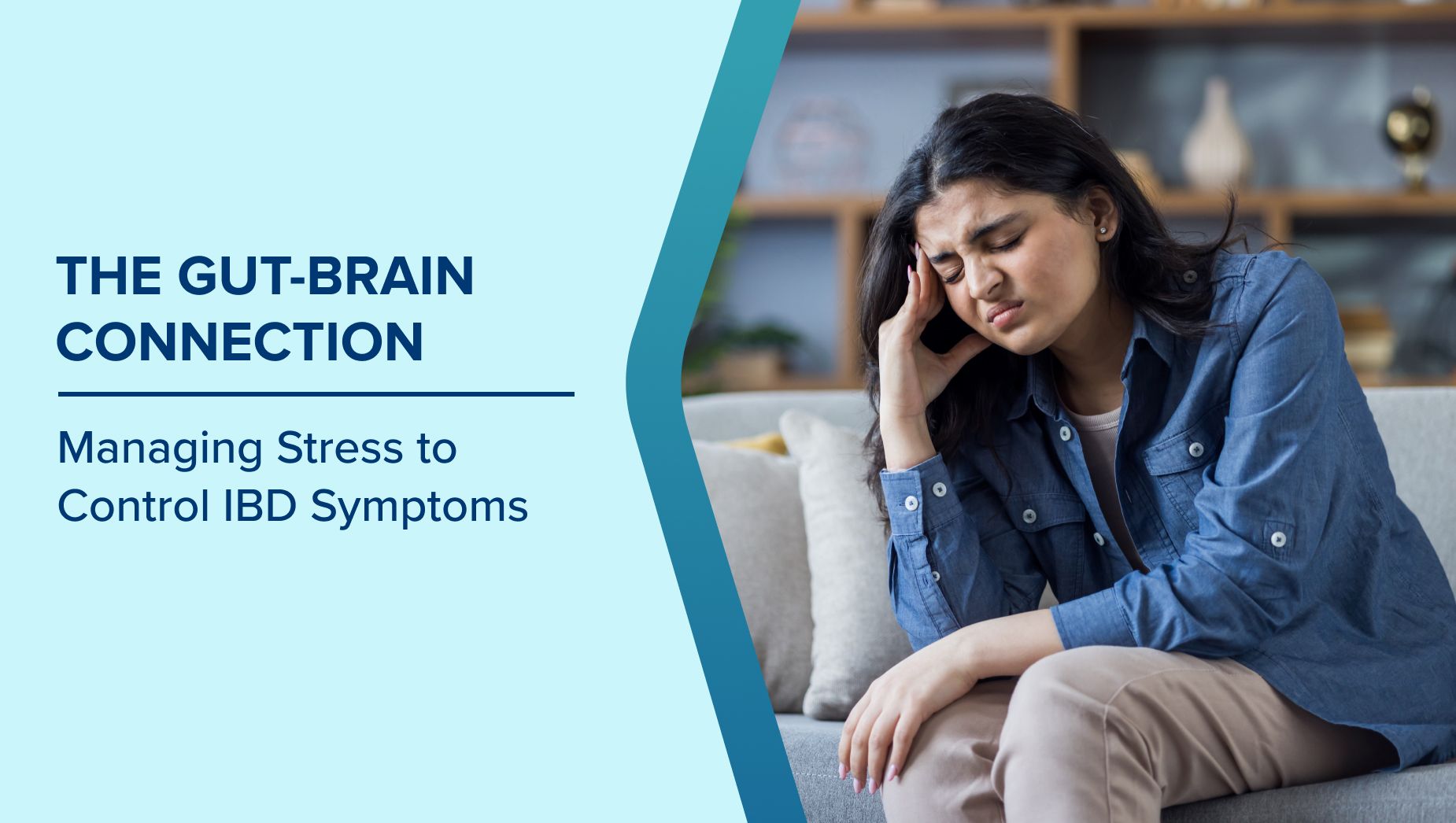
Call Us+91 926 888 0303The Gut-Brain Connection: Managing Stress to Control IBD Symptoms
By Dr Anubhav Jain in Gastroenterology, Hepatology & Endoscopy
Sep 19 , 2025 | 2 min read
2

Living with Inflammatory Bowel Disease (IBD) can be challenging. Conditions like Crohn’s disease and ulcerative colitis don’t just affect the digestive system; they impact your overall quality of life. One of the biggest triggers for flare-ups is something we all deal with daily: stress.
But how exactly does stress affect IBD, and what can you do about it? Let’s break it down in a simple, relatable way.
Stress and Your Gut: The Connection
The gut and brain are closely linked through what’s called the gut-brain axis. This means your emotions, thoughts, and stress levels directly influence your digestive system.
When you’re under stress, your body releases hormones like cortisol and adrenaline. These hormones prepare you for a “fight or flight” response, but they can also:
- Speed up or slow down digestion
- Increase inflammation in the gut
- Make your immune system overreact
For individuals with Inflammatory Bowel Disease (IBD), increased stress may trigger or intensify symptoms like stomach pain, diarrhoea, and tiredness. While stress itself doesn’t cause IBD, it can definitely make flare-ups more frequent and harder to manage.
How Stress Shows Up in IBD
If you have IBD, you might notice your symptoms worsen during stressful times, before an exam, during a hectic work schedule, or while dealing with family issues. Some common effects include:
- More frequent bowel movements
- Increased abdominal cramping
- Trouble sleeping due to discomfort
- Feeling anxious or low in mood
- Reduced appetite or overeating
This creates a cycle: IBD symptoms cause stress, and stress makes IBD symptoms worse. Breaking this cycle is key to managing your health.
Ways to Manage Stress with IBD
While you can’t avoid stress completely, you can learn to manage it. Here are some practical strategies that really help:
- Practice Relaxation Techniques: Breathing exercises, meditation, and yoga calm your nervous system. Spending just 10–15 minutes a day can help reduce stress and relieve digestive discomfort.
- Stay Active: Gentle exercises like walking, swimming, or stretching not only improve mood but also reduce inflammation. Movement helps your body handle stress better.
- Eat Mindfully: Stress often leads to unhealthy eating. Try eating smaller meals, chewing slowly, and avoiding known trigger foods. Keeping a food diary can help you notice which foods worsen your IBD when you’re stressed.
- Prioritise Sleep: Poor sleep can heighten both stress and IBD symptoms. Aim for 7–8 hours of restful sleep by sticking to a bedtime routine and limiting screen time before bed.
- Seek Emotional Support: Talking about your worries can be helpful. This could be with a trusted friend, a support group, or a therapist who understands chronic illness. Sometimes, simply sharing your experience lightens the emotional burden.
- Plan Ahead: Stress often comes from uncertainty. Planning your day, carrying your medication, and knowing where restrooms are when you go out can reduce anxiety and give you more control.
- Professional Help When Needed: If stress or anxiety feels overwhelming, consult a healthcare provider. They may recommend counselling, stress management programs, or medication.
When to Talk to Your Doctor
If you notice frequent flare-ups or that stress is making it hard to manage your IBD, it’s important to check in with your doctor. They can adjust your treatment plan and connect you with resources like nutritionists or mental health specialists.
Conclusion
Stress may not cause IBD, but it plays a major role in how the condition shows up in daily life. By understanding the gut-brain connection and practising stress management techniques, you can reduce flare-ups and improve your overall well-being.
Remember, managing IBD isn’t just about treating the gut, it’s also about caring for the mind. Finding balance between the two can help you live a healthier, more comfortable life.
Written and Verified by:

Related Blogs

Dr. Nivedita Pandey In Gastroenterology, Hepatology & Endoscopy , Liver Transplant and Biliary Sciences
Nov 07 , 2020 | 2 min read
Dr. Nivedita Pandey In Gastroenterology, Hepatology & Endoscopy , Liver Transplant and Biliary Sciences
Nov 07 , 2020 | 2 min read
Blogs by Doctor
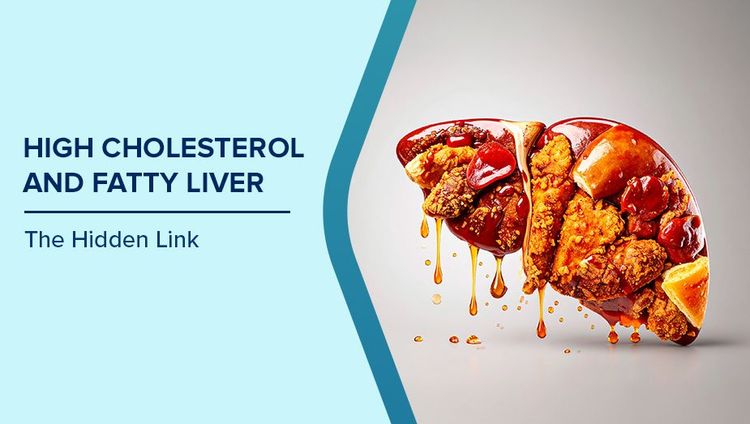
The Hidden Link Between High Cholesterol and Fatty Liver
Dr Anubhav Jain In Gastroenterology, Hepatology & Endoscopy
Sep 12 , 2025 | 3 min read
Most read Blogs


Related Blogs
Dr. Nivedita Pandey In Gastroenterology, Hepatology & Endoscopy , Liver Transplant and Biliary Sciences
Nov 07 , 2020 | 2 min read
Dr. Nivedita Pandey In Gastroenterology, Hepatology & Endoscopy , Liver Transplant and Biliary Sciences
Nov 07 , 2020 | 2 min read
Blogs by Doctor
The Hidden Link Between High Cholesterol and Fatty Liver
Dr Anubhav Jain In Gastroenterology, Hepatology & Endoscopy
Sep 12 , 2025 | 3 min read
Most read Blogs