 WhatsApp Us (24/7)
 +91 926 888 0303 (24/7)


To Book an Appointment
Call Us+91 926 888 0303Warning Signs of Severe Malaria: When to See a Doctor
By Dr A. Zeenat Ahmed in Internal Medicine
Apr 20 , 2026

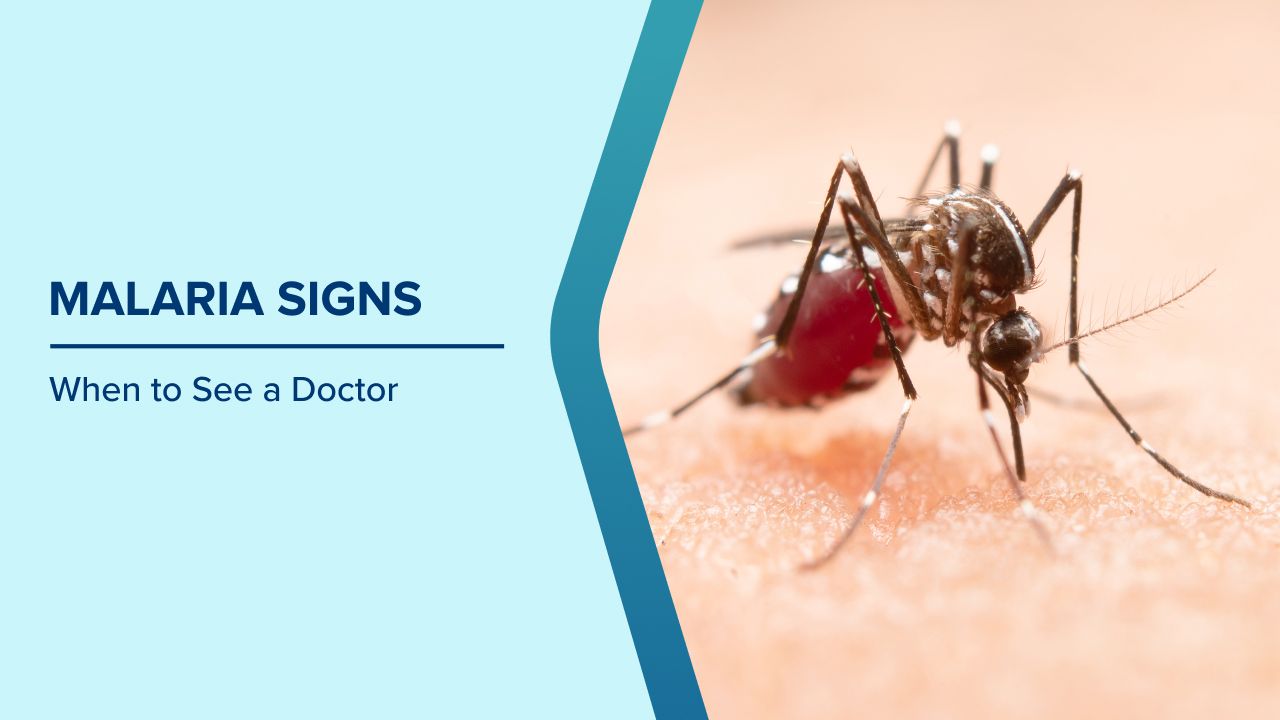
Malaria is a mosquito-borne infection transmitted by the bite of an infected mosquito. Common malaria symptoms include fever, chills, headache, and body aches, which often resemble the flu. However, knowing when to see a doctor is crucial, especially if symptoms persist or worsen. A fever with chills, malaria pattern should never be ignored, particularly in high-risk areas. Early diagnosis and treatment can prevent serious complications and ensure faster recovery.
What Is Malaria?
Malaria is an infectious disease caused by parasites transmitted through the bite of infected female Anopheles mosquitoes. Once inside the body, the parasite affects the liver and red blood cells.
How Malaria Spreads
● Through bites of infected mosquitoes
● Common in tropical and subtropical regions
Why Early Detection Matters
Early diagnosis helps prevent complications and reduces the severity of illness. Delayed treatment can lead to serious health risks.
Common Symptoms of Malaria
The symptoms of malaria in adults often begin like a mild viral illness but can worsen quickly.
Typical Malaria Symptoms
● Fever, often high and recurring
● Chills and shivering (fever with chills)
● Sweating after fever episodes
● Headache
● Body aches and muscle pain
● Nausea or vomiting
● General weakness
These symptoms may come and go in cycles, which is a characteristic feature of malaria.
Read More: Impact of Malaria: Debunking Myths & Lifestyle Tips for Malaria Awareness
Early Signs of Malaria You Should Not Ignore
The early signs of malaria can be subtle and easily mistaken for common infections.
Watch for These Early Symptoms
● Repeated episodes of fever at regular intervals
● Unusual fatigue or weakness
● Mild flu-like symptoms (headache, body pain)
● Loss of appetite
● Slight chills or sweating
When Should You See a Doctor for Malaria Symptoms?
Knowing when to see a doctor for malaria is critical to avoid complications.
Seek Medical Attention Immediately If You Have:
● Fever lasting more than 1–2 days
● High fever with chills that comes and goes
● Symptoms that are worsening over time
● Recent travel to or stay in a malaria-prone area
● No improvement with basic home care
● Persistent headache, nausea, or weakness
Warning Signs of Severe Malaria
Severe malaria is a medical emergency and requires immediate treatment.
Severe Malaria Symptoms
● Very high fever
● Confusion, drowsiness, or altered consciousness
● Difficulty breathing
● Persistent vomiting
● Seizures
● Severe weakness or inability to stand
Who Is at Higher Risk of Severe Malaria?
Certain groups are more vulnerable to complications.
High-Risk Individuals
● Young children
● Pregnant women
● Elderly individuals
● People with weakened immune systems
These individuals should seek medical care at the earliest signs of illness.
Read More: Malaria Recovery Time: Diagnosis, Treatment & Prevention
Why Early Medical Treatment Is Important
Timely treatment is crucial for effectively managing malaria.
Benefits of Early Treatment
● Prevents progression to severe malaria
● Reduces risk of complications
● Ensures faster recovery
● Lowers the risk of hospitalisation
Ignoring symptoms or delaying treatment can significantly worsen the condition.
How Malaria Is Diagnosed
Diagnosis is straightforward and is usually confirmed by laboratory tests.
Common Diagnostic Methods
● Blood tests to detect malaria parasites
● Rapid diagnostic tests (RDTs) for quick results
Early testing ensures appropriate treatment is started without delay.
What Happens If Malaria Is Left Untreated?
Untreated malaria can lead to serious and life-threatening complications.
Possible Malaria Complications
● Severe anaemia
● Organ damage (brain, kidneys, lungs)
● Respiratory distress
● Coma in severe cases
Prompt medical care is essential to prevent these outcomes.
Preventing Malaria
Prevention is key, especially in high-risk areas.
Preventive Measures
● Use mosquito nets, especially at night
● Apply mosquito repellents
● Wear protective clothing
● Eliminate stagnant water around living areas
● Stay informed about malaria-prone regions
Simple precautions can significantly reduce the risk of infection.
Conclusion
Malaria is a serious but treatable condition when identified early. Recognising malaria symptoms, especially fever with chills, and knowing when to see a doctor can prevent complications. Warning signs such as persistent fever or worsening symptoms should never be ignored. Early diagnosis, timely treatment, and preventive measures play a key role in reducing the impact of malaria. Seeking medical care at the right time can help ensure a safer, quicker recovery.
Frequently Asked Questions
Can malaria symptoms go away without treatment?
Symptoms may temporarily reduce, but the infection remains in the body and can worsen without proper treatment.
How quickly do malaria symptoms appear after a mosquito bite?
Symptoms usually appear within 10–15 days after infection, but this can vary depending on the parasite type.
Is every fever a sign of malaria?
No, not all fevers are malaria. However, fever with chills in endemic areas should be evaluated promptly.
Can malaria come back after treatment?
Yes, some types of malaria can relapse if not completely treated.
How long does malaria last with treatment?
With proper treatment, symptoms usually improve within a few days, though full recovery may take longer.
Can malaria spread from person to person?
No, malaria does not spread directly from person to person. It spreads through infected mosquito bites.
Written and Verified by:

Related Blogs


Dr. Vandana Boobna In Internal Medicine
Nov 08 , 2020 | 2 min read
Blogs by Doctor

Healthy Sleep Habits for Men Above 40: Your Guide to Restful Nights
Dr A. Zeenat Ahmed In Internal Medicine
Jun 25 , 2025 | 4 min read
How to Avoid Stress in the Workplace: Real Tips to Stay Calm and Focused
Dr A. Zeenat Ahmed In Internal Medicine
Jun 25 , 2025 | 4 min read
Most read Blogs


Related Blogs
Dr. Vandana Boobna In Internal Medicine
Nov 08 , 2020 | 2 min read
Blogs by Doctor
Healthy Sleep Habits for Men Above 40: Your Guide to Restful Nights
Dr A. Zeenat Ahmed In Internal Medicine
Jun 25 , 2025 | 4 min read
How to Avoid Stress in the Workplace: Real Tips to Stay Calm and Focused
Dr A. Zeenat Ahmed In Internal Medicine
Jun 25 , 2025 | 4 min read
Most read Blogs