 WhatsApp Us (24/7)
 +91 926 888 0303 (24/7)


To Book an Appointment
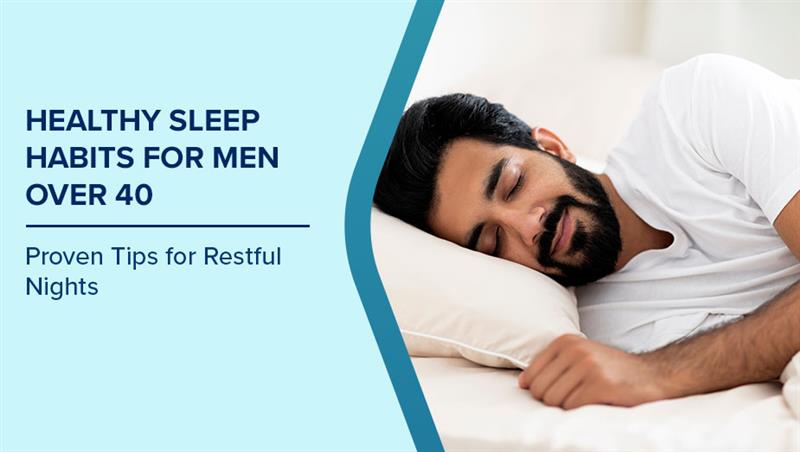
Call Us+91 926 888 0303Healthy Sleep Habits for Men Above 40: Your Guide to Restful Nights
By Dr A. Zeenat Ahmed in Internal Medicine
Jun 25 , 2025 | 4 min read

As men cross the milestone of 40, getting a good night's sleep often becomes more challenging. Whether it's due to changing hormones, increased stress, or health issues that sneak up with age, sleep can feel less restorative than it used to. But quality sleep isn't just a luxury—it's vital for staying sharp, fit, and emotionally balanced.
Why Sleep Changes After 40
As men age, several changes in the body can affect sleep:
- Lower testosterone levels can lead to lighter, more fragmented sleep.
- Stress and lifestyle demands often increase in your 40s, keeping your mind racing at night.
- Medical conditions like sleep apnea, acid reflux, or prostate issues (like frequent urination at night) can interrupt sleep.
Understanding what's going on is the first step toward solving the problem.
How to Sleep Better After 40: Key Strategies That Work
Let's explore some actionable sleep tips that can help men over 40 achieve better rest.
Stick to a Sleep Schedule
Your body loves consistency. Going to bed and waking up at the same time every day—even on weekends—helps regulate your internal clock.
Pro tip: Set a bedtime alarm, not just a morning one. It's a gentle reminder to wind down.
Create a Healthy Sleep Environment
Your bedroom should be a sleep-friendly zone. Here's how:
- Keep the room cool and dark
- Use blackout curtains or an eye mask
- Minimise noise with earplugs or a white noise machine
- Invest in a supportive mattress and pillows
Limit Caffeine and Alcohol
Caffeine can stay in your system for 6–8 hours. Try to avoid it after 2 pm. And while alcohol might make you feel sleepy, it disrupts deep sleep stages later in the night.
Exercise Regularly (But Not Too Late)
Regular physical activity helps you fall asleep faster and sleep more soundly. Just avoid intense workouts within two hours of bedtime.
Establish a Pre-Sleep Routine
Having a wind-down routine signals to your brain that it's time to sleep. Try:
- Taking a warm shower
- Reading a book (not on a screen)
- Stretching or light yoga
- Listening to calming music
This is a straightforward approach to establishing a healthy sleep routine for middle-aged men.
Natural Sleep Remedies for Men Over 40
Before turning to prescription sleep aids, consider these natural options:
- Magnesium: Consuming a magnesium supplement or incorporating magnesium-rich foods like spinach, almonds, or bananas into your diet can help the body relax before bed.
- Chamomile or Herbal Tea: Caffeine-free teas, such as chamomile, have mild sedative effects that promote calmness.
- Melatonin Supplements: Melatonin is a hormone your body naturally makes. Taking a low-dose supplement 30–60 minutes before bedtime can help reset your sleep cycle, especially if you're dealing with insomnia or jet lag.
- Essential Oils: Lavender essential oil, when used in a diffuser or applied to your pillow, can promote relaxation and enhance sleep quality.
Sleep Tips for Men Over 40 with Health Issues
Certain health concerns can sneak in after 40, affecting sleep. Here's how to manage them:
- Frequent Urination (Nocturia): Reduce fluid intake 2–3 hours before bedtime and avoid diuretics like alcohol or caffeine. Consult your doctor if the issue persists.
- Sleep Apnea: This condition is common in middle-aged men and is characterised by loud snoring and interrupted breathing during sleep. A sleep study can help diagnose it, and treatment like CPAP therapy can vastly improve sleep.
- Chronic Stress or Anxiety: Mindfulness meditation, journaling, or cognitive behavioural therapy (CBT) can help calm a racing mind at bedtime.
Improve Sleep Quality After 40 by Rethinking Your Daytime Habits
- Don't underestimate the impact of what you do in the day on your night's sleep.
- Get natural sunlight in the morning to regulate your sleep-wake cycle.
- Avoid long naps—if you must nap, keep it under 30 minutes.
- Watch your screen time. The blue light from phones and tablets tricks your brain into thinking it's daytime. Limit screen use 1–2 hours before bed.
Conclusion
Sleep is one of the most powerful tools you have for maintaining energy, mental clarity, and overall health as you age. Don't ignore poor sleep—it's not just "part of getting older." With small, consistent changes to your routine, you can sleep better, feel better, and live more fully in your 40s and beyond.
Frequently Asked Questions
Can weight gain after 40 affect sleep?
Yes, weight gain, especially around the neck and abdomen, can increase the risk of sleep apnea and snoring, both of which can disrupt sleep. A healthy diet and regular exercise help improve sleep and reduce these risks.
Should I avoid sleeping pills?
Short-term use under medical supervision might be okay, but long-term use can lead to dependence and poor-quality sleep. Natural remedies and behavioural changes are safer options.
Is it normal to wake up during the night after 40?
Yes, but frequent awakenings that affect how you feel during the day should be discussed with a doctor. It could be due to health conditions, stress, or poor sleep habits.
What's the best sleep position for men over 40?
Sleeping on your side, especially the left side, is generally better for digestion and can reduce issues like acid reflux and snoring.
Can late-night eating affect my sleep?
Yes, eating heavy meals or spicy foods late at night can cause indigestion or acid reflux, which can lead to restless sleep. Try to eat dinner at least 2–3 hours before bedtime.
Written and Verified by:

Related Blogs


Dr. Vandana Boobna In Internal Medicine
Nov 08 , 2020 | 2 min read
Blogs by Doctor
How to Avoid Stress in the Workplace: Real Tips to Stay Calm and Focused
Dr A. Zeenat Ahmed In Internal Medicine
Jun 25 , 2025 | 4 min read

Hidden Dangers of Excess Weight: How It Quietly Affects Your Health
Dr A. Zeenat Ahmed In Internal Medicine
Nov 10 , 2025 | 5 min read
Most read Blogs


Related Blogs
Dr. Vandana Boobna In Internal Medicine
Nov 08 , 2020 | 2 min read
Blogs by Doctor
How to Avoid Stress in the Workplace: Real Tips to Stay Calm and Focused
Dr A. Zeenat Ahmed In Internal Medicine
Jun 25 , 2025 | 4 min read
Hidden Dangers of Excess Weight: How It Quietly Affects Your Health
Dr A. Zeenat Ahmed In Internal Medicine
Nov 10 , 2025 | 5 min read
Most read Blogs