 WhatsApp Us (24/7)
 +91 926 888 0303 (24/7)


To Book an Appointment
Call Us+91 926 888 0303TAVI (Transcatheter Aortic Valve Implantation): Risk, Recovery & Benefits
By Dr. Naveen Bhamri in Cardiac Sciences , Cardiology , Interventional Cardiology , Cardiac Electrophysiology-Pacemaker
Jul 02 , 2025 | 4 min read

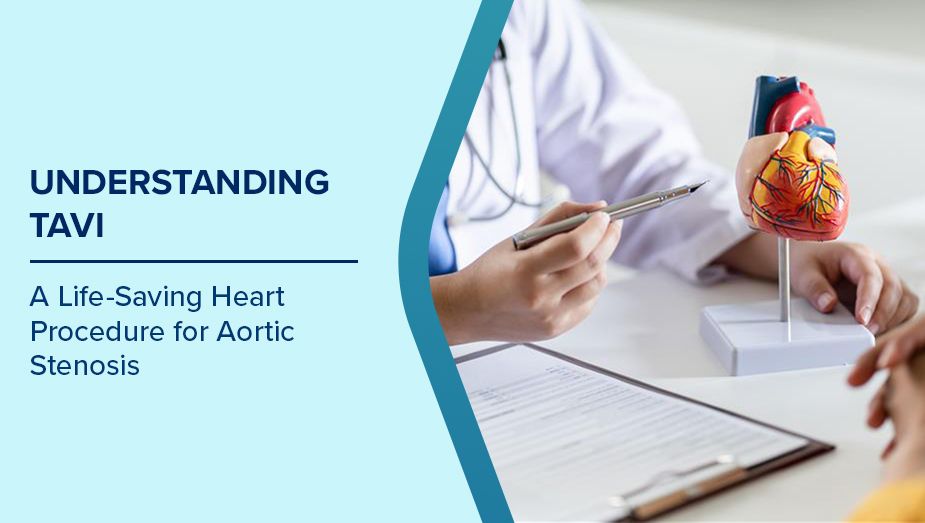
Your heart works tirelessly to keep you alive, and when one of its valves becomes narrowed or blocked, it can lead to serious health issues. Aortic stenosis is one such condition that affects the heart's ability to pump blood effectively. However, a medical procedure called TAVI (Transcatheter Aortic Valve Implantation) is changing lives across the world. It offers a minimally invasive heart valve replacement option, especially for those who are not ideal candidates for open-heart surgery.
What is Aortic Stenosis?
Aortic stenosis is a condition where the aortic valve in the heart becomes narrow or stiff. This makes it difficult for blood to flow from the heart to the rest of the body. Over time, the heart has to work harder to pump blood, which can lead to symptoms like:
- Chest pain or tightness
- Shortness of breath, especially during activity
- Fatigue
- Feeling faint or dizzy
- Irregular heartbeat
If left untreated, severe aortic stenosis can lead to heart failure and even death. Traditionally, open-heart surgery was the standard treatment, but not everyone is healthy enough to undergo such an invasive procedure. That's where TAVI comes in.
Understanding TAVI (Transcatheter Aortic Valve Implantation)
TAVI, also known as TAVR (Transcatheter Aortic Valve Replacement), is a non-surgical heart valve replacement procedure. It allows doctors to replace the diseased aortic valve without removing it or opening the chest.
Here's how it works:
- A thin, flexible tube called a catheter is inserted through a blood vessel, usually in the leg (femoral artery).
- The new artificial valve, which is collapsed like a stent, is guided through the catheter to the heart.
- Once it reaches the damaged aortic valve, the new valve is expanded, pushing the old valve leaflets aside.
- The new valve then starts functioning immediately.
TAVI is performed in a catheterization lab under local or general anaesthesia, and patients are often awake or lightly sedated.
Who is a Candidate for TAVI?
TAVI was initially introduced for elderly or high-risk patients who could not undergo open-heart surgery. Today, the scope has widened.
You may be a suitable candidate for TAVI if you:
- Are above the age of 65
- Have severe aortic stenosis with symptoms
- Are considered high-risk for open-heart surgery due to age or other health issues (like diabetes, lung disease, or kidney problems)
- Prefer a minimally invasive heart valve replacement option
Doctors usually perform a series of tests, including echocardiogram, CT scans, and angiography, to determine if TAVI is the right option for you.
Benefits of TAVI Compared to Open-Heart Surgery
Many patients in India are now opting for TAVI procedures due to the clear advantages it offers, especially when it comes to safety and comfort.
Here are some key benefits:
- Minimally invasive: No large chest incisions or cutting through the breastbone
- Faster recovery time: Patients often go home within a few days
- Lower risk of complications: This is especially important for elderly or fragile patients
- Less pain and quicker mobility
- No need for heart-lung bypass machines in many cases
Recovery After TAVI
Recovery time after TAVI is much shorter than open-heart surgery. Most patients can start moving within a day or two and are discharged within 3 to 5 days. Here's what to expect:
- Mild soreness at the catheter insertion site
- Monitoring in a hospital for any irregular heart rhythms or other complications
- Gradual return to regular activities within a couple of weeks
- A follow-up visit within a month to check the new valve function
Lifestyle adjustments such as quitting smoking, managing blood pressure, and following a heart-healthy diet are essential after the procedure.
Risks and Considerations
Like any medical procedure, TAVI does carry some risks. These include:
- Bleeding or infection at the catheter site
- Irregular heartbeats or need for a pacemaker
- Valve leakage (though this is rare with newer valves)
- Kidney complications
However, with proper screening and post-procedure care, most patients recover well. Choosing an experienced heart team is crucial for better outcomes.
Conclusion
TAVI has been a life-saving heart procedure for thousands of patients around the world, including India. It provides a safe, effective, and minimally invasive option for those suffering from severe aortic stenosis, especially when surgery is not ideal.
Frequently Asked Questions
Can TAVI be repeated if the valve fails later?
Yes, in many cases, a second valve can be placed inside the first one using the same catheter-based approach. This is known as a valve-in-valve TAVI procedure.
What lifestyle changes should I make after TAVI?
After the procedure, it's important to maintain a heart-healthy lifestyle. This includes regular walking or light exercise, avoiding tobacco, limiting alcohol consumption, following a low-sodium diet, and scheduling regular follow-ups with your doctor.
Is TAVI better than surgical valve replacement?
TAVI is not better or worse in general, but it may be the best option for people at high surgical risk. For younger or low-risk patients, open surgery might still be the preferred choice based on long-term outcomes.
Can TAVI help if I have both aortic stenosis and other heart problems?
Yes, TAVI can be considered even if you have other heart conditions like coronary artery disease or heart failure. Your cardiologist will assess the risks and benefits through detailed scans and tests before recommending the procedure.
How long does a transcatheter aortic valve last?
Most TAVI valves are designed to last 10 to 15 years, depending on factors such as age, lifestyle, and overall health.
Written and Verified by:

Related Blogs

Dr. Ritwick Raj Bhuyan In Cardiac Sciences , Cardiac Surgery (CTVS)
Nov 08 , 2020 | 2 min read

Dr. Gaurav Minocha In Cardiac Sciences
Nov 08 , 2020 | 4 min read
Blogs by Doctor

Rise in cases of asymptomatic heart attacks amongst middle aged people
Dr. Naveen Bhamri In Cardiac Sciences
Nov 08 , 2020 | 4 min read

What Do You Need to Know About Primary and Secondary Prevention Of CAD?
Dr. Naveen Bhamri In Cardiac Sciences
Nov 08 , 2020 | 2 min read
Most read Blogs


Related Blogs
Dr. Ritwick Raj Bhuyan In Cardiac Sciences , Cardiac Surgery (CTVS)
Nov 08 , 2020 | 2 min read
Dr. Gaurav Minocha In Cardiac Sciences
Nov 08 , 2020 | 4 min read
Blogs by Doctor
Rise in cases of asymptomatic heart attacks amongst middle aged people
Dr. Naveen Bhamri In Cardiac Sciences
Nov 08 , 2020 | 4 min read
What Do You Need to Know About Primary and Secondary Prevention Of CAD?
Dr. Naveen Bhamri In Cardiac Sciences
Nov 08 , 2020 | 2 min read
Most read Blogs