 WhatsApp Us (24/7)
 +91 926 888 0303 (24/7)


To Book an Appointment
Call Us+91 926 888 0303Understanding Low Blood Pressure: Causes, Risks and Symptoms
By Dr. Anupam Goel in Cardiac Sciences
Jan 16 , 2026

Blood pressure is the force of blood pushing against the walls of arteries as it circulates through the body, making it highly important that it stays within a normal range. However, sometimes blood pressure can drop below the normal level, a condition known as low blood pressure or hypotension. In most cases, this dip is temporary and not a cause for concern, as it usually returns to normal on its own. But in some situations, low blood pressure may lead to symptoms that require medical attention. To help you understand this better, this blog will cover what low blood pressure means, its possible causes, symptoms to watch out for, and when it could indicate a more serious health issue. Let’s dive in.
What is Considered Low Blood Pressure?
Blood pressure readings are measured in two numbers: systolic (the top number) and diastolic (the bottom number), expressed as millimeters of mercury (mmHg). For most adults, a normal blood pressure reading is around 120/80 mmHg.
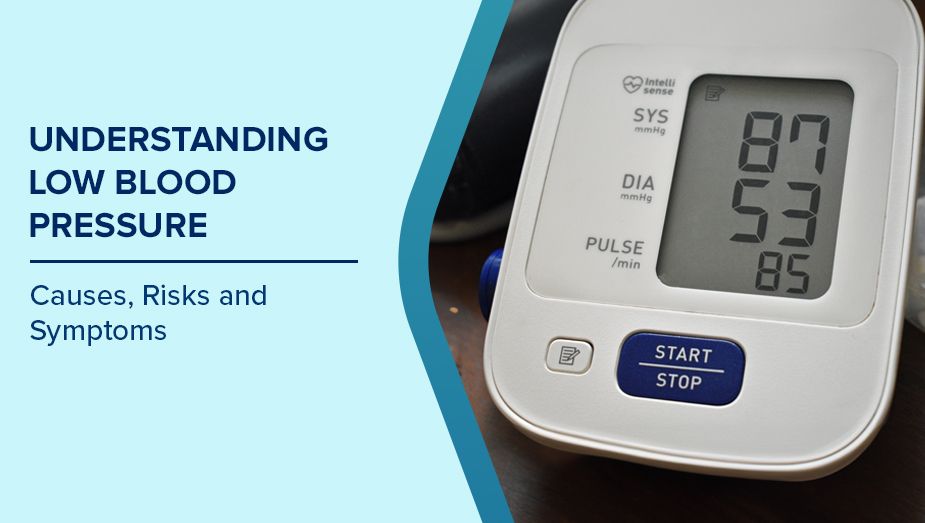
Low blood pressure, or hypotension, is generally defined as readings below 90/60 mmHg meaning both the systolic and diastolic pressures have dropped below these thresholds.
However, it's important to remember that this 90/60 benchmark isn't a universal rule for everyone. Some people naturally have lower blood pressure throughout their lives and feel perfectly fine with readings in the 80s or even lower. For these individuals, their body has adapted to function optimally at a lower pressure point, so their naturally low readings aren't necessarily a concern.
What are the Different Types of Low Blood Pressure?
Low blood pressure can occur in different forms, depending on when and why it happens. The main types include:
Orthostatic (Postural) Hypotension
This type occurs when blood pressure drops suddenly after standing up from a sitting or lying position. The sudden change can cause dizziness, lightheadedness, or even fainting. Orthostatic hypotension is often linked to dehydration, certain medications, or problems with the nervous system that control blood pressure.
Postprandial Hypotension
Postprandial hypotension happens after eating a meal. Blood flow increases to the digestive system, sometimes causing a temporary drop in blood pressure elsewhere in the body. Elderly are more commonly affected. Symptoms may include dizziness, blurred vision, or fatigue following meals.
Neurally Mediated Hypotension
This type typically affects younger individuals and occurs after standing for long periods or following certain emotional or physical triggers. The nervous system misfires, causing a sudden drop in blood pressure. Symptoms can include dizziness, fainting, nausea, and sometimes a rapid heartbeat.
Severe Hypotension from Shock
This is a dangerous and sudden drop in blood pressure caused by critical conditions such as severe infections (septic shock), major blood loss, or heart problems. It can be life-threatening and requires immediate medical attention. Symptoms may include confusion, cold or clammy skin, rapid breathing, and weak pulse.
Chronic or Persistent Hypotension
Some people naturally have lower blood pressure without experiencing any symptoms. While this is generally not harmful, persistent hypotension caused by underlying medical conditions, such as adrenal insufficiency, thyroid problems, or certain heart diseases, needs evaluation and monitoring.
What Causes Low Blood Pressure?
Low blood pressure, or hypotension, can result from a wide range of factors, as explained below:
Dehydration and Fluid Loss
When the body loses more water than it takes in, blood volume decreases, which can lower blood pressure. Dehydration can result from not drinking enough fluids, excessive sweating, diarrhoea, vomiting, fever, or prolonged illness. Reduced blood volume makes it harder for the heart to pump enough blood to the organs, causing symptoms like dizziness, weakness, and in severe cases, fainting.
Heart-Related Conditions
The heart plays a central role in maintaining blood pressure. Conditions that reduce the heart’s ability to pump effectively can lead to hypotension. These include a very slow heartbeat (bradycardia), heart valve disorders, heart failure, and heart attacks. When the heart cannot circulate blood efficiently, organs receive less oxygen and nutrients, often leading to fatigue, shortness of breath, and lightheadedness.
Endocrine and Hormonal Disorders
Hormonal imbalances can disrupt the body’s regulation of blood pressure. Disorders such as adrenal insufficiency (Addison’s disease), hypothyroidism, hyperthyroidism, and low blood sugar (hypoglycemia) can all contribute to hypotension. These conditions interfere with vascular tone, metabolism, and fluid balance, sometimes causing chronic low blood pressure or sudden drops in certain situations.
Severe Blood Loss
Loss of a significant amount of blood, whether due to trauma, surgery, or internal bleeding, reduces the overall blood volume, resulting in hypotension. This sudden drop can be dangerous and may cause rapid heartbeat, confusion, pallor, or fainting.
Severe Infection (Septic Shock)
A serious infection can trigger systemic inflammation, causing blood vessels to dilate and blood pressure to drop dangerously low. Septic shock is life-threatening and requires immediate medical attention. Symptoms often include rapid breathing, confusion, weakness, and cold or clammy skin.
Medications
Certain medications can lower blood pressure, either as a side effect or due to overuse. Common examples include:
- Antihypertensive drugs (for high blood pressure)
- Diuretics
- Some antidepressants
- Parkinson’s medications
- Painkillers at high doses
The effect may vary depending on the person’s health and the dosage of the medication.
Nutritional Deficiencies
A lack of key nutrients can reduce the blood’s capacity to transport oxygen, contributing to hypotension. Deficiencies in vitamin B12, folate, and iron can lead to anaemia, which may manifest as fatigue, weakness, and dizziness. Chronic nutritional deficiencies can cause persistent low blood pressure if left unaddressed.
Prolonged Bed Rest or Immobility
Extended periods of inactivity, such as long-term bed rest or sedentary lifestyles, can impair the body’s ability to regulate blood pressure. Standing up suddenly after prolonged immobility may trigger dizziness or fainting due to the temporary drop in blood pressure.
Pregnancy
During pregnancy, blood vessels expand to support the developing fetus, which can lower blood pressure. Mild hypotension is common, especially in the first and second trimesters. However, sudden or severe drops in blood pressure during pregnancy should be evaluated promptly.
Severe Allergic Reactions (Anaphylaxis)
Anaphylaxis, a severe allergic reaction, can cause a rapid and dramatic drop in blood pressure. This reaction often accompanies difficulty breathing, swelling, and hives. Anaphylaxis is a medical emergency that requires immediate treatment.
Neurological Disorders
Diseases affecting the nervous system, such as Parkinson’s disease, multiple system atrophy, or autonomic neuropathy, can interfere with blood pressure regulation. These conditions may result in recurrent hypotension, particularly when changing posture or during stress.
Shock from Trauma or Illness
Shock caused by major injuries, burns, or severe infections leads to a sudden and significant fall in blood pressure. In such cases, organs may not receive sufficient blood, necessitating urgent medical intervention.
Postprandial and Situational Hypotension
Some people experience low blood pressure after specific triggers. Postprandial hypotension occurs after meals, particularly large or carbohydrate-heavy ones, while neurally mediated hypotension can happen after standing for long periods or during emotional stress. Though usually temporary, these episodes can cause dizziness, fainting, or imbalance.
Genetic or Idiopathic Factors
Certain individuals naturally have lower blood pressure without any clear cause. While generally harmless, this natural hypotension can occasionally lead to symptoms like fatigue or lightheadedness, especially if combined with other factors such as dehydration or illness.
Other Contributing Factors
- Severe malnutrition or rapid weight loss
- Chronic infections that affect blood volume or vascular function
- Excessive alcohol consumption, which can dilate blood vessels and lower blood pressure
- Extreme heat exposure, leading to dehydration and vessel dilation
Who is at Risk of Developing Low Blood Pressure?
Low blood pressure can affect people of all ages, but certain groups are more susceptible, as listed below:
- Elderly: Aging affects the body’s ability to regulate blood pressure. Changes in the nervous system make blood vessels less responsive, increasing the risk of orthostatic hypotension, dizziness, and falls. Older adults are also more prone to dehydration and heart-related conditions that can contribute to hypotension.
- Pregnant Women: During pregnancy, blood vessels expand to support the growing foetus, which can lower blood pressure. Mild hypotension is common, especially in the first and second trimesters. Low BP symptoms in pregnant women include dizziness, fainting, or fatigue.
- People with Heart Conditions: Conditions such as bradycardia (slow heart rate), heart valve disorders, heart failure, or a recent heart attack reduce the heart’s ability to pump blood effectively, increasing the risk of low blood pressure and related symptoms such as fatigue, shortness of breath, and dizziness.
- Individuals with Endocrine or Hormonal Disorders: Disorders affecting hormone production or regulation, such as adrenal insufficiency (Addison’s disease), hypothyroidism, hyperthyroidism, or diabetes, can interfere with the body’s blood pressure regulation, making hypotension more likely.
- People on Certain Medications: Medications such as antihypertensives, diuretics, antidepressants, and Parkinson’s drugs can lower blood pressure. The risk increases if multiple medications are taken together or if dosages are adjusted without medical guidance.
- Those with Chronic Illnesses: Chronic diseases such as diabetes, kidney disease, and neurological disorders (e.g., Parkinson’s disease or autonomic neuropathy) can impair the body’s blood pressure regulation, leading to persistent or episodic hypotension.
- People Experiencing Dehydration or Malnutrition: Inadequate fluid intake, excessive sweating, vomiting, diarrhoea, or poor nutrition can reduce blood volume and lower blood pressure. Older adults, athletes, and individuals with illnesses causing fluid loss are particularly vulnerable.
- Individuals Prone to Situational or Postural Hypotension: Some people experience blood pressure drops after meals (postprandial hypotension) or after standing for long periods or during emotional stress (neurally mediated hypotension). In cases like these, low blood pressure causes dizziness, fainting, or imbalance, even in otherwise healthy individuals.
- Genetic or Naturally Low Blood Pressure: Some individuals naturally have lower-than-average blood pressure without any health problems. While generally harmless, these people may be more sensitive to triggers such as dehydration, illness, or certain medications.
What are the Symptoms of Low Blood Pressure?
Low blood pressure may not always cause noticeable symptoms, especially if it develops gradually or naturally. However, when blood pressure drops significantly or suddenly, it can affect blood flow to the brain and other organs, resulting in various signs and symptoms.
- Dizziness or Lightheadedness: Often occurs when standing up quickly (orthostatic hypotension) because the brain temporarily receives less blood flow, making you feel unsteady or as if the room is spinning.
- Fainting (Syncope): A sudden or severe drop in blood pressure can cause the brain to get insufficient oxygen, leading to temporary loss of consciousness. This may happen after dehydration, prolonged standing, or an underlying medical condition.
- Blurred or Tunnel Vision: Reduced blood flow to the eyes can cause temporary visual disturbances, including blurred or narrowed vision. This is often noticed alongside dizziness or lightheadedness.
- Fatigue or Weakness: Low blood pressure can limit oxygen delivery to muscles and organs, resulting in unusual tiredness, weakness, or lack of energy even after minimal physical activity.
- Nausea: Inadequate blood flow to the digestive system or brain can trigger queasiness, upset stomach, or an overall feeling of sickness. This symptom is sometimes linked with dizziness or fainting episodes.
- Rapid, Shallow Breathing: The body may attempt to compensate for low blood pressure by increasing the breathing rate to deliver more oxygen to vital organs, leading to a feeling of breathlessness or shallow breathing.
- Cold, Clammy, or Pale Skin: Reduced circulation to the skin can make it feel cold, look pale, or become clammy to the touch, particularly during sudden drops in blood pressure or shock.
- Confusion or Difficulty Concentrating: Insufficient oxygen reaching the brain can result in mental fog, confusion, or difficulty focusing on tasks. This is especially common in older adults or during severe hypotension episodes.
- Thirst: Often a sign of dehydration, which both causes and worsens low blood pressure. Persistent thirst may indicate low blood volume affecting overall circulation.
- Chest Pain or Palpitations: In cases related to heart problems, low blood pressure can cause chest discomfort, pressure, or irregular heartbeat due to reduced oxygen supply to the heart muscles.
- Headache: Sudden drops in blood pressure may trigger headaches, often accompanied by dizziness or blurred vision.
- Cold Hands and Feet: Poor circulation caused by low blood pressure can make extremities feel cold or numb, sometimes accompanied by tingling sensations.
- Rapid or Weak Pulse: As the body compensates for low blood pressure, the heart may beat faster, but the pulse may feel weak, irregular, or difficult to detect.
When is Low Blood Pressure a Medical Emergency?
Most cases of low blood pressure are mild and temporary, often resolving on their own or with simple lifestyle measures. However, there are situations where hypotension can signal a serious medical condition that requires immediate attention, including:
- Severe Dizziness or Fainting: If low blood pressure leads to repeated or prolonged fainting, it may indicate that the brain isn’t receiving enough oxygen, increasing the risk of injury or underlying heart or neurological problems.
- Confusion or Disorientation: Sudden confusion, difficulty thinking clearly, or loss of consciousness can be a sign that blood flow to the brain is critically low, which may result from shock, severe infection, or heart problems.
- Rapid, Weak, or Irregular Pulse: A weak, irregular, or unusually fast heartbeat combined with low blood pressure may indicate heart failure, arrhythmia, or other serious cardiovascular issues.
- Cold, Clammy, or Pale Skin: If the skin feels cold, appears pale, or is clammy, it could be a sign of shock, major blood loss, or a severe infection, all of which require urgent medical care.
- Severe Chest Pain or Shortness of Breath: Low blood pressure accompanied by chest pain or difficulty breathing can indicate a heart attack or other life-threatening cardiac conditions.
- Persistent Vomiting or Diarrhoea: Severe fluid loss from vomiting or diarrhoea can lead to dangerously low blood pressure, dehydration, and electrolyte imbalance, requiring medical treatment.
- Signs of Severe Allergic Reaction (Anaphylaxis): Symptoms such as swelling, hives, difficulty breathing, or sudden dizziness with low blood pressure signal a life-threatening allergic reaction that demands immediate intervention.
- Severe Infection or Septic Shock: Fever, rapid heartbeat, confusion, and extremely low blood pressure together may indicate septic shock, a medical emergency that can quickly damage organs.
Consult Today
Low blood pressure might not always be obvious, but when symptoms appear, it’s time to take note. If any of the symptoms and signs mentioned above feel familiar or if low blood pressure keeps recurring, it might be time to get checked. A cardiologist at Max Hospital can help figure out what’s causing it and suggest the right approach to keep your blood pressure within a safe range.
Written and Verified by:

Related Blogs

Dr. Ritwick Raj Bhuyan In Cardiac Sciences , Cardiac Surgery (CTVS)
Nov 08 , 2020 | 2 min read

Dr. Gaurav Minocha In Cardiac Sciences
Nov 08 , 2020 | 4 min read
Blogs by Doctor


Lifestyle Diseases ((NCDs) in India: Role of Beverages, Junk Food & Poor Diet Choices
Dr. Anupam Goel In Cardiac Sciences , Cardiology , Interventional Cardiology
Jan 17 , 2025 | 1 min read
Most read Blogs


Related Blogs
Dr. Ritwick Raj Bhuyan In Cardiac Sciences , Cardiac Surgery (CTVS)
Nov 08 , 2020 | 2 min read
Dr. Gaurav Minocha In Cardiac Sciences
Nov 08 , 2020 | 4 min read
Blogs by Doctor
Lifestyle Diseases ((NCDs) in India: Role of Beverages, Junk Food & Poor Diet Choices
Dr. Anupam Goel In Cardiac Sciences , Cardiology , Interventional Cardiology
Jan 17 , 2025 | 1 min read
Most read Blogs