 WhatsApp Us (24/7)
 +91 926 888 0303 (24/7)


To Book an Appointment
Call Us+91 926 888 0303Cholesterol Levels: Safe HDL & LDL Ranges for Heart Health
By Dr. Mukul Bhargava in Cardiac Sciences , Cardiology
Oct 07 , 2025 | 1 min read
1

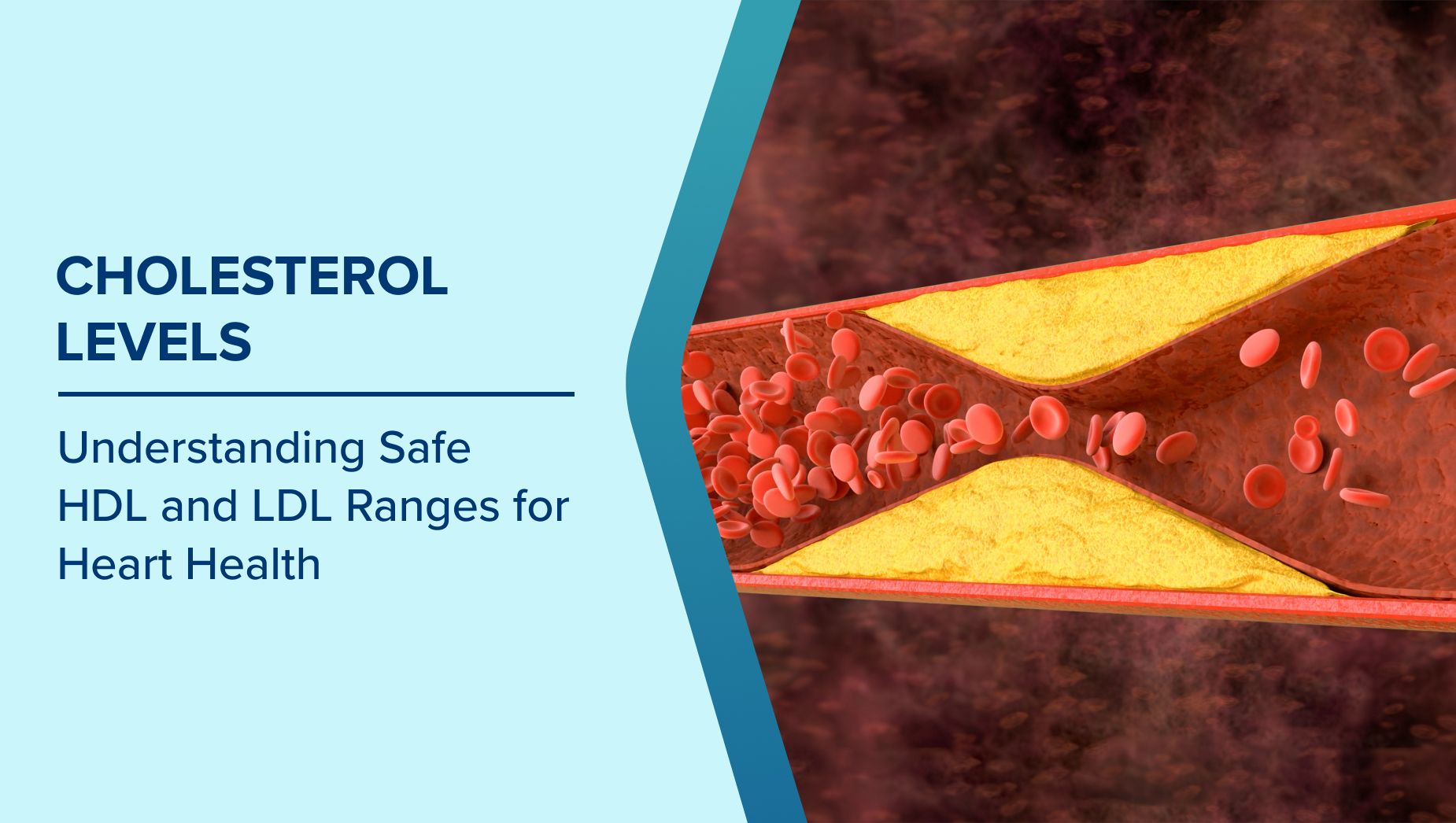
Cholesterol is not inherently harmful. The difference between good and bad cholesterol lies in how it behaves inside your bloodstream. LDL cholesterol (low-density lipoprotein) carries cholesterol from the liver to the arteries. When levels are high, cholesterol can deposit in arterial walls, leading to plaque buildup and atherosclerosis. HDL cholesterol (high-density lipoprotein) does the opposite, it removes excess cholesterol from the bloodstream and transports it back to the liver for disposal.
An imbalance, high LDL and low HDL, increases cardiovascular risk, including heart attack and stroke. Cholesterol levels can often be improved through lifestyle changes, and when necessary, medication such as statins. Understanding your lipid profile is the first step toward effective stroke prevention and long-term heart health.
What Is Cholesterol?
Cholesterol is a waxy, fat-like substance found in every cell of your body. It is essential for life. Your body uses cholesterol to:
- Build cell membranes
- Produce hormones such as estrogen and testosterone
- Make vitamin D
- Form bile acids for digestion
The liver produces most of the cholesterol you need. The rest comes from food. Problems begin when excess cholesterol circulates in the blood. High levels, especially of LDL cholesterol, can lead to inflammation and plaque buildup inside arteries. Over time, this narrows blood vessels and increases the risk of heart attack and stroke.
Types of Cholesterol Explained
LDL (Bad Cholesterol)
LDL cholesterol is often called “bad” because it leads to plaque buildup inside artery walls. These fatty deposits harden and narrow arteries, a process known as atherosclerosis.
High LDL cholesterol increases the risk of:
- Coronary artery disease
- Heart attack
- Stroke
- Peripheral artery disease
Lowering LDL is an effective way to reduce cardiovascular risk.
HDL (Good Cholesterol)
HDL cholesterol is considered “good” because it helps remove excess cholesterol from the bloodstream. It transports cholesterol back to the liver, where it is processed and eliminated. Higher HDL cholesterol levels are associated with:
- Reduced plaque formation
- Lower inflammation
- Better heart protection
However, extremely high HDL does not always guarantee protection, especially if LDL remains elevated.
Triglycerides
Triglycerides are another type of fat in the blood. When you consume more calories than your body needs, excess energy is stored as triglycerides. High triglycerides are linked to:
- Increased cardiovascular risk
- Insulin resistance
- Metabolic syndrome
A complete lipid profile measures total cholesterol, LDL cholesterol, HDL cholesterol, and triglycerides.
Cholesterol Levels Chart
Here is a simplified, snippet-friendly cholesterol levels chart based on standard guidelines:
Total cholesterol
- Desirable: Below 200 mg/dL
- Borderline high: 200–239 mg/dL
- High: 240 mg/dL and above
LDL cholesterol
- Optimal: Below 100 mg/dL
- Near optimal: 100–129 mg/dL
- Borderline high: 130–159 mg/dL
- High: 160–189 mg/dL
- Very high: 190 mg/dL and above
HDL cholesterol
- Low (higher risk): Below 40 mg/dL (men), below 50 mg/dL (women)
- Protective: 60 mg/dL and above
Triglycerides
- Normal: Below 150 mg/dL
- Borderline high: 150–199 mg/dL
- High: 200–499 mg/dL
Your doctor may adjust targets depending on age, diabetes status, and overall cardiovascular risk.
Causes of High Cholesterol
High cholesterol develops from a combination of lifestyle and genetic factors. Common causes include:
- A diet high in saturated and trans fats
- Physical inactivity
- Obesity or central weight gain
- Smoking
- Excess alcohol consumption
- Diabetes
- Hypothyroidism
- Genetic conditions such as familial hypercholesterolemia
Does High Cholesterol Cause Symptoms?
High cholesterol symptoms are usually absent. That is why it is often called a “silent” condition.
Most people discover abnormal levels during routine blood testing. Unfortunately, the first sign of uncontrolled cholesterol may be a heart attack or stroke.
How to Lower Cholesterol Naturally
- Increase soluble fibre (oats, beans, fruits)
- Exercise regularly (at least 150 minutes per week)
- Lose excess weight
- Reduce saturated fat
- Avoid trans fats
- Stop smoking
- Improve sleep quality
- Limit refined carbohydrates
How Long Does It Take to Improve Cholesterol Levels?
- Dietary changes may show improvement in 4–6 weeks
- Exercise effects are noticeable within 6–12 weeks
- Statins reduce LDL cholesterol within 4 weeks
Full cardiovascular risk reduction takes sustained long-term control. Consistency matters more than speed.
When to See a Doctor
- LDL cholesterol above 160–190 mg/dL
- Strong family history of early heart disease
- Diabetes or high blood pressure
- Chest pain or shortness of breath
- Previous stroke or heart attack
Conclusion
Understanding the difference between good and bad cholesterol empowers you to protect your heart. LDL cholesterol drives plaque buildup and increases the risk of a heart attack. HDL cholesterol helps remove excess cholesterol. High cholesterol is silent but dangerous if untreated.
The solution is clear: regular screening, healthy lifestyle habits, and medication when indicated. Prevention today means fewer complications tomorrow.
Frequently Asked Questions
Are eggs bad for cholesterol?
Eggs contain dietary cholesterol but have minimal impact on blood LDL cholesterol in most people. For healthy individuals, moderate egg consumption (one per day) is generally safe. However, those with diabetes or very high cholesterol should discuss limits with their doctor.
Can young adults have high cholesterol?
Yes, genetics, obesity, and poor diet can cause high LDL cholesterol even in people in their 20s or 30s. Early detection prevents premature heart disease.
Does stress increase cholesterol?
Chronic stress may indirectly increase cholesterol by promoting unhealthy habits and raising inflammation. Stress hormones can also influence lipid metabolism.
Is fasting required for a cholesterol test?
Not always. Many lipid profile tests can be done without fasting. However, fasting may be required if triglycerides are significantly elevated.
Can cholesterol be reversed completely?
Plaque buildup can stabilise and sometimes regress with aggressive risk factor control. While not always fully reversible, a substantial reduction in cardiovascular risk is achievable.
What is borderline high cholesterol?
Borderline high total cholesterol ranges from 200 to 239 mg/dL. Lifestyle changes are usually recommended at this stage to prevent progression.
Written and Verified by:

Related Blogs

Dr. Ritwick Raj Bhuyan In Cardiac Sciences , Cardiac Surgery (CTVS)
Nov 08 , 2020 | 2 min read

Dr. Gaurav Minocha In Cardiac Sciences
Nov 08 , 2020 | 4 min read
Blogs by Doctor

Most read Blogs


Related Blogs
Dr. Ritwick Raj Bhuyan In Cardiac Sciences , Cardiac Surgery (CTVS)
Nov 08 , 2020 | 2 min read
Dr. Gaurav Minocha In Cardiac Sciences
Nov 08 , 2020 | 4 min read
Blogs by Doctor
Most read Blogs