 WhatsApp Us (24/7)
 +91 926 888 0303 (24/7)


To Book an Appointment
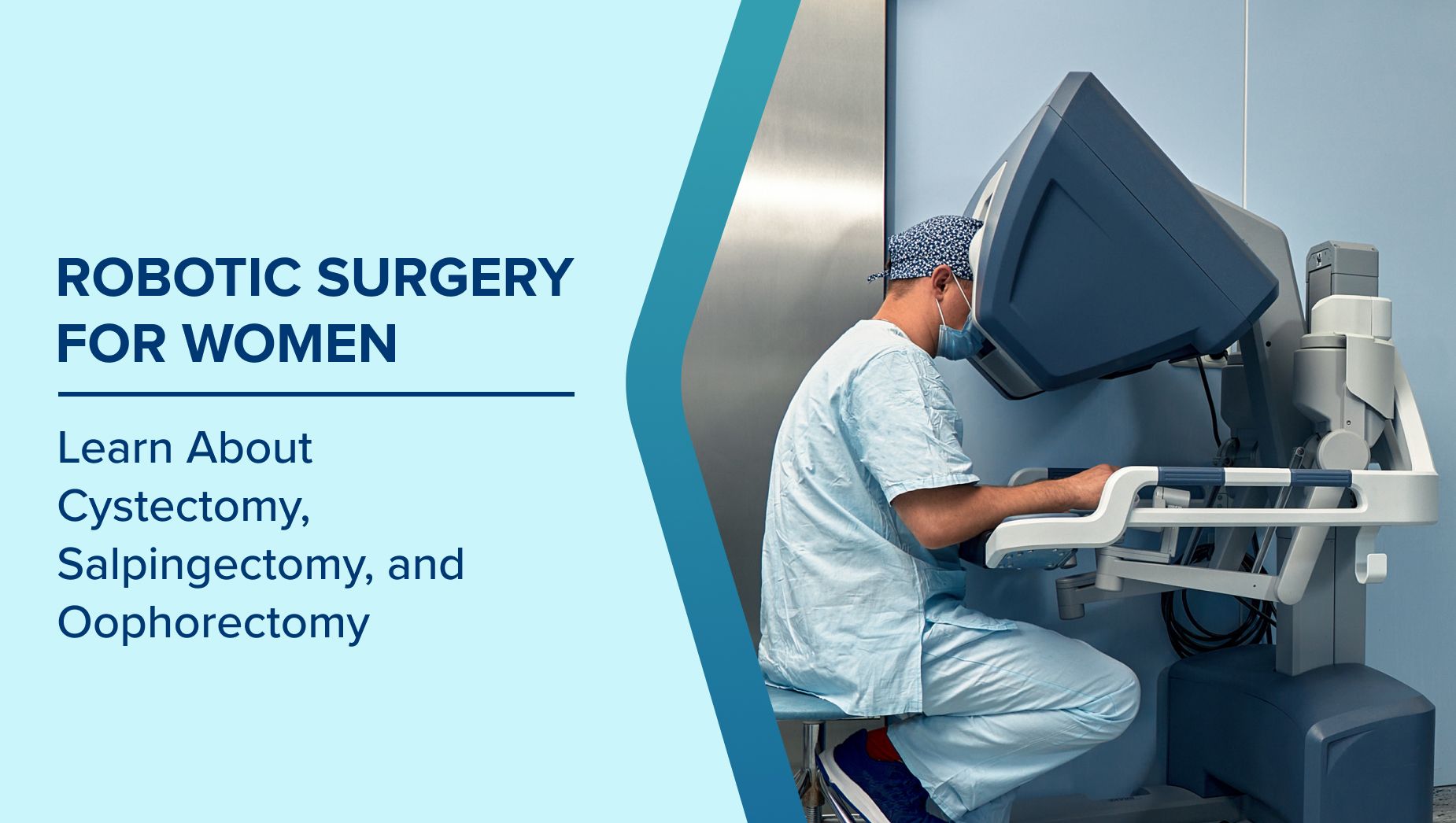
Call Us+91 926 888 0303Robotic Surgery for Women: Learn About Cystectomy, Salpingectomy, and Oophorectomy
By Dr. Sakshi Sahil Bansal in Obstetrics And Gynaecology
Oct 08 , 2025 | 4 min read

Recent developments in minimally invasive surgery have transformed the way gynaecological conditions are treated today. Robotic assisted laparoscopic surgery has emerged as a precise, safe, and less invasive approach compared to traditional open procedures.
For women who require ovarian cyst removal, fallopian tube removal, or ovary removal, robotic technology offers shorter recovery, reduced pain, and improved outcomes.
Understanding the Procedures
Cystectomy
A cystectomy is performed to remove cysts from the ovary while preserving healthy ovarian tissue. This is often recommended when cysts are large, painful, or suspicious in nature. Robotic assistance allows surgeons to carefully excise the cyst without damaging the ovary, which is particularly important for women who wish to retain fertility.
Salpingectomy
A salpingectomy is the surgical removal of one or both fallopian tubes. It may be advised in cases of ectopic pregnancy, infection, severe damage, or to reduce the risk of ovarian cancer in high-risk women. Robotic surgery ensures accuracy in removing diseased tissue while protecting surrounding structures.
Oophorectomy
An oophorectomy is a surgical procedure in which one or both ovaries are removed. This may be necessary in the case of ovarian cancer, recurrent cysts, or genetic risk factors. While the procedure is more extensive, robotic assistance enhances surgical control and minimises trauma to nearby tissues.
Why Robotic Assistance Makes a Difference
Robotic assisted laparoscopic surgery uses advanced instruments controlled by a surgeon from a console. The robotic system provides magnified 3D vision, wristed instruments that mimic hand movements, and improved dexterity. These features make a difference in:
- Precision: Targeting only diseased tissue while sparing healthy areas.
- Reduced blood loss: Smaller incisions and careful dissection minimise bleeding.
- Lower risk of complications: Less trauma to surrounding structures.
- Faster recovery: Most women return to daily activities sooner compared to open surgery.
- Better cosmetic outcomes: Small incisions leave minimal scarring.
The Surgical Process
- Preparation: Patients undergo routine pre-operative tests and anaesthesia evaluation.
- Anaesthesia: The procedure is performed under general anaesthesia.
- Small incisions: Tiny cuts are made in the abdomen to insert robotic instruments.
- Robotic control: The surgeon operates using a console that translates hand movements into precise robotic actions.
- Completion: Once the cyst, fallopian tube, or ovary is removed, incisions are closed with minimal sutures.
The exact length of surgery depends on the complexity of the condition, but robotic assistance usually shortens operating time compared to open procedures.
Recovery Expectations
Recovery after robotic-assisted cystectomy, salpingectomy, or oophorectomy is usually smoother than traditional surgery. Common expectations include:
- Hospital stay: Most patients return home within 24–48 hours.
- Pain management: Discomfort is typically mild and managed with oral medications.
- Resuming activity: Light activities may resume within a week; complete recovery usually takes 4 weeks.
- Follow-up: Postoperative check-ups ensure healing and address any concerns.
Women are generally able to return to work and normal routines much sooner than with conventional open surgery.
Fertility and Hormonal Considerations
- After cystectomy: Fertility is usually preserved, especially if healthy ovarian tissue remains.
- After salpingectomy: Removing one tube may not affect fertility if the other tube and ovaries are healthy. Removal of both tubes prevents natural conception but may still allow IVF.
- After oophorectomy: Removal of one ovary often preserves hormonal function. Bilateral removal, however, induces menopause and affects fertility permanently.
It is important to discuss future family planning goals with the gynaecologist before surgery so that options such as egg freezing or assisted reproduction can be considered.
Emotional and Physical Well-being
Surgery involving reproductive organs can be emotionally challenging. Women may experience anxiety about fertility, hormonal changes, or body image. Counselling, support groups, and open conversations with healthcare providers can provide reassurance.
On the physical side, robotic assistance ensures faster mobility, less discomfort, and a quicker return to routine, which can positively influence mental health as well.
Long-Term Outlook
Most women recover well and go on to lead healthy lives after robotic assisted cystectomy, salpingectomy, or oophorectomy. Long-term outlook depends on:
- Underlying condition: Benign cysts or ectopic pregnancies generally have excellent outcomes.
- Extent of surgery: More extensive procedures, like bilateral oophorectomy, may require hormone replacement therapy.
- Lifestyle adjustments: Maintaining a balanced diet, exercising regularly, and attending follow-up visits support overall health.
When to Consult Your Doctor
It is important for women to get medical guidance when they notice:
- Persistent abdominal or pelvic pain
- Abnormal bleeding patterns
- Rapid abdominal swelling or bloating
- Difficulty conceiving after surgery
- Sudden severe pain or fever after the procedure
Early consultation ensures complications, if any, are managed promptly.
Conclusion
Robotic-assisted laparoscopic cystectomy, salpingectomy, and oophorectomy represent a modern, minimally invasive way to manage complex gynaecological conditions. These procedures not only improve surgical precision and shorten recovery time but also help women make informed choices about fertility and long-term well-being.
Being informed about the procedure helps patients approach surgery with confidence, focus on recovery, and take proactive steps toward a healthier future.
Frequently Asked Questions
Can robotic surgery reduce the risk of infection compared to traditional surgery?
Yes, the smaller incisions and precision of robotic-assisted procedures can lower exposure and trauma, helping reduce the risk of postoperative infections.
How soon can normal hormonal cycles resume after a unilateral oophorectomy?
When only one ovary is removed, the remaining ovary can continue hormone production, and normal cycles often resume within a few weeks to months.
Are there restrictions on physical activity after robotic salpingectomy or oophorectomy?
Most patients can gradually resume light activities, but strenuous exercise or heavy lifting is usually limited for a few weeks to allow proper healing of internal tissues.
Can robotic surgery help in cases of recurrent ovarian cysts?
Yes, the precision of robotic-assisted surgery can allow surgeons to carefully remove recurrent cysts while minimising damage to surrounding tissue, which may help reduce recurrence risk.
Does robotic surgery affect future pregnancy planning after tubal or ovarian procedures?
Robotic-assisted techniques aim to preserve as much reproductive function as possible. Depending on the procedure, patients may still be able to conceive naturally or with the assistance of medical treatment.
Written and Verified by:

Related Blogs

Dr. Manju Khemani In Obstetrics And Gynaecology
Oct 27 , 2020 | 3 min read

Dr. Neera Aggarwal In Obstetrics And Gynaecology , Nutrition And Dietetics
Nov 07 , 2020 | 7 min read
Blogs by Doctor

Quadruple Marker Test: Price, Normal Range & Results
Dr. Sakshi Sahil Bansal In Obstetrics And Gynaecology
Apr 22 , 2025 | 4 min read
Vaginal Cancer 101: Types, Causes, Symptoms and Treatment Options
Dr. Sakshi Sahil Bansal In Obstetrics And Gynaecology
Jun 24 , 2025 | 11 min read
Most read Blogs

Related Blogs
Dr. Manju Khemani In Obstetrics And Gynaecology
Oct 27 , 2020 | 3 min read
Dr. Neera Aggarwal In Obstetrics And Gynaecology , Nutrition And Dietetics
Nov 07 , 2020 | 7 min read
Blogs by Doctor
Quadruple Marker Test: Price, Normal Range & Results
Dr. Sakshi Sahil Bansal In Obstetrics And Gynaecology
Apr 22 , 2025 | 4 min read
Vaginal Cancer 101: Types, Causes, Symptoms and Treatment Options
Dr. Sakshi Sahil Bansal In Obstetrics And Gynaecology
Jun 24 , 2025 | 11 min read
Most read Blogs