 WhatsApp Us (24/7)
 +91 926 888 0303 (24/7)


To Book an Appointment
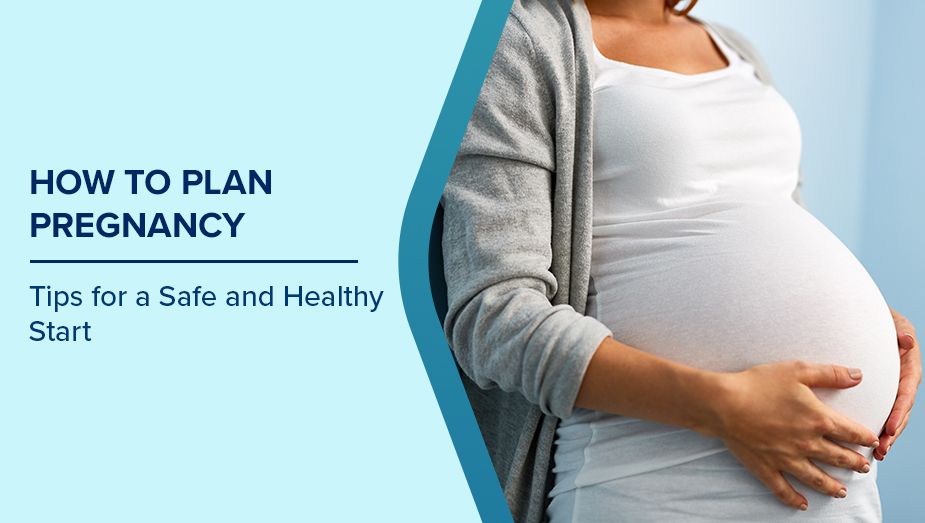
Call Us+91 926 888 0303How to Plan Pregnancy: Tips for a Safe and Healthy Start
By Dr. Shilpa Ghosh in Obstetrics And Gynaecology
May 26 , 2026 | 3 min read

Planning a pregnancy is one of the most important steps you can take to provide your baby the best possible beginning and protect your own health. Careful preparation doesn't just increase your chances of conceiving naturally, it helps set the stage for a healthy pregnancy, smooth delivery and positive experience for both you and your future child. Whether you are thinking of trying soon or just starting to consider parenthood, this blog will help you feel confident, informed and ready.
Understand Your Fertility: Know Your Body's Rhythms
Before you start trying to conceive, it’s important to understand how your menstrual cycle works so you can identify your most fertile days. Ovulation tracking is one of the simplest and most effective ways to know when you’re most likely to get pregnant. You can do this by:
- Charting Your Cycle: Marking the start and end dates of your period each month helps you predict ovulation.
- Checking Cervical Mucus: Clear, stretchy mucus often signals you’re near ovulation.
- Using Ovulation Predictor Kits: These tests detect hormone surges that occur before ovulation, giving you the best window to try.
Time Intercourse for Conception
Having sex during your fertile window (the five days leading up to ovulation plus the day of ovulation) gives you the highest chance of conceiving naturally. Regular intercourse every two to three days throughout your cycle also increases your chances without the stress of perfect timing.
Read more- Calculate Your Pregnancy Week & EDD Date
Optimise Your Physical and Mental Health
Your overall health affects your fertility and your baby's development. Before trying to conceive, take these steps:
- Maintain a Healthy Weight: Being underweight or overweight can make it harder to conceive and increase pregnancy complications.
- Stay Active: Regular exercise helps balance hormones and supports a healthy pregnancy.
- Manage Stress: High stress can disrupt ovulation and fertility. Practice relaxation techniques, get enough sleep, and seek support when you need it.
Lifestyle Changes for Boosting Fertility
Small lifestyle changes can significantly impact your ability to conceive and carry a healthy pregnancy:
- Quit Smoking and Avoid Alcohol: Both can harm fertility and increase the risk of birth defects.
- Limit Caffeine: High caffeine intake may lower fertility. Keep it below 200 mg per day.
- Eat a Balanced Diet: Focus on fruits, vegetables, whole grains, lean proteins, and healthy fats to provide key nutrients for conception and pregnancy.
- Take Prenatal Vitamins: Start taking folic acid and prenatal vitamins at least one month before attempting to conceive. This helps prevent neural tube defects and supports early development.
Consult Your Doctor for Preconception Counselling
A preconception visit with your doctor or a fertility health specialist gives you a chance to discuss your medical history, medications, vaccinations, and any concerns about getting pregnant. Your doctor can recommend tests or screenings if needed and give advice tailored to your unique health needs.
Create a Support Plan for Your Pregnancy Journey
Pregnancy is a life-changing journey that can bring many emotions. Building a support plan early helps you stay confident and maintain a positive outlook. Think about:
- Partner Support: Talk openly with your partner about hopes, concerns, and expectations.
- Family and Friends: Let loved ones know how they can help you during your pregnancy and after the baby arrives.
- Professional Help: Find a trusted obstetrician, midwife, or healthcare provider, and consider joining prenatal classes to prepare for labour, delivery, and newborn care.
Conclusion
Planning your pregnancy with intention gives you and your baby the healthiest possible start. By understanding your fertility, making informed lifestyle choices, and establishing a strong support network, you'll be well-prepared for this exciting chapter in your life. Always consult your doctor before trying to conceive to ensure you're fully prepared for a safe, joyful pregnancy journey.
Frequently Asked Questions
How far in advance should I start preparing for pregnancy?
Ideally, start at least three to six months before trying to conceive so you have time to improve your health and make any needed lifestyle changes.
Is it safe to continue exercising after becoming pregnant?
Yes, most women can continue moderate exercise during pregnancy, but it's essential to check with your doctor first and avoid activities that carry a high risk of falling or injury.
Do men need to prepare their health for pregnancy as well?
Yes, a man's health affects sperm quality. Healthy habits, such as quitting smoking, limiting alcohol consumption, and maintaining a balanced diet, can improve fertility.
What vaccines should I get before getting pregnant?
Your doctor may recommend vaccines like rubella or hepatitis B before pregnancy to protect you and your baby from serious infections.
Can certain jobs or environments affect my fertility?
Yes, exposure to radiation, heavy metals, or certain chemicals in the workplace can affect fertility. Discuss any job-related risks with your doctor.
Written and Verified by:

Related Blogs

Dr. Manju Khemani In Obstetrics And Gynaecology
Oct 27 , 2020 | 3 min read

Dr. Neera Aggarwal In Obstetrics And Gynaecology , Nutrition And Dietetics
Nov 07 , 2020 | 7 min read
Blogs by Doctor

What is Fertility: Factors, Tips, and Common Myths
Dr. Shilpa Ghosh In Obstetrics And Gynaecology
Apr 02 , 2025 | 4 min read
Breastfeeding After a C-Section: Challenges, Positions & Milk Supply Solutions
Dr. Shilpa Ghosh In Obstetrics And Gynaecology
Aug 25 , 2025 | 4 min read
Most read Blogs

Related Blogs
Dr. Manju Khemani In Obstetrics And Gynaecology
Oct 27 , 2020 | 3 min read
Dr. Neera Aggarwal In Obstetrics And Gynaecology , Nutrition And Dietetics
Nov 07 , 2020 | 7 min read
Blogs by Doctor
What is Fertility: Factors, Tips, and Common Myths
Dr. Shilpa Ghosh In Obstetrics And Gynaecology
Apr 02 , 2025 | 4 min read
Breastfeeding After a C-Section: Challenges, Positions & Milk Supply Solutions
Dr. Shilpa Ghosh In Obstetrics And Gynaecology
Aug 25 , 2025 | 4 min read
Most read Blogs