 WhatsApp Us (24/7)
 +91 926 888 0303 (24/7)


To Book an Appointment
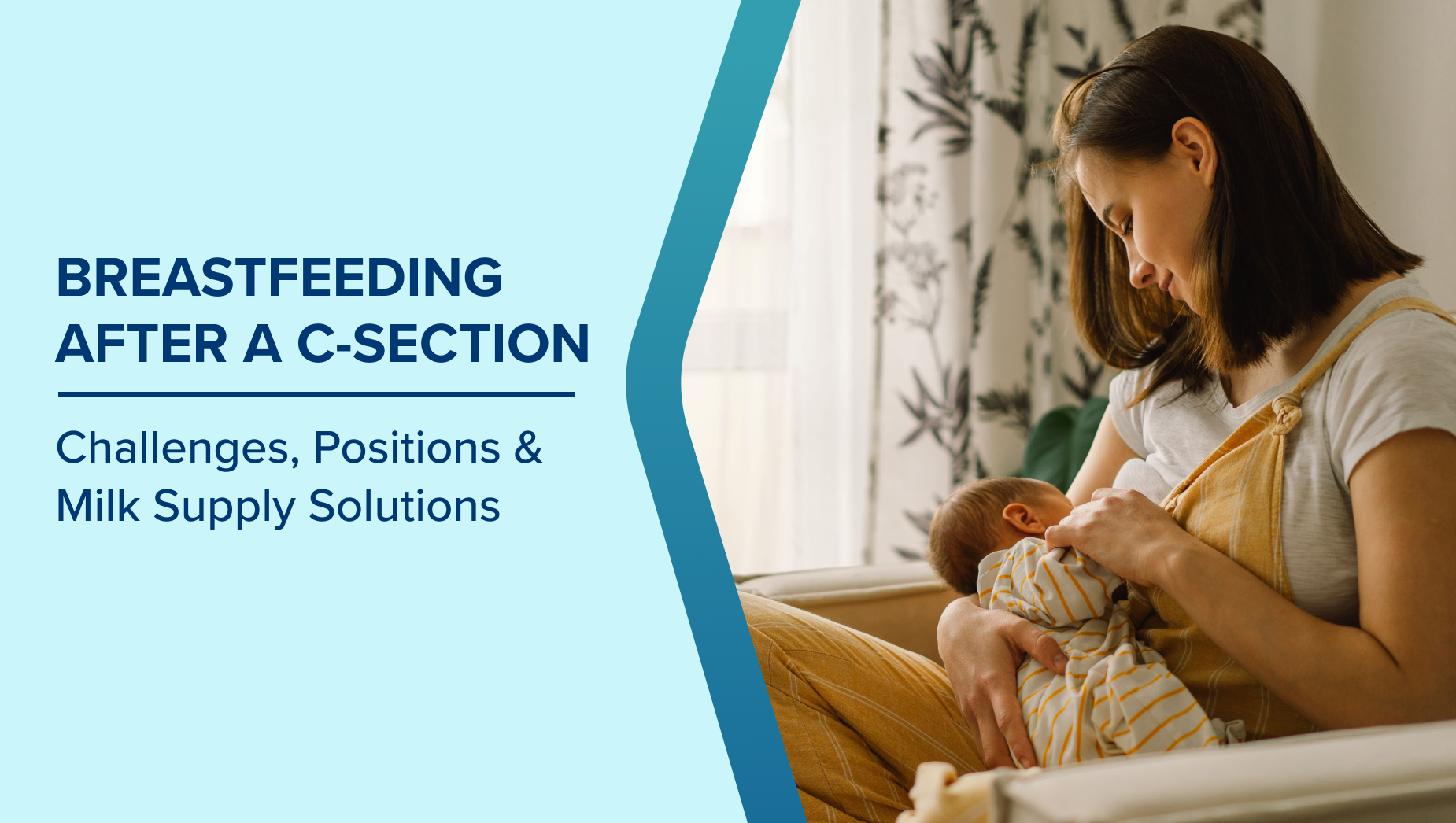
Call Us+91 926 888 0303Breastfeeding After a C-Section: Challenges, Positions & Milk Supply Solutions
By Dr. Shilpa Ghosh in Obstetrics And Gynaecology
Aug 25 , 2025 | 4 min read

Breastfeeding is one of the most rewarding experiences of early motherhood, but for women recovering from a caesarean section (C-section), the journey can feel particularly complex. While the nutritional and emotional benefits of breastfeeding remain the same, the physical and medical realities of surgical birth bring unique considerations.
From the impact of anaesthesia to incision discomfort and delayed recovery, mothers may need tailored approaches to establish and sustain breastfeeding.
Understanding How a C-Section Influences Breastfeeding
A caesarean is a surgical procedure, and its clinical aspects can alter the natural sequence of events that usually promote breastfeeding.
Anaesthesia and alertness: Depending on whether general or spinal anaesthesia is used, mothers may feel drowsy or less alert in the first few hours, delaying early attempts at feeding.
Awareness of these challenges allows mothers and their families to prepare realistic coping strategies rather than feeling discouraged.
Read More:- Role of Breastfeeding: Maternal & Infant Health Advantages
Finding the Right Breastfeeding Positions
Positioning makes a substantial difference to both comfort and feeding success. After a C-section, the key is to protect the incision while ensuring the baby can latch effectively.
- Football hold (rugby hold): Keeps the baby tucked to the side, away from the abdomen.
- Side-lying position: Allows the mother to rest while nursing, ideal for night feeds or when mobility is limited.
- Laid-back position: Gravity supports the baby on the mother’s chest, easing the latch and avoiding abdominal strain.
- Supported cradle hold: Used later in recovery with additional pillow support under the baby, only when the mother feels comfortable.
Experimenting with these holds helps mothers identify what feels manageable at different stages of recovery.
Managing Pain and Staying Comfortable
Pain relief and body support play an important role in enabling regular feeds. Unlike positioning, these measures focus on physical ease during recovery.
- Medication: Doctors may prescribe analgesics such as paracetamol or ibuprofen, which are safe during breastfeeding. These allow mothers to move more freely without compromising infant safety.
- Incision protection: Holding a small cushion against the abdomen while lifting the baby prevents sudden pressure on the surgical site.
- Supportive seating: A firm-backed chair or adjustable bed encourages upright posture and prevents slouching, which can strain healing muscles.
- Heat and relaxation: A warm compress on tense shoulders or simple breathing exercises can reduce muscular tightness caused by protective postures.
Addressing discomfort not only aids recovery but also ensures mothers feel confident in maintaining frequent feeds.
Read More:- Benefits & Types of Breastfeeding for Mother and Child
Supporting and Sustaining Milk Supply
Milk supply depends heavily on hormonal signals and frequent stimulation. After a C-section, extra attention may be needed to ensure production is maintained.
- Early contact: Even if full breastfeeding cannot start immediately, skin-to-skin contact in the recovery room stimulates oxytocin and helps the baby recognise feeding cues.
- Regular stimulation: Nursing on demand (8–12 times daily) or using a breast pump if the baby cannot latch, keeps supply steady.
- Expressing colostrum: Hand expression in the first hours ensures the baby receives nutrient-rich colostrum, even if direct feeding is delayed.
- Balanced nutrition and hydration: Adequate calories, proteins, and fluids support both milk production and tissue healing.
- Professional guidance: Lactation consultants can provide targeted advice, from correcting latch issues to setting a pumping schedule.
With persistence, most mothers are able to establish a full milk supply despite an initially slower start.
Practical Ways to Make Breastfeeding Easier After Surgery
Beyond positions and medical strategies, small lifestyle adaptations can ease the process:
- Organise a feeding space: Keep water, light snacks, muslins, and a phone or remote within reach to avoid strain.
- Seek assistance: A partner or family member can help lift or position the baby during the early days, reducing stress on the wound.
- Set realistic goals: Recognise that breastfeeding after surgery may take longer to feel natural; progress often comes step by step.
- Rest strategically: Using the side-lying position at night doubles as an opportunity for maternal rest during feeds.
Such measures transform feeding into a manageable routine, supporting recovery while meeting the baby’s nutritional needs.
Conclusion
Recovering from a C-section while establishing breastfeeding is a delicate balance of patience, preparation, and support. While surgery introduces challenges such as pain, delayed contact, and restricted mobility, these are not permanent obstacles. With the right positions, pain control, milk-boosting strategies, and practical adaptations, mothers can nurture their babies successfully and build the same intimate bond experienced after vaginal births. The key lies in persistence and knowing when to seek help.
Frequently Asked Questions
Can I use a breast pump in the hospital after my C-section?
Yes, if your baby is monitored in neonatal care or struggles to latch, hospitals often provide pumps so you can begin expressing milk within hours of surgery.
Are there special bras recommended for mothers recovering from a C-section?
Soft, wireless nursing bras are recommended, as they reduce abdominal pressure and are easier to manage when mobility is limited.
How long does it usually take to feel comfortable breastfeeding after a C-section?
For many mothers, noticeable improvement occurs within two weeks as pain subsides and mobility increases. By six weeks, most women report greater ease and confidence.
What role can my partner play in breastfeeding support after surgery?
Partners can assist with lifting the baby, preparing the feeding area, managing household tasks, and offering encouragement, allowing the mother to focus on recovery and feeding.
Can a C-section delay my milk supply?
Yes, a caesarean can sometimes delay the onset of mature milk by 24–48 hours compared to vaginal delivery. However, frequent feeding, skin-to-skin contact, and expressing milk can help stimulate supply and overcome delays.
Do C-section mothers need extra calories to breastfeed?
Yes, breastfeeding mothers, including those recovering from a C-section, require an additional 400–500 extra calories per day. Choosing nutrient-dense foods supports both recovery and milk production.
Written and Verified by:

Related Blogs

Dr. Manju Khemani In Obstetrics And Gynaecology
Oct 27 , 2020 | 3 min read

Dr. Neera Aggarwal In Obstetrics And Gynaecology , Nutrition And Dietetics
Nov 07 , 2020 | 7 min read
Blogs by Doctor

What is Fertility: Factors, Tips, and Common Myths
Dr. Shilpa Ghosh In Obstetrics And Gynaecology
Apr 02 , 2025 | 4 min read

How to Plan Pregnancy: Tips for a Safe and Healthy Start
Dr. Shilpa Ghosh In Obstetrics And Gynaecology
Jul 22 , 2025 | 3 min read
Most read Blogs

Related Blogs
Dr. Manju Khemani In Obstetrics And Gynaecology
Oct 27 , 2020 | 3 min read
Dr. Neera Aggarwal In Obstetrics And Gynaecology , Nutrition And Dietetics
Nov 07 , 2020 | 7 min read
Blogs by Doctor
What is Fertility: Factors, Tips, and Common Myths
Dr. Shilpa Ghosh In Obstetrics And Gynaecology
Apr 02 , 2025 | 4 min read
How to Plan Pregnancy: Tips for a Safe and Healthy Start
Dr. Shilpa Ghosh In Obstetrics And Gynaecology
Jul 22 , 2025 | 3 min read
Most read Blogs