 WhatsApp Us (24/7)
 +91 926 888 0303 (24/7)


To Book an Appointment
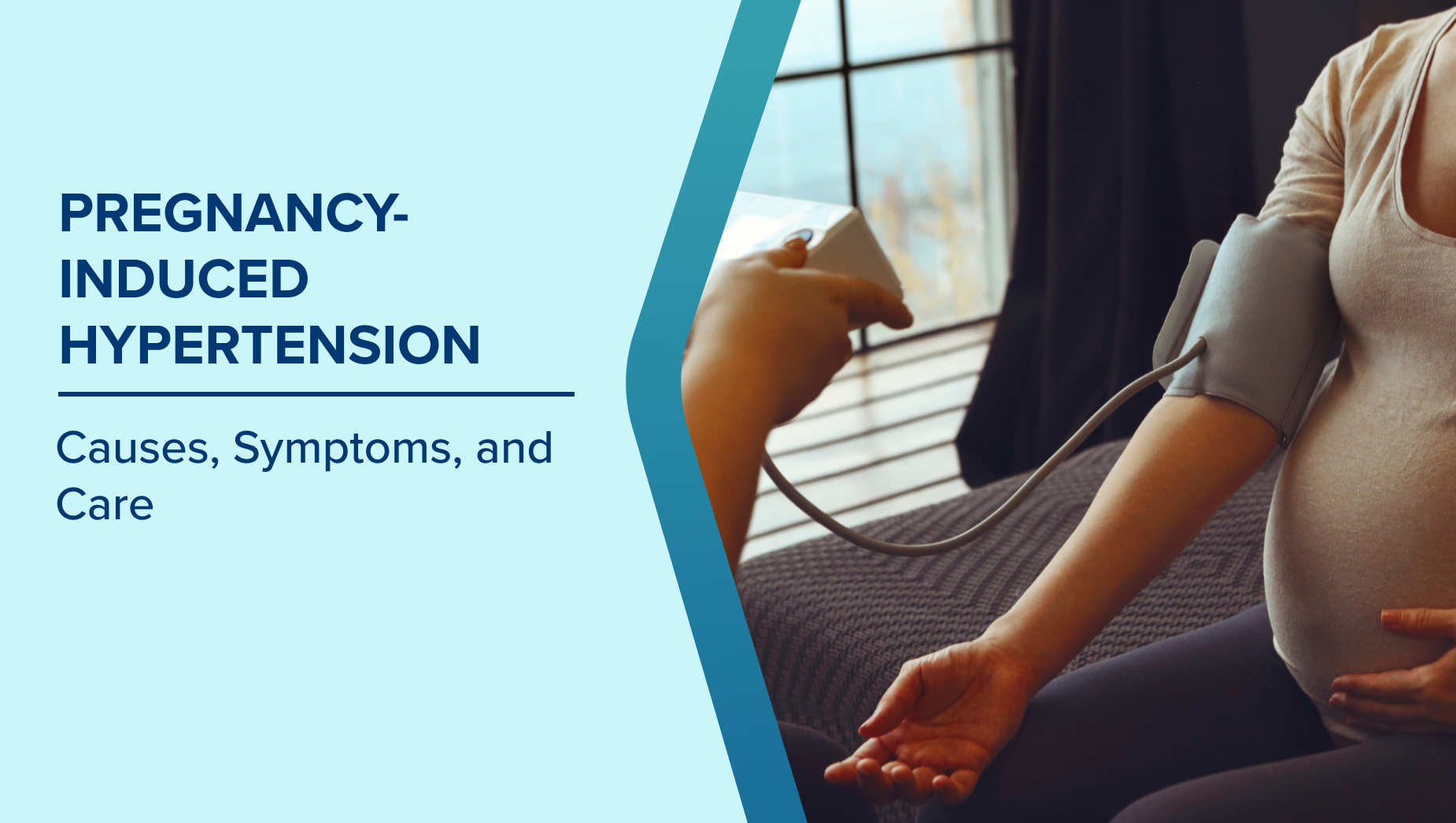
Call Us+91 926 888 0303Pregnancy-Induced Hypertension (PIH): Symptoms & Prevention
By Dr. Neera Aggarwal in Obstetrics And Gynaecology
May 27 , 2026 | 3 min read
3

Pregnancy marks a special phase in a woman’s life, bringing both joy and noticeable changes to her body. One such condition is pregnancy-induced hypertension (PIH), which affects many expectant mothers worldwide. While mild cases may go unnoticed at first, unmanaged hypertension can pose risks for both mother and baby.
If you are pregnant or planning for a healthy pregnancy, understanding this condition is essential. Pregnancy-induced hypertension is not the same as regular high blood pressure; it specifically develops during pregnancy and requires close monitoring and tailored prenatal care.
What is Pregnancy-Induced Hypertension?
Pregnancy-induced hypertension (PIH) is high blood pressure that develops after 20 weeks of pregnancy in women who previously had normal blood pressure.
This condition is different from chronic hypertension, which exists before pregnancy. PIH can range from mild to severe and needs regular monitoring to prevent complications.
PIH develops only during pregnancy and can resolve after delivery, but it requires careful management.
Types of Pregnancy-Induced Hypertension
There are three main types:
- Gestational Hypertension: High blood pressure after 20 weeks, without protein in urine.
- Preeclampsia: High blood pressure plus protein in urine or organ dysfunction.
- Eclampsia: Severe preeclampsia that progresses to seizures, a medical emergency.
Causes and Risk Factors
The exact cause of PIH is unknown, but it’s linked to abnormal placental development and maternal risk factors.
- First pregnancy or teenage pregnancy
- Age over 35 years
- Multiple pregnancies (twins, triplets)
- Family history of hypertension or preeclampsia
- Obesity or a poor pregnancy diet
- Pre-existing conditions like diabetes or kidney disease
Knowing your risk factors can help with prevention and early management.
Symptoms of Pregnancy-Induced Hypertension
Symptoms may include:
- Persistent headache
- Blurred vision or seeing spots
- Swelling in the hands, feet, or face
- Sudden weight gain
- Pain in the upper right abdomen
- Shortness of breath
Never ignore unusual symptoms during pregnancy, especially after 20 weeks.
Complications of PIH
If untreated, PIH can cause serious complications for both mother and baby.
- Preterm delivery
- Low birth weight
- Placental abruption (placenta detaches early)
- Growth restriction in the baby
- Eclampsia (seizures)
- HELLP syndrome (a severe liver and blood disorder)
Timely diagnosis and care greatly reduce the risks of complications.
Diagnosis of Pregnancy-Induced Hypertension
PIH is diagnosed through regular blood pressure checks, urine tests, and lab evaluations.
- Blood Pressure Monitoring: Repeated readings above 140/90 mmHg.
- Urine Test: To detect protein (proteinuria).
- Blood Tests: To check kidney and liver function.
- Ultrasound: To monitor the baby’s growth and amniotic fluid.
Regular check-ups allow early detection before complications set in.
Treatment and Management of PIH
Treatment depends on severity, gestational age, and symptoms, focusing on controlling blood pressure and ensuring the baby’s safety.
- Lifestyle Adjustments: Rest, stress reduction, a balanced pregnancy diet, and hydration.
- Medications: Safe antihypertensive drugs prescribed by doctors.
- Monitoring: Frequent blood pressure checks and fetal monitoring.
- Hospital Care: For severe cases or preeclampsia/eclampsia.
Treatment aims to protect both mother and baby until delivery.
Preventive Care and Self-Management
While PIH cannot always be prevented, healthy lifestyle choices reduce risks.
- Attend all prenatal check-ups
- Follow a nutrient-rich pregnancy diet (reduce salt, eat whole grains, fruits, and vegetables)
- Stay active with safe exercises
- Manage stress with yoga, meditation, or deep breathing
- Avoid smoking, alcohol, and processed foods
Prevention starts with a healthy lifestyle and consistent prenatal care.
When to Seek Emergency Care
Seek urgent medical attention if you experience severe symptoms.
- Severe headache that does not go away
- Blurred or double vision
- Seizures
- Severe abdominal pain
- Sudden swelling of the face and hands
- Decreased baby movements
Never delay emergency care, as quick action can save lives.
Conclusion
Pregnancy-induced hypertension may sound alarming, but with timely diagnosis, proper medical care, and lifestyle adjustments, most women go on to have healthy pregnancies and safe deliveries. Recognising symptoms early, attending regular prenatal visits, and following medical advice can make all the difference.
Remember, every pregnancy is unique, and having PIH does not mean you cannot experience a joyful, healthy motherhood journey. Stay informed, stay proactive, and lean on your healthcare team for guidance. With the right support, you can confidently manage this condition and focus on welcoming your baby into the world.
Frequently Asked Questions
Q1. Is pregnancy-induced hypertension the same as regular hypertension?
No, PIH develops only during pregnancy after 20 weeks, while regular hypertension exists before pregnancy.
Q2. Will pregnancy-induced hypertension go away after delivery?
Yes, in most cases, PIH resolves within weeks after childbirth, but follow-up is essential.
Q3. Can pregnancy-induced hypertension harm the baby?
Yes, it may lead to low birth weight, preterm birth, or growth restrictions if untreated.
Q4. Can diet help manage pregnancy-induced hypertension?
Yes, a balanced pregnancy diet low in salt and high in fruits, vegetables, and whole grains supports blood pressure control.
Q5. Is exercise safe with pregnancy-induced hypertension?
Yes, but only gentle, doctor-approved exercises like walking or prenatal yoga are recommended.
Q6. Who is most at risk of developing PIH?
First-time mothers, women with obesity, multiple pregnancies, or a family history of hypertension are at higher risk.
Written and Verified by:

Related Blogs

Dr. Manju Khemani In Obstetrics And Gynaecology
Oct 27 , 2020 | 3 min read

Dr. Neera Aggarwal In Obstetrics And Gynaecology , Nutrition And Dietetics
Nov 07 , 2020 | 7 min read
Blogs by Doctor
Dr. Neera Aggarwal In Obstetrics And Gynaecology , Nutrition And Dietetics
Nov 07 , 2020 | 7 min read
Post-Pregnancy Depression: Symptoms, Causes, and Recovery
Dr. Neera Aggarwal In Obstetrics And Gynaecology
Oct 22 , 2025 | 3 min read
Most read Blogs

Related Blogs
Dr. Manju Khemani In Obstetrics And Gynaecology
Oct 27 , 2020 | 3 min read
Dr. Neera Aggarwal In Obstetrics And Gynaecology , Nutrition And Dietetics
Nov 07 , 2020 | 7 min read
Blogs by Doctor
Dr. Neera Aggarwal In Obstetrics And Gynaecology , Nutrition And Dietetics
Nov 07 , 2020 | 7 min read
Post-Pregnancy Depression: Symptoms, Causes, and Recovery
Dr. Neera Aggarwal In Obstetrics And Gynaecology
Oct 22 , 2025 | 3 min read
Most read Blogs