 WhatsApp Us (24/7)
 +91 926 888 0303 (24/7)


To Book an Appointment
Call Us+91 926 888 0303Post-Pregnancy Depression: Symptoms, Causes, and Recovery
By Dr. Neera Aggarwal in Obstetrics And Gynaecology
Oct 22 , 2025 | 3 min read

Welcoming a new baby into the world is often one of the happiest moments in a woman’s life. However, for many mothers, the postpartum period brings a mix of emotions that are not always joyful. Feelings of sadness, anxiety, or emptiness after childbirth are more common than most people realise. This condition, known as post-pregnancy depression or postpartum depression (PPD), affects millions of women globally and can significantly impact both mother and baby if left unaddressed.
Understanding post-pregnancy depression, why it occurs, and how to recognise the symptoms is crucial. Awareness of treatment and support options, along with practical coping strategies and self-care tips, can make a meaningful difference. With timely help and the right support, recovery is possible, and mothers can embark on a fulfilling and healthy journey through early parenthood.
What Is Post-Pregnancy Depression?
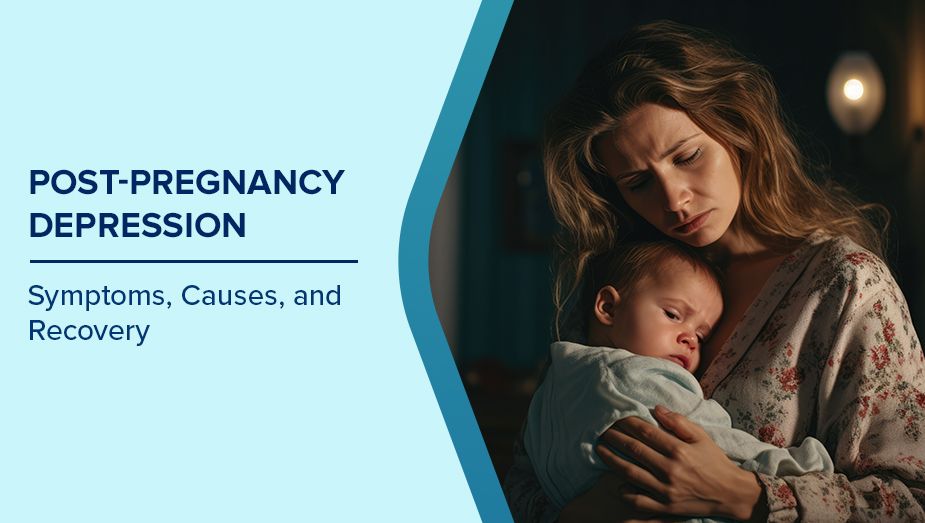
Post-pregnancy depression is a type of mood disorder that occurs after childbirth, causing persistent sadness, anxiety, and difficulty bonding with the baby.
Unlike the “baby blues,” which usually last a week or two after delivery, postpartum depression is more intense and longer-lasting. It can begin within the first few weeks after birth, but may also appear months later.
Symptoms of Post-Pregnancy Depression
The emotional symptoms include:
- Persistent sadness or emptiness
- Excessive crying without a clear reason
- Feelings of worthlessness or guilt
- Overwhelming anxiety or panic attacks
Physical Symptoms:
- Fatigue and low energy
- Change in appetite (overeating or loss of appetite)
- Trouble sleeping even when the baby sleeps
- Aches and pains without a medical cause
Behavioural Symptoms:
- Withdrawing from family and friends
- Difficulty caring for the baby
- Struggling to focus or make decisions
- Loss of interest in hobbies or relationships
Causes and Risk Factors
A combination of hormonal changes, emotional stress, and lifestyle adjustments causes post-pregnancy depression.
Biological Factors
- Sudden drop in estrogen and progesterone after delivery
- Thyroid hormone imbalances
- Lack of restorative sleep
Emotional & Psychological Factors
- History of depression or anxiety
- Low self-esteem or body image concerns
- Fear of being a “bad mother”
Social & Lifestyle Factors
- Lack of family or partner support
- Financial stress
- Difficult pregnancy or birth complications
Difference Between Baby Blues and Postpartum Depression
Not all mood changes after childbirth are the same. Baby blues are common, short-lived, and usually resolve on their own, whereas postpartum depression (PPD) is more severe, persistent, and requires medical attention.
Baby Blues:
- Lasts 1–2 weeks
- Causes mild mood swings, irritability, or tearfulness
- Symptoms are generally manageable and improve naturally
Postpartum Depression:
- Persists for several weeks or months
- Leads to intense sadness, hopelessness, or anxiety
- Interferes with daily life and requires professional help
Recognising the difference between these two conditions is crucial for timely support and effective management.
Treatment Options for Post-Pregnancy Depression
Treatment often includes therapy, medication, support groups, and lifestyle adjustments.
Medical Treatment
- Therapy (Psychotherapy): Cognitive-behavioural therapy (CBT) and interpersonal therapy are effective.
- Medications: Antidepressants may be prescribed, and some are safe for breastfeeding.
Support Systems
- Partner and family involvement in daily care
- Postpartum support groups (in-person or online)
Lifestyle Adjustments
- Prioritising rest whenever possible
- Balanced, nutritious diet for physical and mental health
- Light exercise, such as walking or yoga
Coping Strategies and Self-Care Tips
Small daily habits and seeking help can ease postpartum depression and support recovery.
- Accept help: Allow family and friends to share household and baby care responsibilities.
- Stay connected: Talking to other mothers or joining a support group can reduce feelings of isolation.
- Practice mindfulness: Breathing exercises, journaling, or meditation help manage stress.
- Set realistic expectations: Focus on progress, not perfection, in motherhood.
- Nutrition and hydration: Eat balanced meals, stay hydrated, and limit your intake of excessive caffeine.
Self-care is not selfish. Taking care of your mental health helps both mother and baby thrive.
Conclusion
Post-pregnancy depression is a common but treatable condition. Recognising the symptoms early, seeking professional help, and building a strong support system are significant steps toward recovery. Remember, experiencing postpartum depression does not mean you are a bad mother. It is a medical condition that requires care, just like any physical illness.
With the right combination of treatment, self-care, and support, mothers can heal and experience a healthy, fulfilling journey of motherhood. If you or someone you know is struggling, reach out to a healthcare professional. You are not alone, and help is available.
Frequently Asked Questions
How long does post-pregnancy depression last?
It varies, but untreated postpartum depression can last for months or even years. With treatment, most mothers see improvement within weeks.
Can fathers get postpartum depression?
Yes, though less common, new fathers may also experience depression due to hormonal shifts, sleep deprivation, and stress.
Is postpartum depression the same as postpartum anxiety?
No, while they can occur together, postpartum depression mainly involves sadness and hopelessness, whereas postpartum anxiety focuses on excessive worry and fear.
Can breastfeeding mothers take antidepressants?
Some antidepressants are safe during breastfeeding, but always consult a healthcare provider before starting medication.
How do I know if I have baby blues or depression?
If symptoms last beyond two weeks or interfere with your ability to care for yourself or your baby, it’s likely postpartum depression.
Can postpartum depression be prevented?
While not always preventable, staying connected, seeking early support, and practising self-care during pregnancy can lower the risk.
Written and Verified by:

Related Blogs

Dr. Manju Khemani In Obstetrics And Gynaecology
Oct 27 , 2020 | 3 min read

Dr. Neera Aggarwal In Obstetrics And Gynaecology , Nutrition And Dietetics
Nov 07 , 2020 | 7 min read
Blogs by Doctor
Dr. Neera Aggarwal In Obstetrics And Gynaecology , Nutrition And Dietetics
Nov 07 , 2020 | 7 min read
Pregnancy Blood Test: What to Expect, Types, and Results
Dr. Neera Aggarwal In Obstetrics And Gynaecology
Oct 22 , 2025 | 4 min read
Most read Blogs

Related Blogs
Dr. Manju Khemani In Obstetrics And Gynaecology
Oct 27 , 2020 | 3 min read
Dr. Neera Aggarwal In Obstetrics And Gynaecology , Nutrition And Dietetics
Nov 07 , 2020 | 7 min read
Blogs by Doctor
Dr. Neera Aggarwal In Obstetrics And Gynaecology , Nutrition And Dietetics
Nov 07 , 2020 | 7 min read
Pregnancy Blood Test: What to Expect, Types, and Results
Dr. Neera Aggarwal In Obstetrics And Gynaecology
Oct 22 , 2025 | 4 min read
Most read Blogs