 WhatsApp Us (24/7)
 +91 926 888 0303 (24/7)


To Book an Appointment
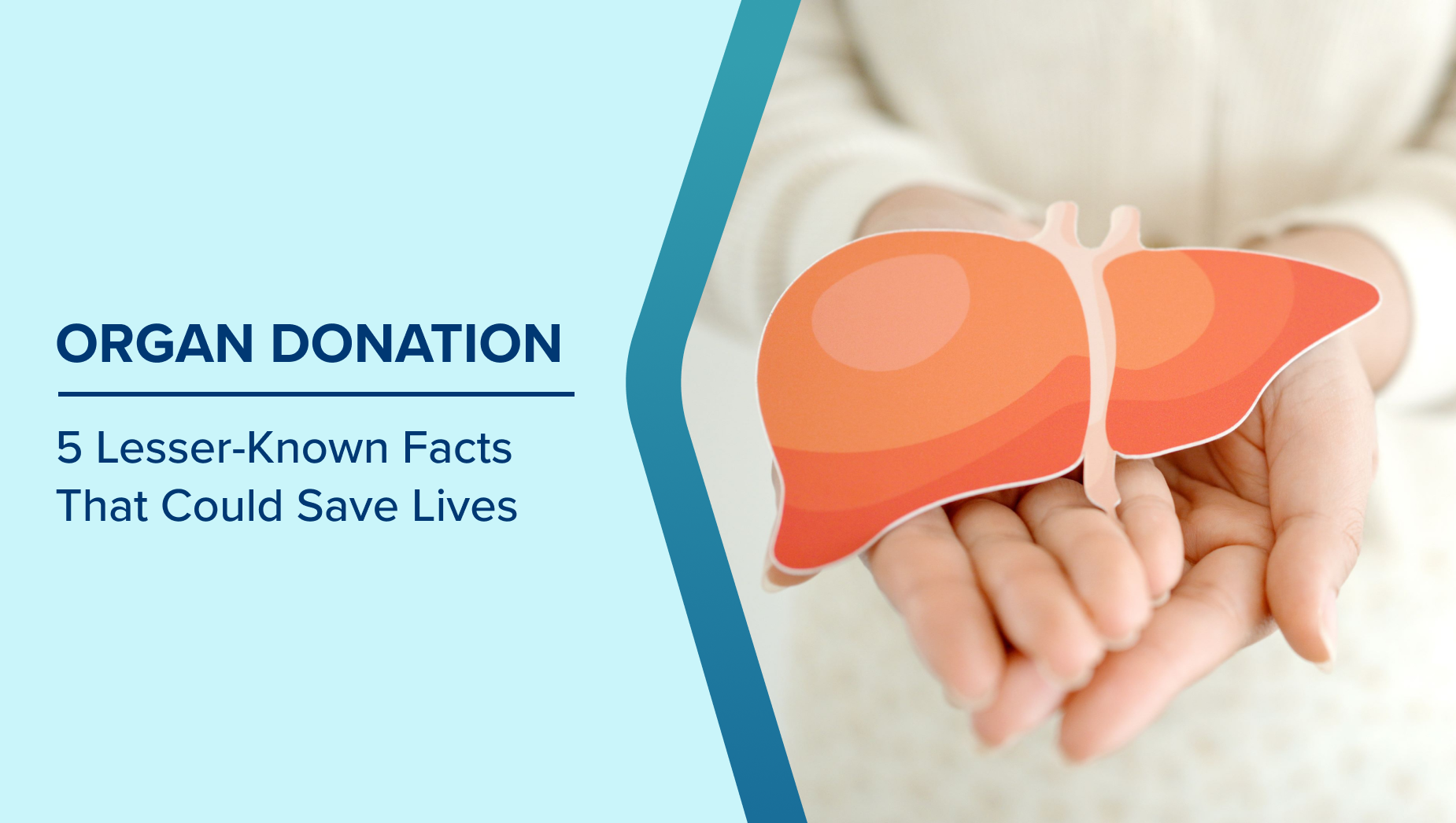
Call Us+91 926 888 0303Organ Donation: 5 Lesser-Known Facts That Could Save Lives
By Dr. Praanjal Gupta in Urology , Kidney Transplant , Uro-Oncology , Robotic Surgery
Aug 20 , 2025 | 3 min read

Organ donation often comes up in discussions only when someone we know is waiting for a transplant. But in reality, it’s a topic that concerns us all. Millions of people across the world, including thousands in India, are waiting for life-saving organ transplants. Unfortunately, the gap between those who need organs and those who donate them remains huge.
While some myths are widely discussed, there are also lesser-known misconceptions that prevent people from taking this crucial step. Clearing up these misconceptions can inspire more people to register as donors and save lives.
You Can Be a Donor Even If You Have a Medical Condition
Many people assume that chronic health issues like diabetes or hypertension automatically make them ineligible for organ donation. That’s not always true. Individual organs are assessed separately, and certain conditions do not affect all organs.
For example, even if you have diabetes, your corneas or some tissues may still be perfectly healthy for donation. So instead of deciding for yourself, let medical experts determine what’s suitable.
Tissue Donation is as Important as Organ Donation
When we think of organ donation, we usually think of the heart, liver, or kidneys. But tissue donation, like donating corneas, skin, heart valves, hands or bone, can dramatically improve someone’s quality of life.
For instance, cornea donation can restore someone’s sight, while skin grafts can help burn victims recover, while trauma victims may get the gift of working hands. These procedures are life-changing and often overlooked in organ donation discussions.
Living Organ Donation Saves Lives Too
You don’t always have to wait until after death to save a life. Living donations, like donating one kidney or a portion of your liver, can give someone a new chance at life while you continue to live healthily.
Living donations are carefully planned, with comprehensive medical evaluations to ensure the donor’s safety. This is a powerful way to make an immediate difference.
Children Can Be Donors Too
This is an uncomfortable topic, but it’s an important one. Sadly, many children also await life-saving organ transplants. In the case of untimely child deaths, parents can choose to donate their child’s organs, giving another child or even an adult a chance to survive.
Awareness about pediatric organ donation is low, but it’s one of the most compassionate ways to create meaning out of an unimaginable loss.
Organ Donation Requires Family Involvement
Even if you register as a donor, your family’s consent is needed in India. This makes it essential to discuss your decision openly with them. A conversation today can prevent confusion later and ensure your wishes are honoured.
Conclusion
Organ donation is more than a medical act, it’s a legacy of kindness. By understanding the facts, clearing misconceptions, and involving our families, we can collectively close the gap between organ demand and supply.
If you’ve been considering becoming a donor, take the first step today. Your choice could save multiple lives and bring hope to families in despair.
Frequently Asked Questions
Can I donate my organs after natural death?
In most cases, organ donation after natural death is not possible because organs need an active blood supply to remain viable for transplantation. However, tissue donation (such as corneas, skin, and bones) can still be done within a specific time frame after natural death.
How long can donated organs survive outside the body?
The survival time for organs outside the body varies depending on the organ. Hearts and lungs need to be transplanted within 4–6 hours, while kidneys can remain viable for up to 36 hours with proper preservation. Quick transportation (like “green corridors”) and specialised storage methods are used to maximise their survival.
Who can be considered medically suitable for organ donation?
Medical suitability is determined by a thorough assessment at the time of donation. Age or certain health conditions do not automatically disqualify a person, as each organ and tissue is evaluated individually by healthcare professionals.
Can organ donation affect the quality of medical care I receive?
No, when you are admitted for treatment, the medical team’s sole focus is to provide the best possible care for you. Organ donation is only considered after all life-saving measures have failed and death or brain death has been confirmed by an expert team.
Can someone with chronic conditions donate organs?
Having a chronic illness does not always prevent donation. Medical professionals assess each organ or tissue individually to determine whether it is suitable for transplantation, keeping the safety of the donor as utmost priority.
Written and Verified by:

Related Blogs

Dr. Anant Kumar In Urology , Kidney Transplant , Uro-Oncology
Nov 08 , 2020 | 8 min read

Dr. Shailendra Kumar Goel In Urology , Kidney Transplant , Uro-Oncology
Nov 08 , 2020 | 4 min read
Blogs by Doctor
How Robotic Systems Are Transforming Transplant Surgery
Dr. Praanjal Gupta In Urology , Kidney Transplant , Robotic Surgery
Sep 24 , 2025 | 5 min read
Most read Blogs


Related Blogs
Dr. Anant Kumar In Urology , Kidney Transplant , Uro-Oncology
Nov 08 , 2020 | 8 min read
Dr. Shailendra Kumar Goel In Urology , Kidney Transplant , Uro-Oncology
Nov 08 , 2020 | 4 min read
Blogs by Doctor
How Robotic Systems Are Transforming Transplant Surgery
Dr. Praanjal Gupta In Urology , Kidney Transplant , Robotic Surgery
Sep 24 , 2025 | 5 min read
Most read Blogs