 WhatsApp Us (24/7)
 +91 926 888 0303 (24/7)


To Book an Appointment
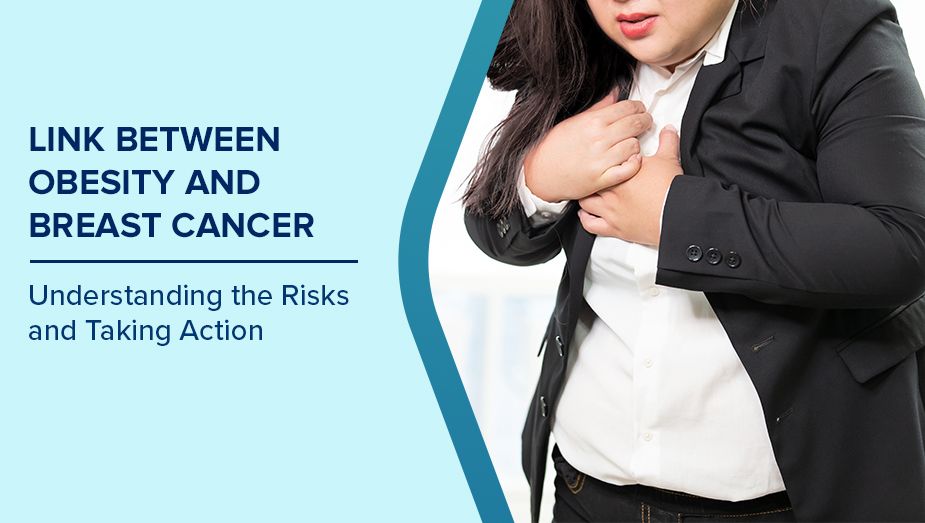
Call Us+91 926 888 0303Link Between Obesity and Breast Cancer: Understanding the Risks and Taking Action
By Dr Anadi Pachaury in Cancer Care / Oncology , Breast Cancer
Oct 22 , 2025 | 4 min read

Breast cancer is one of the most common cancers among women, and both genetic and lifestyle factors influence its causes. One important risk factor that often goes unnoticed is obesity. Rising obesity rates across the world, including in India, have made this connection more relevant than ever.
Carrying excess body weight is not just about appearance or fitness; it can affect how the body functions on a hormonal and cellular level. These internal changes can increase the chances of developing breast cancer, especially after menopause. Understanding this link is an important step toward prevention and early detection.
How Obesity Can Increase Breast Cancer Risk
Excess body fat can affect the body in ways that make breast cancer more likely to develop. Some of the key factors include:
Hormone Levels
After menopause, fat tissue becomes the main source of estrogen. Increased body fat can boost estrogen production, potentially promoting the growth of specific breast cancer cells.
Inflammation
Obesity often causes long-term low-grade inflammation. Over time, this inflammation can damage cells and create conditions that may promote the development of cancer.
Insulin and Growth Factors
Excess weight is often linked to higher levels of insulin and insulin-like growth factors. These can support the growth and spread of cancer cells, making the disease more aggressive in some cases.
Scientific Evidence Supporting the Link
Research has consistently shown a strong connection between obesity and breast cancer, particularly after menopause.
- Postmenopausal women with obesity are more likely to develop breast cancer compared to women with a healthy weight.
- Obesity is linked with a higher risk of cancer recurrence and lower survival rates in those who have already been diagnosed.
- Higher body weight may also be linked to more aggressive forms of breast cancer.
How Obesity Affects Breast Cancer Detection and Treatment
Challenges in Detection
Detecting breast cancer early can be more difficult in women with obesity. Excess fat tissue may make it more difficult to detect lumps during physical exams. Dense tissue can also make it challenging to spot tumours on mammograms, sometimes leading to a delay in diagnosis.
Impact on Treatment
Obesity can affect how the body responds to cancer treatment. It may increase the risk of complications during surgery and can influence how some medications are absorbed and processed, which may affect treatment outcomes.
Effect on Recovery and Survival
Women with obesity often face a higher risk of recurrence and may have lower overall survival rates. Hormonal changes, metabolic factors, and the response to treatment influence this.
Lifestyle Changes to Lower the Risk
The good news is that weight is a modifiable risk factor. Adopting a healthy lifestyle can reduce the risk of breast cancer and support overall well-being.
Maintain a Healthy Weight
- Aim for a BMI in the healthy range.
- Focus on gradual, long-term weight loss if needed rather than short-term crash diets.
Eat a Balanced Diet
- Include fruits, vegetables, whole grains, lean proteins, and healthy fats.
- Reduce processed foods, sugary drinks, and foods high in saturated fats.
- Select high-fibre foods that promote hormone balance and digestive health.
Stay Physically Active
- Try to engage in moderate physical activity for a minimum of 150 minutes each week, including options like walking, swimming, or riding a bicycle.
- Engage in strength exercises twice a week to support muscle growth and retention.
Limit Alcohol Intake
Consuming even minimal alcohol can increase the likelihood of developing breast cancer. Limiting or avoiding it can further reduce the risk.
Go for Regular Screenings
Women who are at an increased risk because of obesity should undergo regular breast check-ups to catch any issues early. Consult with your doctor to determine the optimal mammogram schedule for your age and risk level.
The Role of Screening and Early Detection
Regular screening plays a key role in catching breast cancer early when treatment is most effective.
- Mammograms can detect tumours before they are felt.
- Clinical breast exams by healthcare professionals provide an added layer of protection.
- Self-awareness helps you notice any unusual changes in your breasts early.
If you fall into a higher risk category due to weight or other factors, your doctor may recommend more frequent screenings.
Obesity and Menopause: A Stronger Link
The connection between obesity and breast cancer becomes stronger after menopause. This is because the body produces less estrogen from the ovaries, and fat tissue becomes the main source. Higher levels of fat mean higher estrogen levels, which can fuel the growth of hormone-sensitive breast cancers.
This makes weight management after menopause particularly important for reducing breast cancer risk.
Practical Steps for Prevention
- Schedule regular health checkups to understand your personal risk.
- Work with your doctor to create a personalised screening schedule tailored to your health, age, and family history.
- Make small, sustainable changes in diet and physical activity.
- Join wellness or support groups if you need motivation and guidance.
Taking these steps early can lower your risk and improve your overall health in the long run.
Conclusion
The link between obesity and breast cancer is well established. Excess body weight can affect hormones, inflammation, and insulin levels, all of which can increase cancer risk and make detection and treatment more challenging. The encouraging part is that many of these risks can be reduced. By maintaining a healthy weight, following a balanced lifestyle, and going for regular screenings, women can take active steps to protect their breast health and improve treatment outcomes if cancer is detected. If you have concerns about your weight or breast cancer risk, speak to your healthcare provider to create a personalised prevention plan.
Frequently Asked Questions
Does obesity increase breast cancer risk if I have no family history?
Yes, obesity can raise breast cancer risk through hormonal and metabolic changes, regardless of family history.
Can losing weight after menopause reduce my risk?
Yes, losing even a moderate amount of weight after menopause can lower breast cancer risk.
Does long-term obesity affect breast tissue?
Long-term obesity may reduce breast density but increase estrogen production, which can still raise breast cancer risk.
Can weight loss surgery lower breast cancer risk?
Bariatric surgery may reduce the risk of hormone-related cancers, including breast cancer, especially in women with severe obesity.
What are some common myths about obesity and breast cancer?
A common myth is that only women with a family history are at risk. In reality, lifestyle factors such as weight play a major role in many cases.
Written and Verified by:

Related Blogs

Dr. Kanika Batra Modi In Cancer Care / Oncology
Nov 07 , 2020 | 3 min read

Dr. R.Ranga Rao In Medical Oncology , Cancer Care / Oncology , Thoracic Oncology
Nov 07 , 2020 | 2 min read
Blogs by Doctor
Gastrointestinal Cancers: Types, Early Signs, Screening & Treatment
Dr Anadi Pachaury In Cancer Care / Oncology , Breast Cancer , Head & Neck Oncology , Robotic Surgery
Oct 25 , 2021 | 2 min read
Most read Blogs


Related Blogs
Dr. Kanika Batra Modi In Cancer Care / Oncology
Nov 07 , 2020 | 3 min read
Dr. R.Ranga Rao In Medical Oncology , Cancer Care / Oncology , Thoracic Oncology
Nov 07 , 2020 | 2 min read
Blogs by Doctor
Gastrointestinal Cancers: Types, Early Signs, Screening & Treatment
Dr Anadi Pachaury In Cancer Care / Oncology , Breast Cancer , Head & Neck Oncology , Robotic Surgery
Oct 25 , 2021 | 2 min read
Most read Blogs