 WhatsApp Us (24/7)
 +91 926 888 0303 (24/7)


To Book an Appointment
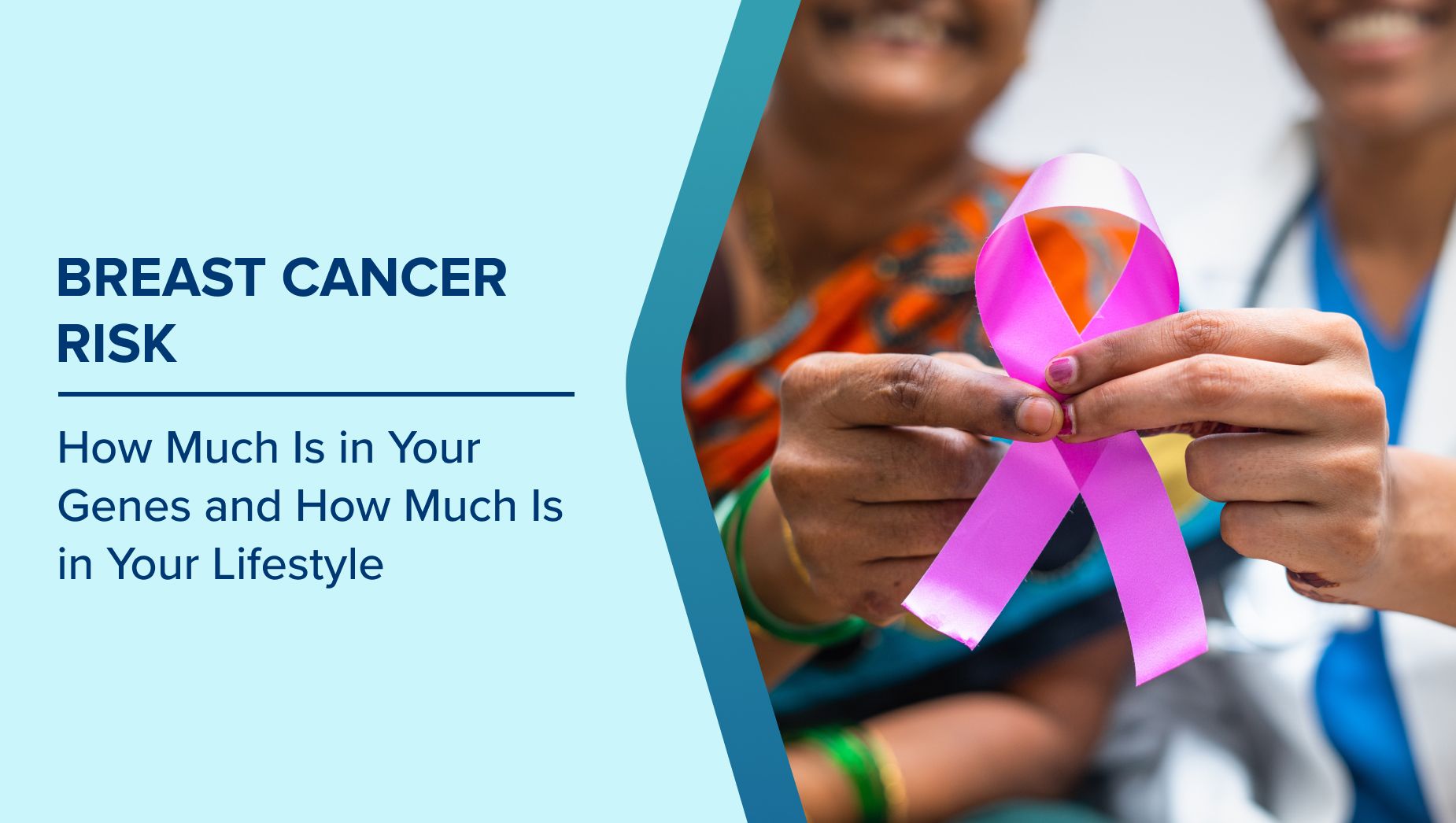
Call Us+91 926 888 0303Breast Cancer Risk: How Much Is in Your Genes and How Much Is in Your Lifestyle
By Dr Anadi Pachaury in Surgical Oncology , Cancer Care / Oncology , Breast Cancer , Head & Neck Oncology , Gastro Intestinal & Hepatopancreatobiliary Surgical Oncology , Robotic Surgery
Nov 06 , 2025 | 4 min read

When it comes to breast cancer, one question often stands out — how much of your risk comes from your genes, and how much from your daily choices? The truth is, both genetics and lifestyle play important roles, but understanding how they interact can help you make smarter decisions about your health.
Only a small percentage of breast cancers are hereditary. Most develop due to a combination of lifestyle habits, hormones, and environmental factors, many of which are preventable.
Understanding Breast Cancer Risk
Breast cancer risk isn’t the same for everyone. It depends on a mix of genetic, hormonal, environmental, and lifestyle factors. Some people are born with gene mutations that raise their risk, while others develop breast cancer due to long-term exposure to harmful habits or hormonal imbalances.
Knowing your personal risk factors can guide you toward preventive care, early screening, and healthier daily choices.
Genetic Factors in Breast Cancer
What Are BRCA Genes?
BRCA1 and BRCA2 are genes that repair DNA damage and protect cells from turning cancerous. When these genes are mutated, they fail to repair DNA properly, allowing abnormal cells to grow and form tumours.
How Do Genetic Mutations Increase Risk?
- Inherited mutations: If a close family member, like your mother, sister, or daughter, had breast or ovarian cancer, your risk may be higher.
- BRCA1/BRCA2 mutations: These are among the best-known genetic causes of breast cancer.
- Other gene variants: Mutations in genes such as TP53, PTEN, and PALB2 can also increase risk.
Should You Get Genetic Testing for Breast Cancer?
Genetic testing helps identify inherited mutations that increase risk. It is often recommended for individuals with a strong family history of breast, ovarian, or prostate cancer.
Consulting a healthcare professional or genetic counsellor helps you decide whether testing is right for you.
Lifestyle Factors That Influence Breast Cancer Risk
While genes play a role, most breast cancers are linked to modifiable lifestyle habits. Regular health check-ups and screening tests such as mammograms are essential for early detection, especially for women with multiple risk factors.
Diet and Nutrition
A diet high in processed foods, red meat, and unhealthy fats may increase risk. Focus on:
- Fresh fruits, vegetables, and whole grains
- Foods rich in antioxidants, like berries and leafy greens
- Limiting sugar, alcohol, and processed foods
Physical Inactivity
Regular exercise helps regulate hormones, maintain body weight, and reduce inflammation, all of which lower breast cancer risk. Aim for at least 30 minutes of physical activity most days.
Alcohol Consumption
Alcohol increases estrogen levels and damages DNA in cells. Even small amounts can raise risk, so moderation is key.
Metabolic Syndrome
Conditions such as obesity, hypertension, and diabetes mellitus, collectively known as metabolic syndrome, significantly increase the risk of breast cancer, particularly after menopause. Maintaining a healthy weight and managing blood sugar and blood pressure are crucial preventive measures.
Stress and Sleep
Chronic stress and poor sleep affect immune function and hormone balance. Mindfulness, relaxation, and 7–8 hours of quality sleep support overall wellness.
How Genes and Lifestyle Interact
Your genes may set the baseline for risk, but your lifestyle determines how that risk plays out. This connection is explained by epigenetics, a field of science that shows how external factors, such as diet, exercise, and stress, can switch genes on or off.
That means even if you have a genetic predisposition, healthy habits can help protect you by influencing how your genes behave. Similarly, poor habits can activate harmful genes, raising your cancer risk.
Prevention and Early Detection
Breast cancer prevention focuses on regular screening and healthy living. Early detection often leads to better treatment outcomes and survival rates.
Key Steps for Prevention
- Schedule regular mammograms and screenings as advised by your doctor.
- Perform monthly breast self-exams to detect early changes.
- Maintain a balanced diet and exercise routine.
- Avoid smoking and limit alcohol intake.
- Consider genetic counselling if you have a family history of cancer.
Early Detection Saves Lives
When detected early, breast cancer is highly treatable. Modern screening techniques and awareness campaigns help identify potential risks before symptoms appear.
Empowering Women with Knowledge
Awareness is the first step toward prevention. Understanding breast cancer risk factors, both hereditary and lifestyle-related, empowers you to make proactive health choices. Support groups, awareness initiatives, and regular check-ups all play a vital role in improving women’s health outcomes.
Remember, knowledge truly is power. The more you know about your body and your risks, the more control you have over your health.
Conclusion
Breast cancer risk is shaped by both your DNA and your daily choices. While you cannot change your genes, you can control how you live through healthy habits, timely screening, and awareness.
By staying active, eating well, and listening to your body, you can reduce your risk and protect your long-term health. Make prevention a priority today, because small steps toward wellness can make a lasting difference.
Frequently Asked Questions
Can breast cancer skip a generation in families?
Yes, some people carry a gene mutation but never develop cancer, while their children might. That’s why genetic testing is important for high-risk families.
How can I lower my breast cancer risk naturally?
Eat a balanced diet, exercise regularly, avoid alcohol and smoking, and manage stress. These changes reduce risk and support hormone balance.
Is breast cancer hereditary in men, too?
Yes, men can inherit BRCA gene mutations and develop breast cancer, though it is much less common than in women.
What is the best age to start breast cancer screening?
Screening recommendations depend on personal and family history. Generally, women should begin regular mammograms in their 40s or earlier if at higher risk.
Does birth control increase breast cancer risk?
Some hormonal contraceptives slightly increase risk, but the effect is temporary and fades after discontinuation. Always discuss options with a healthcare provider.
Written and Verified by:

Related Blogs

Dr. S. VEDA PADMA PRIYA In Surgical Oncology , Cancer Care / Oncology
May 16 , 2016 | 2 min read

Dr. Kanika Batra Modi In Surgical Oncology , Cancer Care / Oncology
May 26 , 2016 | 4 min read
Blogs by Doctor
Gastrointestinal Cancers: Types, Early Signs, Screening & Treatment
Dr Anadi Pachaury In Cancer Care / Oncology , Breast Cancer , Head & Neck Oncology , Robotic Surgery
Oct 25 , 2021 | 2 min read
Link Between Obesity and Breast Cancer: Understanding the Risks and Taking Action
Dr Anadi Pachaury In Cancer Care / Oncology , Breast Cancer
Oct 22 , 2025 | 4 min read
Most read Blogs


Related Blogs
Dr. S. VEDA PADMA PRIYA In Surgical Oncology , Cancer Care / Oncology
May 16 , 2016 | 2 min read
Dr. Kanika Batra Modi In Surgical Oncology , Cancer Care / Oncology
May 26 , 2016 | 4 min read
Blogs by Doctor
Gastrointestinal Cancers: Types, Early Signs, Screening & Treatment
Dr Anadi Pachaury In Cancer Care / Oncology , Breast Cancer , Head & Neck Oncology , Robotic Surgery
Oct 25 , 2021 | 2 min read
Link Between Obesity and Breast Cancer: Understanding the Risks and Taking Action
Dr Anadi Pachaury In Cancer Care / Oncology , Breast Cancer
Oct 22 , 2025 | 4 min read
Most read Blogs