 WhatsApp Us (24/7)
 +91 926 888 0303 (24/7)


To Book an Appointment
Call Us+91 926 888 0303Label Literacy: Teaching Hypertensives to Read Nutrition Labels the Right Way
By Ms. Kalpana Gupta in Nutrition And Dietetics
Sep 11 , 2025 | 3 min read

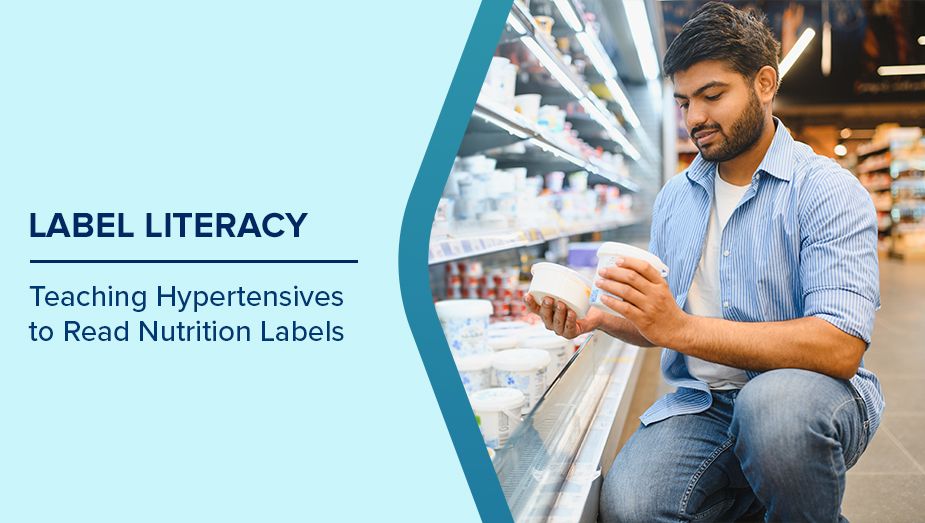
Living with high blood pressure means making smarter choices about what goes on your plate. But here’s the problem: packaged foods often look healthy on the front, while their nutrition labels tell a very different story. For people managing hypertension, this can be confusing and even risky. Learning how to read food labels for hypertension is one of the most powerful tools to protect your heart and keep your blood pressure in check.
Why Nutrition Labels Matter for Hypertensives
If you have high blood pressure, even a small increase in daily sodium intake can worsen your condition. What’s tricky is that sodium hides in foods you’d never expect, from bread and soups to breakfast cereals and sauces. Nutrition labels give you the details you need to choose wisely, but only if you know what to look for.
How to Read Food Labels for Hypertension
Start with the Serving Size
This is often overlooked but is crucial. A package may look like one serving, but the label might list two or more. If a “low-sodium” soup lists 400 mg sodium per serving but you eat the whole can (two servings), you’re actually consuming 800 mg.
Check the Sodium Content First
For people with high blood pressure, less sodium is always better. Look for foods with:
- 140 mg or less per serving (these are considered low sodium).
- Avoid items with more than 400 mg per serving, especially if you eat them often.
Pro tip: Words like “reduced sodium” can be misleading. It only means less than the original product, not necessarily low.
Watch Out for Hidden Sodium Sources
Sodium often hides under different names, including:
- Monosodium glutamate (MSG) – flavour enhancer
- Sodium bicarbonate (baking soda)
- Sodium nitrate/nitrite – used in processed meat
- Sodium citrate – used in processed foods and drinks
These may be tucked into the ingredient list, so scanning beyond just the nutrition facts is essential.
Pay Attention to Percent Daily Value (%DV)
This shows how much of your daily nutrient intake one serving contains. For sodium, look for %DV under 5% per serving. Anything above 20% is too high for hypertensives.
Don’t Ignore Added Sugars
While sodium is the main culprit, added sugars also impact heart health. Choose foods with minimal added sugar to help manage your weight and reduce heart disease risk.
Hidden Sodium in Packaged Foods
You might expect chips or canned soups to be salty, but what about:
- Breakfast cereals (some have 200–300 mg sodium per serving)
- Bread and rolls (up to 150 mg per slice)
- Salad dressings and sauces (often very high in sodium)
- Instant noodles and packaged meals (can exceed daily sodium limits in one serving)
Even “healthy” frozen meals may carry over 700 mg of sodium each. Always check before assuming it’s safe.
Low Sodium Diet Tips for Heart Health
- Cook more at home: Preparing meals from scratch gives you full control over sodium levels.
- Rinse canned foods: Beans, vegetables, and even tuna can lose up to 40% of sodium when rinsed.
- Use herbs and spices: Garlic, lemon, pepper, and fresh herbs make food flavorful without added salt.
- Choose fresh over processed: Fresh fruits, vegetables, lean meats, and whole grains are naturally low in sodium.
- Go for “no salt added” options: Many canned and packaged items now come in reduced or no-salt varieties.
The Bigger Picture: Heart-Healthy Nutrition Labels
The goal isn’t just reading labels but using that information to make better choices. Over time, small changes like replacing high-sodium snacks with nuts or fresh fruits can have a big impact on your blood pressure and overall heart health.
Conclusion
Label literacy is a life-saving skill for anyone managing hypertension. By understanding nutrition labels for high blood pressure patients, you can protect your heart, enjoy better meals, and prevent future complications.
If you are unsure how much sodium or sugar you should be consuming, talk to a healthcare professional or dietitian. They can guide you with personalised targets and meal plans.
Frequently Asked Questions
Can I completely avoid sodium if I have high blood pressure?
No, your body still needs some sodium. The goal is to reduce intake to safe levels (ideally below 1,500 mg per day, depending on your doctor’s advice).
Are “low-fat” foods safe for hypertensives?
Not always. Low-fat products often replace fat with sugar or sodium for taste. Always check the label carefully.
How do I know if a restaurant meal is high in sodium?
Many restaurants now provide nutrition facts online. If not, assume processed sauces and dressings are high in sodium and request modifications.
Is sea salt better than regular table salt for hypertension?
No, sea salt, Himalayan salt, and table salt all contain similar amounts of sodium and should be limited.
Where can I find free nutrition label reading workshops or resources?
Many community health centres, pharmacies, and hospitals offer free sessions on healthy eating and label reading, often during health awareness events.
Written and Verified by:

Related Blogs


Dr. Neera Aggarwal In Obstetrics And Gynaecology , Nutrition And Dietetics
Nov 07 , 2020 | 7 min read
Blogs by Doctor

Impact of Heat Waves on Children’s Health
Ms. Kalpana Gupta In Nutrition And Dietetics
Jun 21 , 2022 | 1 min read

5 Benefits of Probiotics You Should be Aware of!
Ms. Kalpana Gupta In Nutrition And Dietetics
Sep 12 , 2022 | 2 min read
Most read Blogs

Related Blogs
Dr. Neera Aggarwal In Obstetrics And Gynaecology , Nutrition And Dietetics
Nov 07 , 2020 | 7 min read
Blogs by Doctor
Impact of Heat Waves on Children’s Health
Ms. Kalpana Gupta In Nutrition And Dietetics
Jun 21 , 2022 | 1 min read
5 Benefits of Probiotics You Should be Aware of!
Ms. Kalpana Gupta In Nutrition And Dietetics
Sep 12 , 2022 | 2 min read
Most read Blogs