 WhatsApp Us (24/7)
 +91 926 888 0303 (24/7)


To Book an Appointment
Call Us+91 926 888 0303Decoding Life’s Essential 8: A Practical Guide to Heart-Healthy Living
By Dr. B. L. Agarwal in Cardiac Sciences , Cardiac Surgery (CTVS)
Jan 05 , 2026 | 4 min read
1

Heart disease is one of the major health challenges worldwide, but many of its risks can be lowered through daily lifestyle choices. Life’s Essential 8 highlights the eight key areas that build a strong foundation for cardiovascular wellness. These steps are simple, practical, and effective, helping people of all ages protect their hearts and live with more vitality.
Whether you’re just starting your career, balancing a busy family life, or planning for healthy ageing, making small changes in these areas can create lasting results. Let’s dive into each of the eight essentials and explore how you can put them into action.
Eat Better
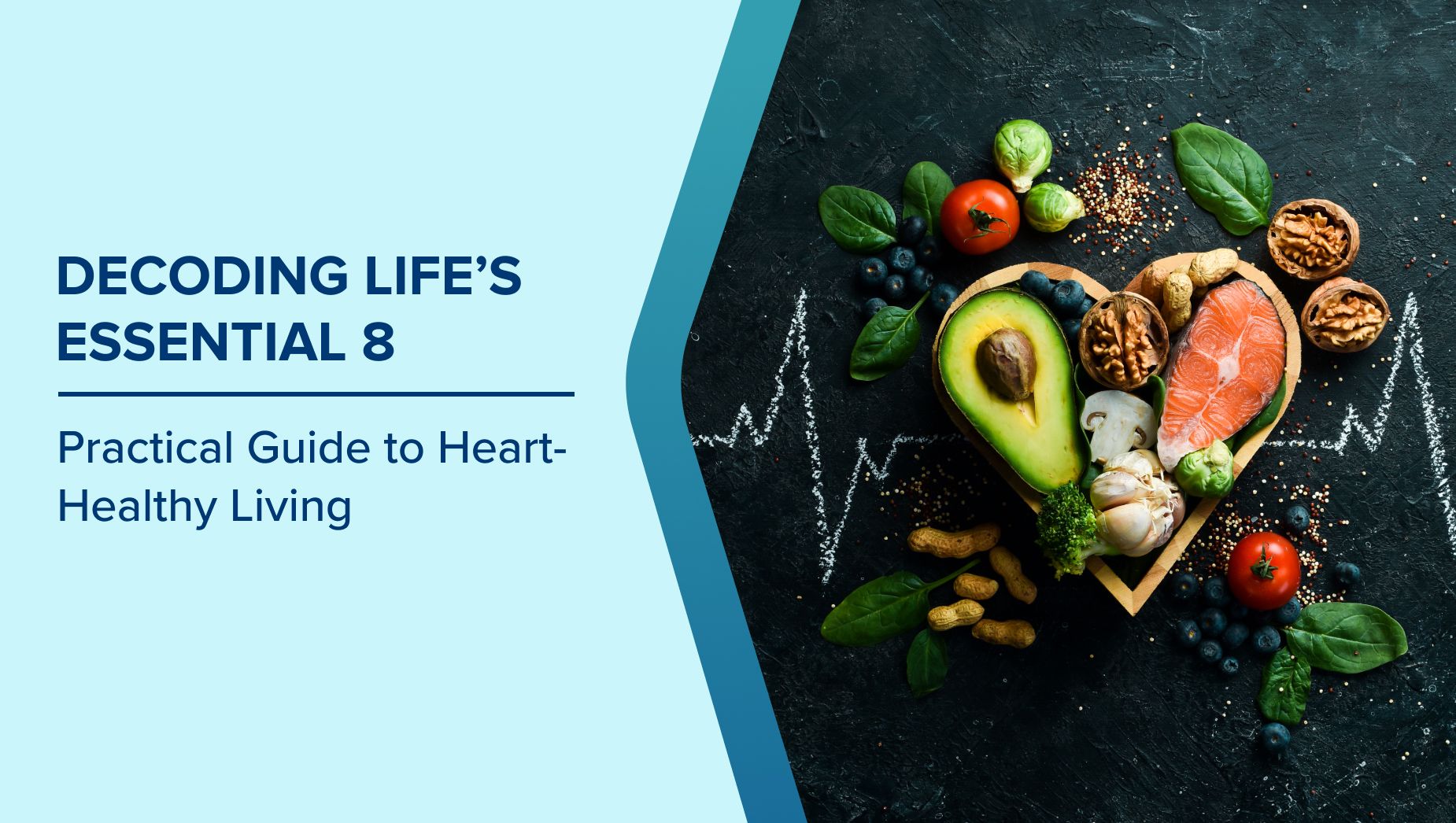
A balanced diet is at the core of heart health. Choose meals rich in fruits, vegetables, whole grains, lean proteins, legumes, nuts, and seeds. Healthy fats like olive oil and canola oil are better options compared to processed or fried foods. Limiting added sugars, refined grains, and excess salt can also prevent high blood pressure and cholesterol.
Practical tip: Try filling half your plate with colourful vegetables and swapping sugary drinks with water or herbal teas.
Be More Active
Movement keeps your heart strong. Aim for at least 150 minutes of moderate exercise (like brisk walking or cycling) or 75 minutes of vigorous activity (like running or swimming) each week.
Practical tip: Choose activities you enjoy, such as dancing, gardening, or even daily walks with a friend, that count toward your weekly goal. The key is consistency.
Quit Tobacco
Tobacco in any form, whether smoking or vaping, harms the heart and blood vessels. Quitting reduces the risk of heart disease, stroke, and lung conditions. Even avoiding secondhand smoke can make a big difference.
Practical tip: Start by cutting down gradually, replacing the habit with healthier coping methods like deep breathing, light exercise, or keeping your hands busy.
Get Healthy Sleep
Sleep is not just rest, it’s repair time for the body. Adults need between 7 and 9 hours of good-quality sleep each night. Lack of quality sleep can raise the chances of developing obesity, high blood pressure, diabetes, and heart-related diseases.
Practical tip: Go to bed at the same time each night, limit screen use before sleeping, and keep your surroundings calm to rest better.
Manage Weight
Keeping a healthy weight helps ease the load on the heart and decreases the chances of developing diabetes and high blood pressure. Body Mass Index (BMI) is often used to estimate healthy weight, with 18.5 to 25 considered within the ideal range.
Achieve and maintain an ideal body weight with no abdominal obesity as it’s associated with metabolic dysfunction and related problems like insulin resistance, pre-diabetes, diabetes, high BP and cholesterol and hence higher incidence of cardio-vascular diseases. Abdominal girth at the umbilicus should be half or less of the height of the individual.
Practical tip: Focus less on quick fixes and more on long-term habits like balanced meals and regular activity. Even small, steady changes bring lasting benefits.
Control Cholesterol
Cholesterol plays a key role in cardiovascular health. High levels of non-HDL cholesterol (bad cholesterol) can lead to blocked arteries, while HDL cholesterol (good cholesterol) helps clear them.
Practical tip: Add fibre-rich foods such as oats, beans, and apples to your diet. Cut down on saturated fats and stay physically active to keep cholesterol in check.
Manage Blood Sugar
When blood sugar stays too high for too long, it can harm the organs and blood vessels. Monitoring and stabilising blood sugar levels reduces the risk of diabetes and heart problems.
Practical tip: Limit sugary snacks, balance meals with protein and fibre, and manage portion sizes. Regular activity also helps regulate blood sugar naturally.
Manage Blood Pressure
Often called the “silent killer,” high blood pressure usually shows no symptoms but can cause serious damage over time. The healthy range is below 120/80 mm Hg.
Practical tip: Reduce salt intake, stay active, and find ways to manage stress. Regular home monitoring can also help you stay on track.
Maintain a Good Emotional Health
Achieve & maintain a good emotional health - Avoid and manage unnecessary stress, anxiety & depression. Be happy and socialise.
Putting Life’s Essential 9 into Practice
Heart health doesn’t require a complete life overhaul. Start small, focus on one or two essentials, build habits, and expand gradually. For example, swap one sugary drink with water, add a short walk after dinner, or set a consistent sleep schedule. Over time, these small steps compound into big improvements.
Conclusion
Daily choices shape your heart health. By embracing Life’s Essential 8, you give yourself the gift of energy, resilience, and longevity. Whether your goal is preventing disease or simply living a more vibrant life, these eight essentials provide a simple yet powerful roadmap to a healthier future.
Frequently Asked Questions
Can Life’s Essential 8 help reduce stress-related heart risks?
Yes, while stress itself is not one of the eight essentials, improving sleep, staying active, and eating well can reduce stress and indirectly support heart health.
How often should cholesterol be checked?
For most adults, every 4–6 years is recommended. Those with risk factors may need more frequent testing.
Are these habits suitable for all age groups?
Yes, while adjustments may be made for children, older adults, or those with medical conditions, the core principles apply across all ages.
Can following these essentials reverse existing heart disease?
They may not reverse advanced disease, but they can slow its progression, improve quality of life, and reduce complications.
How can busy professionals integrate these habits into daily life?
Simple actions like walking during breaks, meal prepping, setting reminders for hydration, and sticking to a bedtime routine can fit into tight schedules.
Written and Verified by:

Related Blogs

Dr. Ritwick Raj Bhuyan In Cardiac Sciences , Cardiac Surgery (CTVS)
Nov 08 , 2020 | 2 min read

Dr. Gaurav Minocha In Cardiac Sciences
Nov 08 , 2020 | 4 min read
Blogs by Doctor

Heart Diseases: Symptoms, Causes, and Warning Signs
Dr. B. L. Agarwal In Cardiac Sciences , Interventional Cardiology
Dec 31 , 2024 | 3 min read
Most read Blogs


Related Blogs
Dr. Ritwick Raj Bhuyan In Cardiac Sciences , Cardiac Surgery (CTVS)
Nov 08 , 2020 | 2 min read
Dr. Gaurav Minocha In Cardiac Sciences
Nov 08 , 2020 | 4 min read
Blogs by Doctor
Heart Diseases: Symptoms, Causes, and Warning Signs
Dr. B. L. Agarwal In Cardiac Sciences , Interventional Cardiology
Dec 31 , 2024 | 3 min read
Most read Blogs