 WhatsApp Us (24/7)
 +91 926 888 0303 (24/7)


To Book an Appointment
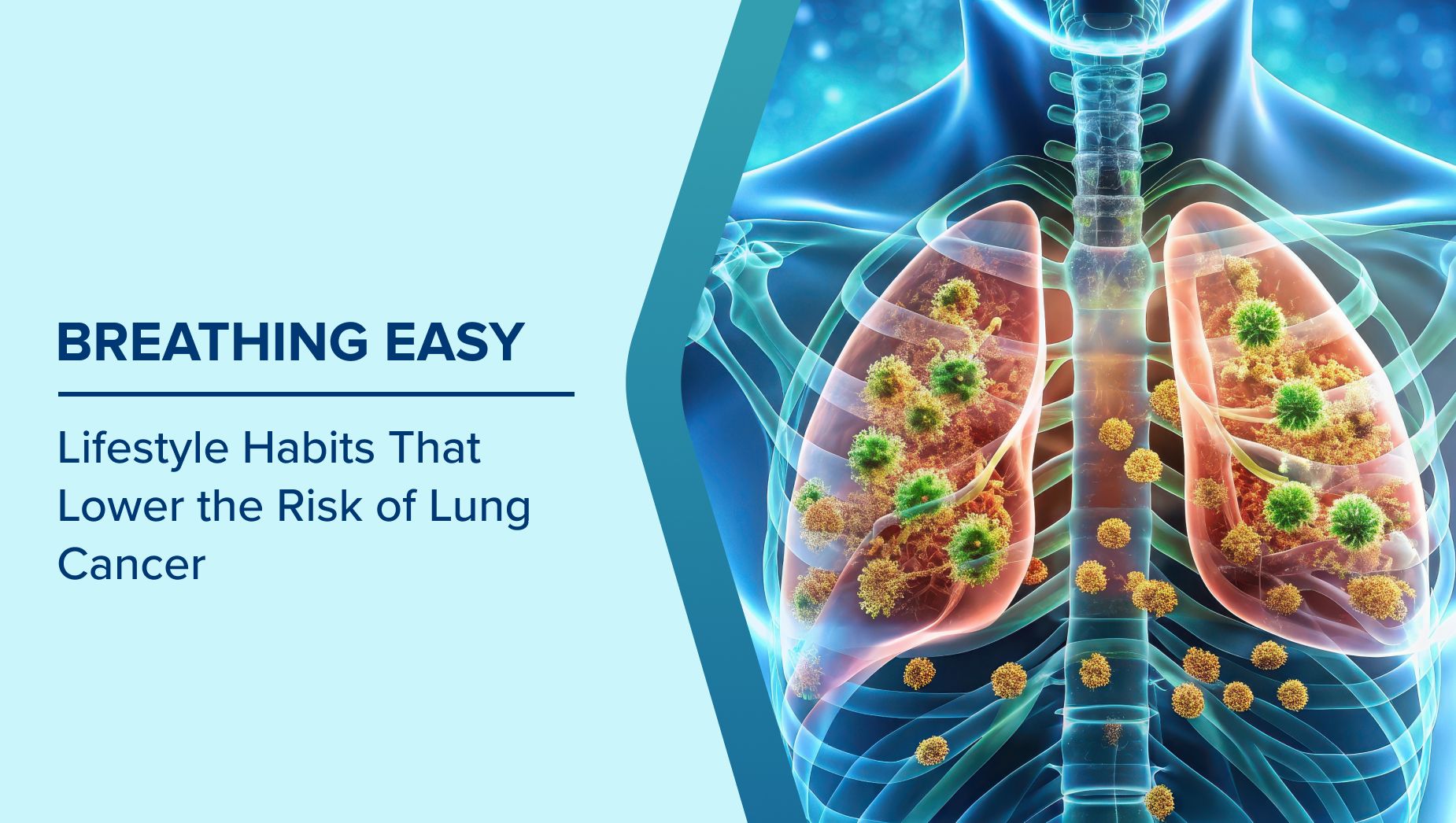
Call Us+91 926 888 0303Breathing Easy: Lifestyle Habits That Lower the Risk of Lung Cancer
By Dr Alok Srivastava in Pulmonology
Jan 05 , 2026 | 4 min read

Lung cancer is one of the most common and serious types of cancer worldwide. In India, lung cancer accounts for 5.9% of all cancers and 8.1% of cancer-related deaths. It is the most common cancer among Indian men and a leading cause of cancer-related death globally. The number of cases in India is expected to increase significantly, with one projection suggesting a tripling of cases by 2025 compared to a decade earlier.
While some factors, such as genetics and the environment, cannot be controlled, research shows that many everyday lifestyle choices can make a real difference in reducing the risk. Small, consistent changes in daily habits not only support lung health but also improve overall well-being. In today’s busy world filled with pollution, stress, and unhealthy routines, making mindful lifestyle choices is more important than ever.
Quit Smoking
Smoking is the leading cause of lung cancer across the globe. Tobacco smoking, whether active or passive, is associated with 90% of lung cancer cases. Chewing tobacco also elevates lung cancer risk. Quitting smoking, even after many years, can greatly reduce the risk. Within weeks of stopping, the lungs begin to heal, and the chances of developing cancer start to decrease over time. People who find it hard to quit can seek support through nicotine replacement options, counselling, and quit-smoking programs.
Stay Away from Secondhand Smoke
Breathing in smoke from others is almost as harmful as smoking directly. Secondhand smoke contains chemicals that can damage lung tissue and raise the risk of cancer. Creating smoke-free spaces at home, in vehicles, and around children is a simple but very effective way to protect yourself and loved ones.
Follow a Nutritious Diet
Eating healthy food plays a key role in lowering cancer risk. A diet that includes fresh fruits, vegetables, whole grains, and lean proteins can strengthen the immune system and improve lung health. Foods rich in antioxidants, such as berries, spinach, and carrots, may help protect the lungs from damage. Avoiding processed foods, sugary snacks, and red meat also supports long-term health.
Stay Active and Exercise Regularly
Regular physical activity helps in more ways than one. It keeps body weight under control, improves lung capacity, and supports the immune system. Simple activities like walking, cycling, yoga, or swimming boost oxygen levels and reduce inflammation in the body. Aim for at least 30 minutes of exercise most days of the week.
Reduce Exposure to Air Pollution
Pollution has become a growing threat to lung health. High levels of air pollution, particularly PM2.5, are associated with an increased risk of lung adenocarcinoma in non-smokers. Long-term exposure to polluted air, dust, and smoke can damage the lungs. Using air purifiers at home, wearing masks in polluted areas, and avoiding outdoor workouts during peak pollution hours can help protect your lungs. Supporting clean-air initiatives also benefits communities in the long run.
Check for Radon Gas at Home
Radon is a natural gas found in some houses and can lead to lung cancer when inhaled over time. Testing your home for radon using simple kits is an important preventive step. If levels are high, radon reduction systems can help make your home safer.
Manage Stress Effectively
Stress affects overall health, including the lungs, by weakening the immune system. Practising mindfulness, meditation, or breathing exercises helps lower stress and keeps the body strong. Prioritising mental health not only improves daily life but also reduces risks linked to long-term illnesses.
Go for Regular Health Check-Ups
Regular check-ups and screenings are crucial, especially for those at high risk of lung cancer. Detecting early warning signs such as persistent cough, chest pain, or difficulty in breathing makes treatment more effective. Annual health screenings and doctor consultations should be part of every preventive health plan.
Conclusion
Lung cancer cannot be prevented completely, but the risk can be lowered by making smart lifestyle choices. Quitting smoking, eating a balanced diet, exercising regularly, avoiding pollution, managing stress, and going for regular check-ups are all powerful steps that protect lung health. By taking charge today, you can create a healthier tomorrow and breathe easier for years to come.
Frequently Asked Questions
Can people who never smoked still develop lung cancer?
Yes, non-smokers can also develop lung cancer due to factors like air pollution, radon exposure, or family history. Adopting healthy habits still helps reduce the risk.
Is vaping less harmful than smoking cigarettes?
Vaping is not risk-free. E-cigarettes still release harmful chemicals, and their long-term effects on lung health are not fully understood.
Does sleep play a role in cancer prevention?
Yes, poor sleep affects the immune system and increases inflammation, which may raise cancer risk. Quality sleep is necessary for overall health, including lung function.
Are there foods that specifically protect the lungs?
Fruits and vegetables rich in antioxidants, such as citrus fruits, leafy greens, and nuts, support lung health and protect against damage.
Should people with a family history of lung cancer get checked more often?
Yes, those with a family history should talk to their doctor about lung cancer screening to detect any problems at an early stage.
Written and Verified by:

Related Blogs

Medical Expert Team
Jun 06 , 2015 | 2 min read

Blogs by Doctor
Breathe Easy This Winter: Tips to Keep Your Lungs Strong and Healthy
Dr Alok Srivastava In Pulmonology , Critical Care
Nov 20 , 2025 | 4 min read
Most read Blogs


Related Blogs
Medical Expert Team
Jun 06 , 2015 | 2 min read
Blogs by Doctor
Breathe Easy This Winter: Tips to Keep Your Lungs Strong and Healthy
Dr Alok Srivastava In Pulmonology , Critical Care
Nov 20 , 2025 | 4 min read
Most read Blogs