 WhatsApp Us (24/7)
 +91 926 888 0303 (24/7)


To Book an Appointment
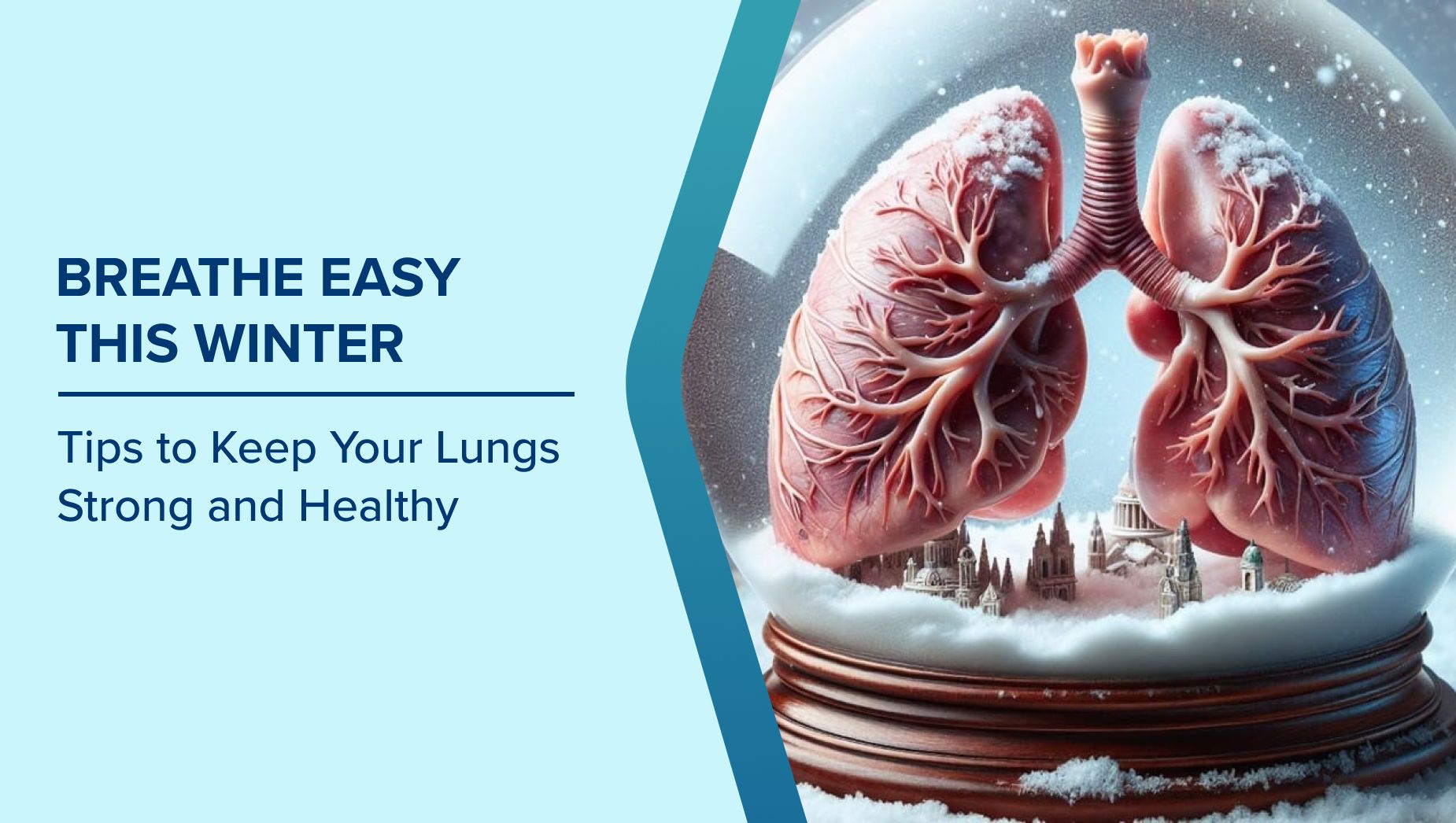
Call Us+91 926 888 0303Breathe Easy This Winter: Tips to Keep Your Lungs Strong and Healthy
By Dr Alok Srivastava in Pulmonology , Critical Care
Nov 20 , 2025 | 4 min read

Winter brings cosy sweaters, hot drinks and festive joy, but for our lungs it also brings a set of hidden challenges. Cold air, indoor heating, higher pollution and seasonal infections all combine to affect respiratory wellness in ways many of us don’t fully appreciate. By taking a few thoughtful steps this season, you can protect your lungs, avoid coughing and chest congestion and embrace better breathing for the months ahead.
Why Winter Affects Your Lungs
Cold air and low humidity irritate airways and reduce the natural moisture in your nose and throat. This makes it harder for your lungs to filter out germs and particles.
Winter often brings increased pollution, especially in cities where stagnant air traps fine particles (PM2.5) and harmful gases. These particles penetrate deep into the lungs and cause inflammation and breathing problems.
Because we spend more time indoors, viruses like the flu, colds and RSV spread more easily and affect the lungs. All of these factors increase the risk of respiratory issues, including bronchitis, asthma flare-ups, COPD episodes, and general breathing discomfort.
Signs Your Lungs Need Extra Care in Winter
It is important to recognise early warning signs so you can act before the problem worsens. Keep an eye out for:
- A persistent cough that lasts more than a week or two.
- Wheezing or audible whistling when you breathe, especially in cold air.
- Shortness of breath when you used to be comfortable.
- A feeling of chest tightness or increased mucus production.
- Unusual fatigue or reduced exercise tolerance in winter.
Simple Ways to Protect Your Lungs in Winter
Stay Warm and Moisturise the Air
Cold, dry indoor air contributes to airway irritation. Use a humidifier to maintain indoor humidity between 30–50%. Clean the device regularly to avoid mould growth. Breathing through your nose warms and moistens air before it reaches your lungs.
Practice Deep Breathing and Lung Exercises
Simple breathing techniques can improve lung capacity and strengthen respiratory muscles. Examples include:
- Diaphragmatic breathing: Sit comfortably, inhale deeply through your nose, let your belly rise, then exhale slowly through your mouth.
- Pursed-lip breathing: Inhale through your nose, then exhale slowly through pursed lips as if you are blowing out a candle.
These exercises support lung function, especially when outside air is cold or polluted.
Avoid Smoke and Indoor Pollutants
Indoor pollution can be worse than outdoor air, especially in winter when windows stay closed. Avoid cigarette smoke and do not use indoor fires or stoves without proper ventilation. Opt for air purifiers if available.
Strengthen Immunity with a Healthy Diet
A nutrient-rich diet supports lung health and resistance to infections. Focus on:
- Antioxidant-rich fruits and vegetables that reduce lung inflammation.
- Omega-3-rich fish or plant sources to support respiratory tissue health.
- Adequate hydration to thin mucus and ease clearance.
Stay Hydrated and Active
Cold weather may reduce thirst, but dehydration increases mucus thickness and breathing difficulty. Drink water and warm fluids. Keep moving: gentle indoor workouts or brisk but safe outdoor walks (when air quality allows) keep lung muscles engaged and clear.
Get Flu and Pneumonia Vaccines if Advised
Respiratory infections amplify lung stress in winter. Ask your healthcare provider whether a flu shot or pneumonia vaccine is appropriate for your age and health status. Vaccination can reduce the risk of infections that significantly affect lung health.
Wear Masks Outdoors (Especially in Pollution-Heavy Cities)
On days with heavy smog or poor air quality, wear a well-fitting mask (such as N95 or equivalent) and limit outdoor exposure. Cold outdoor air combined with pollution increases respiratory risk, especially for sensitive individuals.
Medical Conditions That Need Special Lung Care in Winter
If you have asthma, chronic obstructive pulmonary disease (COPD) or a history of lung infections, winter requires extra care. Cold air can cause bronchoconstriction, narrowing of the airways and trigger flare-ups.
For smokers or former smokers, the respiratory system may be more vulnerable. Regular check-ups, staying current with inhalers or medications, and prioritising lung health are key. If you have recurring chest infections, breathlessness or worsening cough in winter, speak with your lung specialist.
When to See a Doctor
Seek timely medical advice if you notice any of the following:
- A cough that lasts more than three weeks or produces blood.
- Sudden or increasing shortness of breath, especially in cold air.
- Wheezing or chest pain that increases with breathing.
- Repeated respiratory infections despite your care efforts.
- Persistent fatigue or decline in exercise capacity.
Conclusion
Winter need not be a season of struggle for your lungs. With simple, consistent habits, you can maintain strong respiratory wellness, covering everything from deep breathing and warm indoor air to hydration, nutrition and safe outdoor habits. If you or someone in your home has a lung condition, taking action now matters more than ever. Your lungs work silently every moment; give them the support they deserve this winter and beyond.
Frequently Asked Questions
What are the best foods to improve lung function in winter?
Warm soups with leafy greens, berries rich in antioxidants, oily fish for omega-3 and ginger or garlic for anti-inflammatory benefits support lung health. Avoid heavy, greasy meals that may reduce lung efficiency and increase phlegm.
How does indoor heating affect lung health?
Indoor heaters often dry out the air, irritating airways and increasing mucus thickness. Keep humidity moderate, ventilate well, and avoid sitting close to direct heat sources for long periods to protect your lungs.
Can steam inhalation really help keep the lungs clear?
Short, gentle steam inhalation may ease breathing by loosening mucus and soothing airways. However, it is no substitute for medical care if you have a lung condition or persistent symptoms. Use as a supportive measure only.
Is winter air bad for people with mild allergies?
Yes, cold air, indoor dust, mould and increased indoor time raise allergy and asthma triggers even in mild cases. Use masks outdoors, keep indoor air clean and follow allergy-management plans set by your doctor.
What type of exercise is best for strengthening your lungs in cold weather?
Moderate indoor workouts, such as brisk walking on a treadmill, cycling, yoga, or stair climbing, help maintain lung capacity without excessive exposure to cold outdoor air. Always warm up slowly and monitor your breathing comfort.
Written and Verified by:

Related Blogs

Medical Expert Team
Jun 06 , 2015 | 2 min read

Blogs by Doctor
Breathing Easy: Lifestyle Habits That Lower the Risk of Lung Cancer
Dr Alok Srivastava In Pulmonology
Sep 30 , 2025 | 4 min read
Most read Blogs


Related Blogs
Medical Expert Team
Jun 06 , 2015 | 2 min read
Blogs by Doctor
Breathing Easy: Lifestyle Habits That Lower the Risk of Lung Cancer
Dr Alok Srivastava In Pulmonology
Sep 30 , 2025 | 4 min read
Most read Blogs