 WhatsApp Us (24/7)
 +91 926 888 0303 (24/7)


To Book an Appointment
Call Us+91 926 888 0303Silent Kidney Disease: Symptoms & Risk Factors
By Dr Blessy Sehgal in Nephrology
Mar 30 , 2026 | 3 min read
5

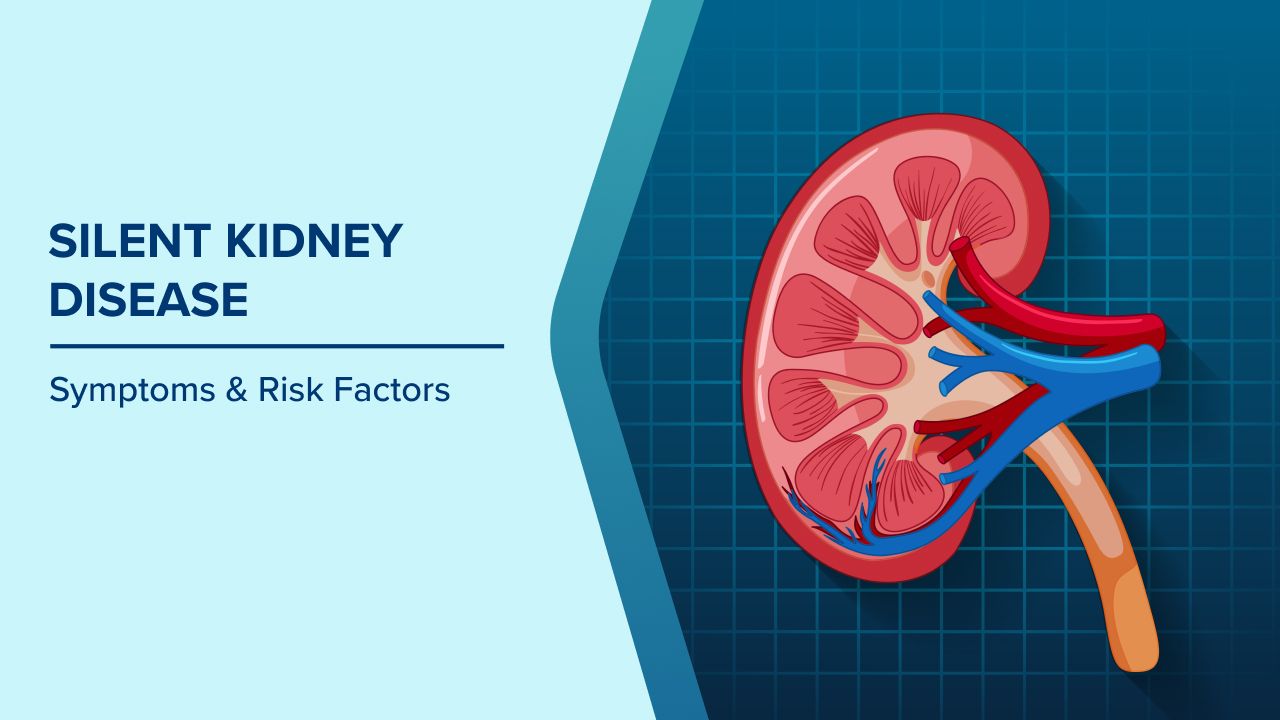
Kidney disease is often underdiagnosed, as many people remain unaware of the condition until it has progressed to an advanced stage. In many cases, individuals seek medical attention only when kidney function is already significantly affected. This delay can lead to increased physical, emotional, and financial challenges for both patients and their families.
Why Are Kidneys So Important?
The kidneys play a significant role in maintaining overall health by filtering waste products and excess fluids from the blood. It regulates blood pressure, balances electrolytes, and supports red blood cell production. When kidney function declines, these essential processes are disrupted, affecting multiple systems in the body.
Common Risk Factors for Kidney Disease
Several lifestyle and health-related factors can increase the risk of developing chronic kidney disease. These include:
- Diabetes
- High blood pressure
- Obesity
- High intake of processed and salty foods
- Frequent use of over-the-counter medications, especially painkillers
- Exposure to environmental toxins
- Family history of kidney disease
Even individuals who appear physically healthy may still be at risk due to underlying metabolic factors.
Symptoms to Watch For
Kidney disease often progresses silently in the early stages. Symptoms usually appear only when there is significant damage. These may include:
- Persistent weakness or fatigue
- Loss of appetite
- Nausea or vomiting
- Changes in urination patterns
- Blood or foam in urine
- Swelling in the body
- Breathlessness
- Excessive drowsiness
Because these symptoms appear late, relying on them alone is not effective for early detection.
Importance of Early Screening
Regular health screening is one of the most effective ways to detect kidney disease early, especially for individuals at higher risk. Simple blood and urine tests can help identify problems at an early stage, allowing timely treatment and prevention of complications.
People with diabetes, high blood pressure, or a family history of kidney disease should prioritise routine check-ups and medical consultations.
Simple Steps to Keep Your Kidneys Healthy
Maintaining kidney health does not require complicated measures. Consistent lifestyle habits can make a significant difference:
- Engage in regular physical activity
- Maintain a healthy body weight
- Limit intake of processed and high-salt foods
- Avoid unnecessary use of painkillers and self-medication
- Stay adequately hydrated
- Avoid unregulated or unsafe herbal remedies
- Quit smoking
- Keep blood sugar and blood pressure under control
- Follow regular medical advice and check-ups
Conclusion
Kidney disease often develops quietly, with symptoms appearing only in later stages. This makes awareness and early screening important. Consistent care and preventive steps can go a long way in ensuring long-term health.
Written and Verified by:

Related Blogs

Dr. Puneet Arora In Nephrology
Nov 11 , 2020 | 2 min read

Nov 11 , 2020 | 9 min read
Blogs by Doctor


Most read Blogs


Related Blogs
Dr. Puneet Arora In Nephrology
Nov 11 , 2020 | 2 min read
Nov 11 , 2020 | 9 min read
Blogs by Doctor
Most read Blogs