 WhatsApp Us (24/7)
 +91 926 888 0303 (24/7)


To Book an Appointment
Call Us+91 926 888 0303How High Salt Diet Effects Kidneys: Warning Signs & Prevention
By Dr Blessy Sehgal in Nephrology
Mar 23 , 2026

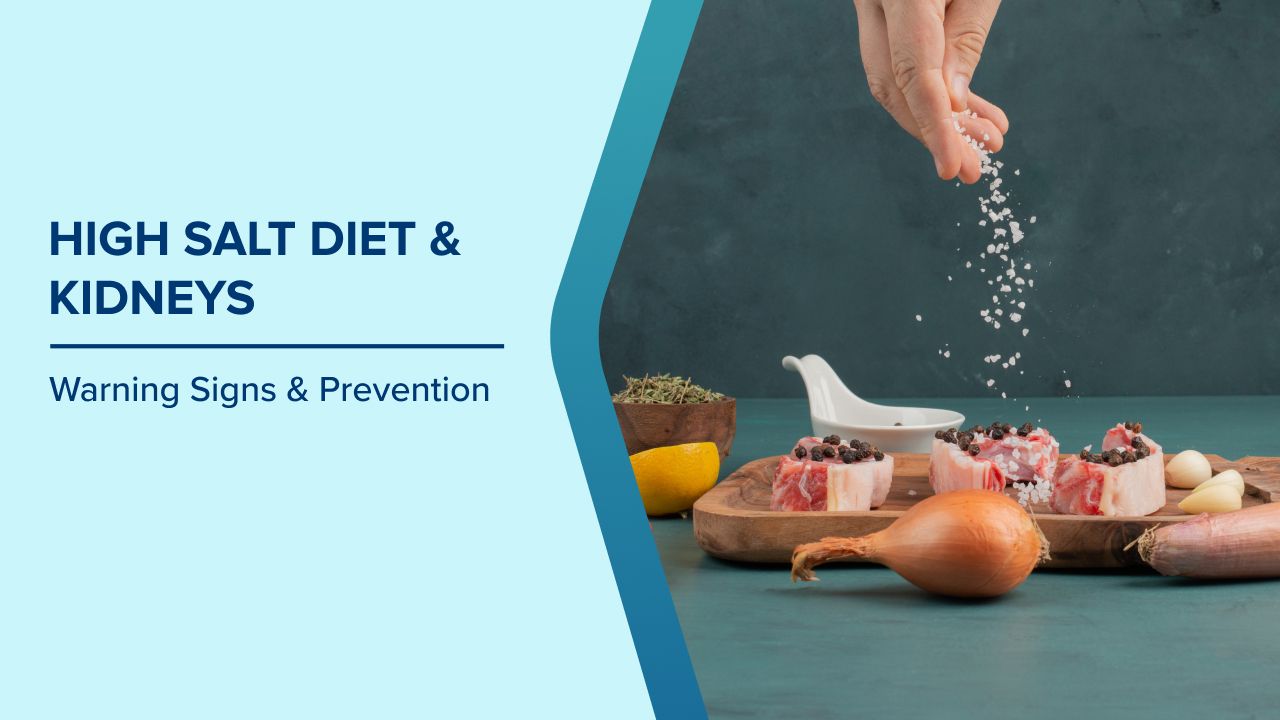
Most people think of salt as a simple seasoning. It makes food taste better and enhances flavour in almost every cuisine. However, the amount of salt in modern diets has quietly increased over the years. From packaged snacks to restaurant meals, sodium is everywhere. While taste buds may enjoy it, the kidneys often pay the price.
A high-sodium diet can gradually affect kidney health without obvious symptoms at first. The kidneys are responsible for maintaining fluid balance, regulating blood pressure, and filtering waste. When salt intake and kidneys fall out of balance, the impact can build over time.
Understanding how excess sodium affects renal function is the first step toward protecting long-term health.
How Kidneys Manage Salt and Fluid Balance
The kidneys act as the body’s natural filtration system. Every day, they process blood, remove waste, and regulate important minerals such as sodium and potassium.
When you consume salt, sodium enters the bloodstream. The kidneys decide how much sodium to retain and how much to eliminate through urine. This process helps maintain:
- Proper electrolyte balance
- Stable blood pressure
- Healthy fluid levels
- Optimal nerve and muscle function
In a balanced diet, this system works smoothly. Problems begin when sodium intake consistently exceeds the body's actual needs.
What Happens When Salt Intake Becomes Excessive
A high-sodium diet forces the kidneys to work harder. When there is too much sodium in the bloodstream, the body retains water to dilute it. This leads to water retention, which increases the volume of blood circulating through the vessels.
Over time, this extra workload can strain renal function. The consequences may include:
- Increased pressure inside the filtering units of the kidneys
- Reduced efficiency in waste removal
- Progressive damage to delicate kidney structures
- Higher risk of chronic kidney disease
The body often adapts quietly in the early stages. That is why many people are unaware of the stress placed on their kidneys until significant changes occur.
High Blood Pressure and Kidney Damage
One of the strongest links between salt intake and kidneys involves blood pressure.
Excess sodium contributes to high blood pressure by increasing fluid volume in the bloodstream. Persistently elevated pressure can damage blood vessels throughout the body, including those in the kidneys.
When kidney blood vessels narrow or stiffen:
- Blood flow to the filtering units decreases
- Waste removal becomes less efficient
- Toxin buildup may occur
- The risk of kidney disease increases
High blood pressure and kidney damage often form a cycle. Damaged kidneys can further raise blood pressure, creating a worsening loop that requires medical attention.
Early Warning Signs of Kidney Stress
Kidney damage does not always cause immediate pain. However, subtle warning signs may appear as kidney function begins to decline.
Possible early indicators include:
- Swelling in the feet, ankles, or face
- Persistent fatigue
- Changes in urination patterns
- Foamy or unusually dark urine
- Frequent headaches related to elevated blood pressure
These symptoms do not confirm kidney disease, but should never be ignored. Regular monitoring helps detect changes before serious complications develop.
Hidden Salt in Food and Modern Eating Habits
Most dietary sodium does not come from the salt shaker. Processed foods and sodium-rich convenience items contribute significantly to daily intake.
Common sources of hidden salt in food include:
- Packaged soups and instant noodles
- Frozen ready meals
- Processed meats
- Sauces and condiments
- Bakery products
- Restaurant and fast food meals
Even foods that do not taste salty may contain high levels of sodium for preservation and flavour enhancement.
Reading nutrition labels carefully is essential. Words such as sodium bicarbonate, monosodium glutamate, and sodium nitrate also indicate the presence of added sodium.
Modern lifestyles often prioritise speed and convenience, which increases dependence on packaged foods. This pattern quietly raises salt intake beyond recommended levels.
Who Is at Higher Risk from Excess Sodium
While anyone can experience the effects of a high-sodium diet, certain individuals face a greater risk.
Higher risk groups include:
- People with existing high blood pressure
- Individuals with diabetes
- Adults over 40
- Those with a family history of kidney disease
- Individuals with obesity
- People who frequently consume processed foods
For these groups, reducing sodium intake is especially important for preserving kidney health and preventing chronic kidney disease.
Practical Steps to Reduce Salt Intake
Reducing salt intake does not require extreme dieting. Small, consistent adjustments can make a meaningful difference.
Consider these practical strategies:
Cook More at Home
Preparing meals at home allows better control over ingredients.
Use Natural Flavour Alternatives
Enhance taste with herbs, garlic, lemon juice, black pepper, or spices instead of salt.
Choose Fresh Over Processed
Fresh fruits, vegetables, and whole foods contain significantly less sodium.
Rinse Canned Foods
If using canned beans or vegetables, rinsing them can reduce sodium content.
Compare Food Labels
Select products labelled low sodium or no added salt.
These habits contribute to the benefits of a low-sodium diet, such as improved blood pressure control and better kidney protection.
Long-Term Kidney Protection Strategies
Maintaining kidney health requires more than limiting salt alone. A balanced approach supports overall renal function.
Healthy kidney lifestyle practices include:
- Staying adequately hydrated
- Monitoring blood pressure regularly
- Managing blood sugar levels
- Maintaining a healthy weight
- Limiting excessive alcohol consumption
- Avoiding unnecessary overuse of pain medications
There are also many kidney detox myths circulating online. The kidneys do not require special detox drinks or extreme cleanses. They function naturally when supported by healthy daily habits.
A sustainable lifestyle always works better than quick fixes.
The Bigger Picture of Electrolyte Balance
Sodium plays a role in maintaining electrolyte balance, but excess intake disrupts this harmony. When sodium levels rise, potassium balance may shift, further affecting blood pressure and muscle function.
Balanced nutrition supports both minerals without excess. The goal is moderation, not complete elimination.
Understanding how salt intake and kidneys interact empowers individuals to make smarter dietary choices without feeling restricted.
Conclusion
Salt is a normal part of the human diet, but modern eating patterns have shifted toward excess. A high sodium diet places silent strain on kidney health, increasing the risk of high blood pressure and chronic kidney disease over time.
However, simple daily changes can significantly reduce risk. Paying attention to hidden salt in food, choosing fresh ingredients, and adopting a healthy kidney lifestyle create long-term protection.
Kidney health is not about strict deprivation. It is about balance, awareness, and consistent habits that support renal function for years to come.
Frequently Asked Questions
1. Is sea salt safer than regular table salt for kidney health?
Sea salt and table salt contain similar amounts of sodium. The source may differ, but both can contribute to excess sodium intake if used in large amounts.
2. Can sweating during exercise balance out high salt intake?
Sweating does remove some sodium, but it does not counteract the effects of a consistently high-sodium diet. Diet quality remains important regardless of activity level.
3. Are salt substitutes completely safe for people with kidney concerns?
Some salt substitutes contain potassium. People with kidney issues should consult a doctor before using them, as potassium levels must be carefully managed.
4. How can I manage sodium intake while eating out?
Request sauces on the side, avoid fried or processed options, and choose grilled or steamed dishes. Asking about preparation methods can also help reduce hidden sodium consumption.
5. Should children also limit salt to protect kidney health?
Yes, developing taste preferences early influences lifelong habits. Encouraging balanced meals with minimal processed foods supports kidney health from a young age.
Written and Verified by:

Related Blogs

Dr. Puneet Arora In Nephrology
Nov 11 , 2020 | 2 min read

Nov 11 , 2020 | 9 min read
Blogs by Doctor
Silent Kidney Disease: Symptoms & Risk Factors
Dr Blessy Sehgal In Nephrology
Jun 08 , 2015 | 3 min read
Most read Blogs


Related Blogs
Dr. Puneet Arora In Nephrology
Nov 11 , 2020 | 2 min read
Nov 11 , 2020 | 9 min read
Blogs by Doctor
Silent Kidney Disease: Symptoms & Risk Factors
Dr Blessy Sehgal In Nephrology
Jun 08 , 2015 | 3 min read
Most read Blogs