 WhatsApp Us (24/7)
 +91 926 888 0303 (24/7)


To Book an Appointment
Call Us+91 926 888 0303High Blood Pressure: Early Warning Signs, Diagnosis & Prevention
By Dr Pankaj Soni in Cardiac Sciences , Cardiology , Interventional Cardiology , Cardiac Electrophysiology-Pacemaker
Jun 04 , 2026 | 5 min read

High blood pressure is one of the most common health conditions in the world. Most people who have it feel completely fine, and that is exactly what makes it dangerous. Over months and years, it quietly puts strain on the heart, damages the arteries, and raises the risk of serious complications including stroke, kidney failure, and heart disease. The encouraging part is that high blood pressure is not a life sentence. With the right knowledge and a few consistent habits, it is something that can absolutely be managed and controlled. This guide covers everything worth knowing, from understanding blood pressure range to the lifestyle changes and treatments that actually work.
What is High Blood Pressure?
High blood pressure, also known as hypertension, refers to a condition in which the force of blood pushing against the walls of the arteries remains consistently higher than normal. Blood pressure is measured using two values. The first, systolic pressure, shows the force when the heart beats and pumps blood. The second, diastolic pressure, reflects the pressure when the heart rests between beats. When these levels stay elevated over time, it can put extra strain on the blood vessels and vital organs.
In many cases, high blood pressure develops gradually and may not cause noticeable symptoms in the early stages. This is why regular monitoring becomes important. If left uncontrolled, it can affect the heart, brain, kidneys, and eyes over time.
What are the Symptoms of High Blood Pressure?
High blood pressure often develops without clear or consistent symptoms, especially in the early stages. When symptoms do appear, they may be mild and easy to overlook. Some people may experience:
- Headaches: A dull or throbbing pain, often felt at the back of the head and sometimes more noticeable in the morning. It may not always be severe but can feel persistent.
- Dizziness: A feeling of lightheadedness, unsteadiness, or a sensation that the surroundings are spinning. This can occur during sudden movements or even at rest in some cases.
- Shortness of breath: Difficulty in breathing during routine activities such as walking or climbing stairs. It may feel like the body is not getting enough air.
- Nosebleeds: Unexplained or more frequent episodes of bleeding from the nose, especially without injury or dryness as a clear cause.
- Chest discomfort: A sense of tightness, pressure, or uneasiness in the chest. This may be occasional but should not be ignored if it recurs.
- Blurred vision: Difficulty focusing, hazy vision, or seeing spots. This can happen when high blood pressure begins to affect the blood vessels in the eyes.
- Fatigue: Feeling unusually tired or low on energy even after adequate rest, which may affect daily activities.
These symptoms are not specific to high blood pressure and may not appear in every case. Many people with high blood pressure feel completely normal, which is why regular monitoring is important, especially for high risk individuals.
Types of Hypertension
High blood pressure can be classified into different types based on its cause and how it develops.
Primary Hypertension
Also known as essential hypertension, this is the most common type. It develops gradually over time and does not have a single identifiable cause. Instead, it is usually linked to a combination of factors such as ageing, family history, diet, and lifestyle habits. Many people with primary hypertension may not notice symptoms, which is why regular monitoring becomes important.
Secondary Hypertension
This type occurs due to an underlying medical condition. It tends to appear more suddenly and may lead to higher blood pressure levels than primary hypertension. Conditions related to the kidneys, hormones, or certain health disorders can contribute to secondary hypertension. Identifying and managing the underlying cause plays a key role in controlling blood pressure in such cases.
What Causes High Blood Pressure?
High blood pressure usually develops over time and is often the result of several factors working together rather than a single clear cause. These factors can affect how the heart pumps blood and how flexible or narrow the blood vessels become, which in turn raises the pressure within them. Common causes and contributing factors include:
- Unhealthy diet: Regular intake of foods high in salt can cause the body to retain excess fluid, which increases the volume of blood flowing through the vessels and raises pressure. Diets high in processed foods, fried items, and low in fruits, vegetables, and whole grains can also affect overall heart health and contribute to rising blood pressure over time.
- Lack of physical activity: A sedentary lifestyle can weaken the heart and reduce its efficiency in pumping blood. It is also closely linked to weight gain and poor circulation, both of which can increase blood pressure levels.
- Stress: Ongoing stress can lead to repeated temporary increases in blood pressure. Over time, this may begin to have a lasting effect. Stress may also influence habits such as unhealthy eating, poor sleep, smoking, or alcohol use, which can further add to the risk.
- Excess weight: Carrying extra weight means the heart has to work harder to supply blood to the body. This added strain can increase pressure in the arteries. Fat accumulation, especially around the abdomen, is strongly associated with higher blood pressure levels.
- Smoking and alcohol use: Chemicals in tobacco can damage the lining of blood vessels, causing them to narrow and lose flexibility. This makes it harder for blood to flow smoothly. Excessive alcohol intake can affect the heart’s ability to function properly and may lead to a steady rise in blood pressure.
- Family history: Genetics can play a role in how the body regulates blood pressure. People with a family history of hypertension may have a higher likelihood of developing it, especially when combined with lifestyle risk factors.
- Ageing: As age increases, blood vessels tend to become less elastic and more rigid. This natural change can make it more difficult for blood to flow freely, leading to higher pressure within the arteries.
- Underlying medical conditions: Certain health conditions can contribute to high blood pressure. These include kidney disorders, hormonal imbalances, thyroid issues, and conditions that affect blood vessel function. In such cases, managing the underlying condition becomes an important part of controlling blood pressure.
- Poor sleep patterns: Lack of sleep or disrupted sleep can affect the body’s ability to regulate stress hormones and blood pressure levels. Conditions such as sleep-related breathing problems can also contribute to persistent elevation in blood pressure.
- High caffeine intake: Frequent or excessive intake of caffeinated drinks may cause short-term spikes in blood pressure, and in some individuals, this effect may be more pronounced.
Who is at Risk of Developing High Blood Pressure?
High blood pressure can affect anyone, but certain groups of people are more likely to develop it. Such category of people include:
- Elderly: The risk increases with age as blood vessels become less flexible, making it easier for pressure to build up.
- People with a family history of high blood pressure: Those with parents or close relatives who have hypertension may have a higher likelihood of developing it.
- People who are overweight or obese: Excess body weight puts added strain on the heart and blood vessels.
- People with a sedentary lifestyle: Limited physical activity can affect heart health and contribute to weight gain.
- People with unhealthy eating habits: Diets high in salt and processed foods and low in fruits and vegetables can increase the risk.
- People who smoke or consume alcohol regularly: Tobacco and excessive alcohol use can damage blood vessels and affect blood pressure control.
- People experiencing ongoing stress: Long-term stress can lead to repeated increases in blood pressure and influence other lifestyle habits.
- People with existing health conditions: Conditions such as diabetes, kidney disorders, hormonal imbalances, and sleep-related breathing issues can raise the risk.
- People with poor sleep patterns: Irregular or inadequate sleep can interfere with normal blood pressure regulation.
- People who consume high amounts of caffeine: Regular intake of large amounts of caffeinated drinks may contribute to fluctuations in blood pressure in some individuals.
What are the Possible Complications of High Blood Pressure?
When high blood pressure remains uncontrolled over time, it can put continuous strain on blood vessels and vital organs. This can gradually lead to serious health complications including:
Heart Disease
High blood pressure forces the heart to work harder than normal. Over time, this can cause the heart muscle to thicken and become less efficient. It increases the risk of conditions such as heart failure and reduced blood supply to the heart.
Stroke
Increased pressure can weaken or damage blood vessels in the brain. This raises the risk of a blockage or rupture, which can interrupt blood flow to the brain and lead to a stroke.
Kidney Problems
The kidneys depend on healthy blood vessels to filter waste from the blood. High blood pressure can damage these vessels, affecting kidney function and, in severe cases, leading to kidney failure.
Vision Problems
Blood vessels in the eyes can be affected by prolonged high pressure. This may lead to blurred vision, difficulty focusing, or gradual vision loss if not managed in time.
Blood Vessel Damage
Constant high pressure can cause arteries to become narrow, stiff, or weakened. This affects normal blood flow and increases the risk of other cardiovascular conditions.
Brain-Related Issues
Reduced or disrupted blood flow to the brain over time can affect memory, concentration, and overall cognitive function.
Sexual Health Problems
High blood pressure can affect blood flow to different parts of the body, which may contribute to sexual health concerns in some individuals.
How Can High Blood Pressure be Managed?
Managing high blood pressure focuses on keeping levels within a healthy range over time. This usually involves a combination of lifestyle changes and medical care, depending on how high the readings are and overall health.
Lifestyle Changes
Simple, consistent changes in daily habits can play a key role in controlling blood pressure.
- Reducing salt intake: Limiting salt in everyday meals helps prevent fluid retention and reduces pressure on blood vessels.
- Eating a balanced diet: Including fruits, vegetables, whole grains, and home-cooked meals can support heart health and help maintain stable blood pressure.
- Regular physical activity: Engaging in moderate exercise such as walking or cycling most days of the week can improve heart function and circulation.
- Maintaining a healthy weight: Losing excess weight, even in small amounts, can reduce strain on the heart and help lower blood pressure.
- Managing stress: Practising relaxation techniques and ensuring adequate rest can help reduce frequent spikes in blood pressure.
- Limiting alcohol and avoiding smoking: Reducing alcohol intake and avoiding tobacco can protect blood vessels and improve overall heart health.
- Regulating caffeine intake: Keeping caffeine within moderate limits may help prevent temporary increases in blood pressure in some individuals.
Medical Management
In some cases, lifestyle changes alone may not be enough, and medical support becomes important.
- Regular monitoring: Checking blood pressure at home or during clinic visits helps track changes and ensures timely adjustments in management.
- Prescribed treatment: Doctors may recommend appropriate medication based on individual needs and health status.
- Follow-up care: Routine consultations help assess how well blood pressure is controlled and allow for changes in the management plan if needed.
Long-term control of high blood pressure depends on consistency. Making gradual changes and following medical advice can help reduce the risk of complications and support overall health.
Consult Today
High blood pressure often goes unnoticed because it does not always cause clear symptoms. This is exactly why it deserves attention. Instead of brushing it aside, it is important to take that as a sign to look a little closer, understand what the numbers mean, and see what may be contributing to the change. If there is any uncertainty about your readings or symptoms, it is best to speak with a cardiologist or general physician at Max Hospital, who can guide you on the next steps and help you keep your blood pressure within a healthy range.
Frequently Asked Questions
Can high blood pressure affect daily energy levels?
Yes, some people with high blood pressure may feel unusually tired or lethargic, even if they do not notice other symptoms. This can be linked to how the heart and blood vessels are working to maintain circulation.
Can children or teenagers develop high blood pressure?
While it is more common in adults, children and teenagers can develop high blood pressure, especially if they have obesity, a family history of hypertension, or certain medical conditions.
Are there any natural ways to monitor blood pressure at home?
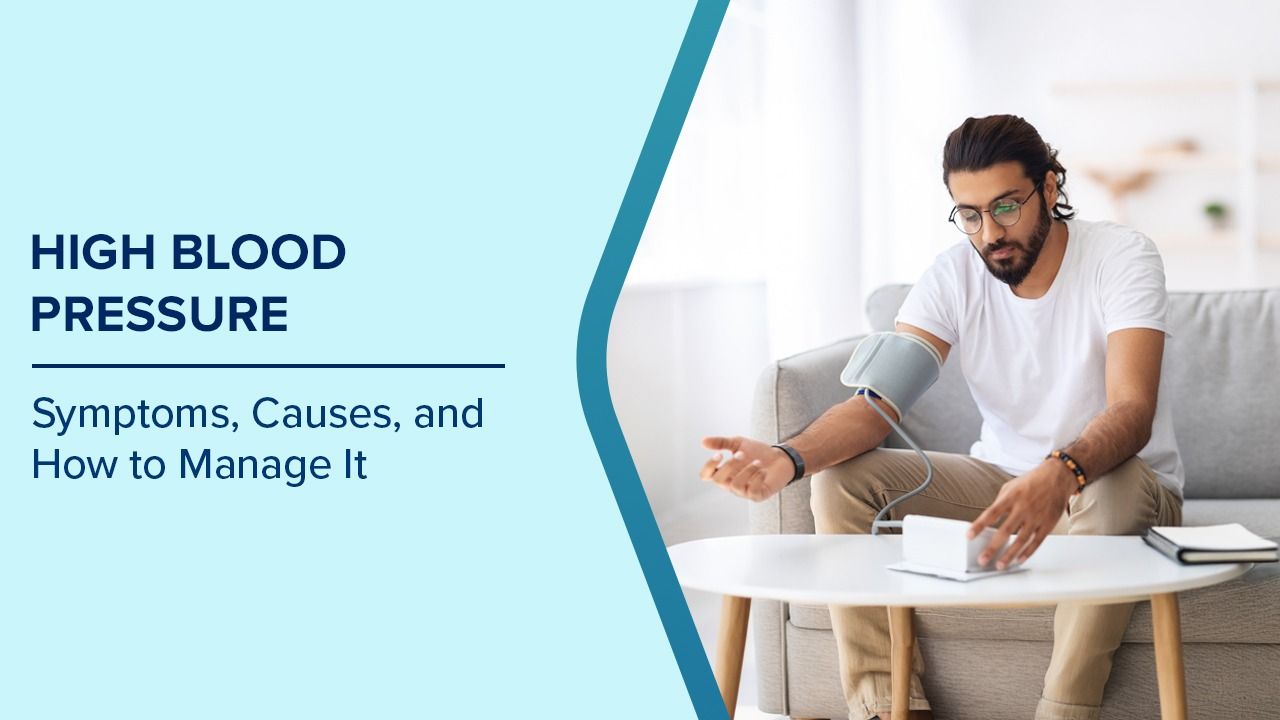
Home blood pressure monitors can help you track readings regularly. Keeping a log of your measurements and noting factors like stress, activity, or diet can provide useful insights for managing your blood pressure.
Can high blood pressure affect mental health?
High blood pressure may be linked to increased stress and anxiety. Conversely, long-term stress or anxiety can also contribute to higher blood pressure, creating a cycle that benefits from both medical and lifestyle interventions.
Is it possible to have fluctuations in blood pressure during the day?
Yes, blood pressure can naturally vary depending on activity, stress, sleep, or even caffeine intake. Occasional fluctuations are normal, but consistently high readings should be evaluated by a doctor.
Do lifestyle changes alone work for everyone with high blood pressure?
Lifestyle adjustments can significantly help many people, but some may still require medical treatment depending on the severity of their condition, underlying health issues, or individual response.
Can high blood pressure impact other treatments or medications?
Yes, uncontrolled blood pressure can affect how the body responds to other medications or medical procedures. It is important to inform your doctor about your blood pressure history before starting new treatments.
Written and Verified by:

Related Blogs

Dr. Ritwick Raj Bhuyan In Cardiac Sciences , Cardiac Surgery (CTVS)
Nov 08 , 2020 | 2 min read

Dr. Gaurav Minocha In Cardiac Sciences
Nov 08 , 2020 | 4 min read
Blogs by Doctor

World Hypertension Day 2026: Why Awareness Matters More Than Ever
Dr Pankaj Soni In Internal Medicine
May 15 , 2025 | 11 min read
Most read Blogs


Related Blogs
Dr. Ritwick Raj Bhuyan In Cardiac Sciences , Cardiac Surgery (CTVS)
Nov 08 , 2020 | 2 min read
Dr. Gaurav Minocha In Cardiac Sciences
Nov 08 , 2020 | 4 min read
Blogs by Doctor
World Hypertension Day 2026: Why Awareness Matters More Than Ever
Dr Pankaj Soni In Internal Medicine
May 15 , 2025 | 11 min read
Most read Blogs