 WhatsApp Us (24/7)
 +91 926 888 0303 (24/7)


To Book an Appointment
Call Us+91 926 888 0303Dealing with High Blood Pressure in Winter? Here’s How You Can Manage It
By Dr. Sameer Shrivastava in Cardiology
Mar 13 , 2026 | 2 min read
3

As winter approaches and temperatures drop, many individuals observe a spike in their blood pressure readings, also known as hypertension. This occurs because the combination of cold air, reduced sunlight, heavier meals, and lower physical activity creates a distinct set of physiological changes that allow blood pressure to rise more easily. This can feel worrying, especially for anyone already living with hypertension. The good news is that small, steady changes in daily habits make a noticeable difference in keeping readings stable throughout the season. This blog explains in detail why blood pressure tends to increase in winter and offers clear, practical ways to manage it at home. But first, let’s take a closer look at what exactly causes the blood pressure to rise in cold weather.
Why Do Blood Pressure Levels Spike During Winter?
Colder months tend to place extra strain on heart health, and hypertension often becomes harder to control during this time. The main reasons include the following:
- Blood Vessel Narrowing: When temperatures fall, blood vessels become narrower to conserve body heat. This natural response increases the pressure inside the arteries, causing readings to rise even in people who usually have stable levels.
- Reduced Physical Activity: Cold weather often leads to staying indoors, shorter walks, and fewer outdoor activities. Lower activity reduces calorie burn, affects circulation, and may contribute to slightly higher blood pressure during the season.
- Seasonal Weight Gain: Winter meals often include richer, heavier foods. Increased intake of these foods can add weight over time, and even small gains can influence blood pressure levels.
- Higher Salt Intake: Packaged snacks and warm comfort foods, which are more common in winter, may contain excess salt. Extra salt increases fluid retention in the body, which can raise blood pressure.
- Increased Stress Levels: Busy schedules, holiday planning, and sudden routine changes during winter can trigger stress responses. Stress hormones tighten the blood vessels, which may push blood pressure higher for some individuals.
Who is More Likely to Experience Hypertension in Winter?
People respond to cold weather in different ways. Some groups face a higher chance of seeing their blood pressure rise during winter, including:
- Elderly: Ageing causes blood vessels to stiffen, which limits how easily they expand and relax. Cold temperatures further tighten these vessels, leading to higher blood pressure. The elderly may also feel less active during winter, which adds to the risk.
- People with Existing Hypertension: Those already living with high blood pressure tend to have more noticeable fluctuations in winter. Their blood vessels are already under strain, so even slight temperature drops can bring sharper increases in their readings.
- Individuals with Heart or Kidney Conditions: The heart and kidneys help control blood pressure through fluid balance and circulation. Winter adds extra workload on these organs. People with heart failure, coronary artery disease, or reduced kidney function often experience more pronounced spikes during colder months.
- People with Sedentary Lifestyles: Reduced physical activity limits circulation and may contribute to weight gain during colder periods. This combination increases the likelihood of blood pressure rising more than usual.
- Individuals with Higher Body Weight: Extra body weight makes the heart work harder throughout the year. Winter can intensify this effect because the body uses more energy to stay warm, placing additional pressure on the cardiovascular system.
- People Who Smoke or Use Tobacco: Smoking causes blood vessels to narrow and restricts oxygen flow. Exposure to cold temperatures multiplies this effect, leading to sharper spikes in blood pressure for smokers.
What Symptoms are Associated With Hypertension?
Hypertension often progresses without any obvious signs. Many people go through daily routines unaware that their blood pressure is climbing, especially during winter when the body naturally reacts to colder temperatures. However, certain symptoms may appear once the readings rise beyond a comfortable range or increase suddenly
- Persistent Headaches: A deep, throbbing ache around the back of the head or temples may appear when blood pressure rises sharply. The discomfort can linger for hours and may feel more noticeable in the morning
- Dizziness or Light-Headedness: A sudden sense of imbalance or a brief spinning sensation can occur as the body tries to maintain steady blood flow to the brain. This may accompany quick changes in position, such as standing up from sitting.
- Blurred or Disturbed Vision: Raised pressure affects the tiny blood vessels behind the eyes. People may notice brief blurring, flashing lights, or difficulty focusing. Reading or looking at screens may also feel more tiring.
- Shortness of Breath: Extra strain on the heart can make simple activities, such as walking a short distance or climbing a few steps, feel more tiring. Breathlessness may feel more pronounced in cold air since the lungs and airways tighten in response to low temperatures.
- Chest Pressure or Discomfort: A feeling of heaviness, squeezing, or mild pain in the chest may appear when the heart is working harder than usual. This symptom needs prompt attention, especially if the discomfort does not ease with rest.
- Nosebleeds: Sudden spikes in blood pressure, combined with dry winter air, may cause small vessels in the nose to break. These nosebleeds are usually mild but can be repeated in some people.
- Fatigue and Weakness: The body may feel unusually tired, even on days with minimal physical work. Reduced blood flow and increased heart strain contribute to this constant sense of low energy.
- Facial Flushing: Some people experience warmth and redness around the cheeks or neck. This appears when blood vessels expand quickly in response to sudden pressure changes.
These symptoms are not present in every person with hypertension. They only serve as warning signs that the body may be struggling to manage raised pressure, which makes routine monitoring especially important during winter months.
How Can You Manage Hypertension in Winter?
Effectively managing hypertension during the winter requires a coordinated approach across four key areas: protecting the body from cold, making smart food choices, staying physically active, and ensuring strict adherence to your medical plan. Here is how you can manage high blood pressure at home:
1. Stay Active Indoors
Movement often reduces during winter because colder weather makes outdoor activity less appealing. This slowdown affects circulation and makes the heart work harder. Indoor routines help keep the body active without stepping into the cold.
Useful options include:
- Brisk indoor walks
- Gentle aerobic exercises
- Yoga or stretching
- Climbing stairs at a comfortable pace
Short sessions throughout the day keep the body warm, support flexibility, and prevent winter stiffness that can add to cardiovascular strain.
2. Eat Warm, Heart-Friendly Meals
People often crave heavier, saltier foods during winter. These choices lead to fluid retention and increase the risk of higher readings. Warm, balanced meals help maintain energy and reduce unnecessary strain on the heart.
Good choices include:
- Fresh vegetables, whole grains, lentils, and beans
- Homemade soups with controlled salt
- Lean sources of protein
- Small portions of nuts and seeds for warmth
Limiting packaged snacks, bakery foods, pickles, and instant soups helps prevent unexpected spikes.
3. Limit Salt Intake
Salt affects blood pressure more strongly in winter because the body tends to hold on to extra fluid in cold weather. This creates more pressure within blood vessels. Reducing salt intake helps control this effect.
Practical ways to do this include avoiding packaged snacks, checking labels for salt content, and opting for herbs, spices, and lemon to add flavour. Even small changes create a noticeable improvement in daily readings.
4. Stay Warm and Dress in Layers
Cold temperatures cause blood vessels to tighten, which raises blood pressure. Keeping the body warm prevents this reaction and reduces the load on the heart. Layering clothes traps heat more effectively than wearing one thick item. Warm socks, gloves, and a cap protect areas that lose heat quickly and reduce the sharp rise in pressure that often happens when stepping outside.
Indoor heating should remain comfortable but not overly hot, as sudden temperature changes can also affect blood pressure.
Covering the nose and mouth with a scarf during outdoor walks warms the air before it enters the lungs, which reduces airway tightening and makes breathing easier for individuals with hypertension.
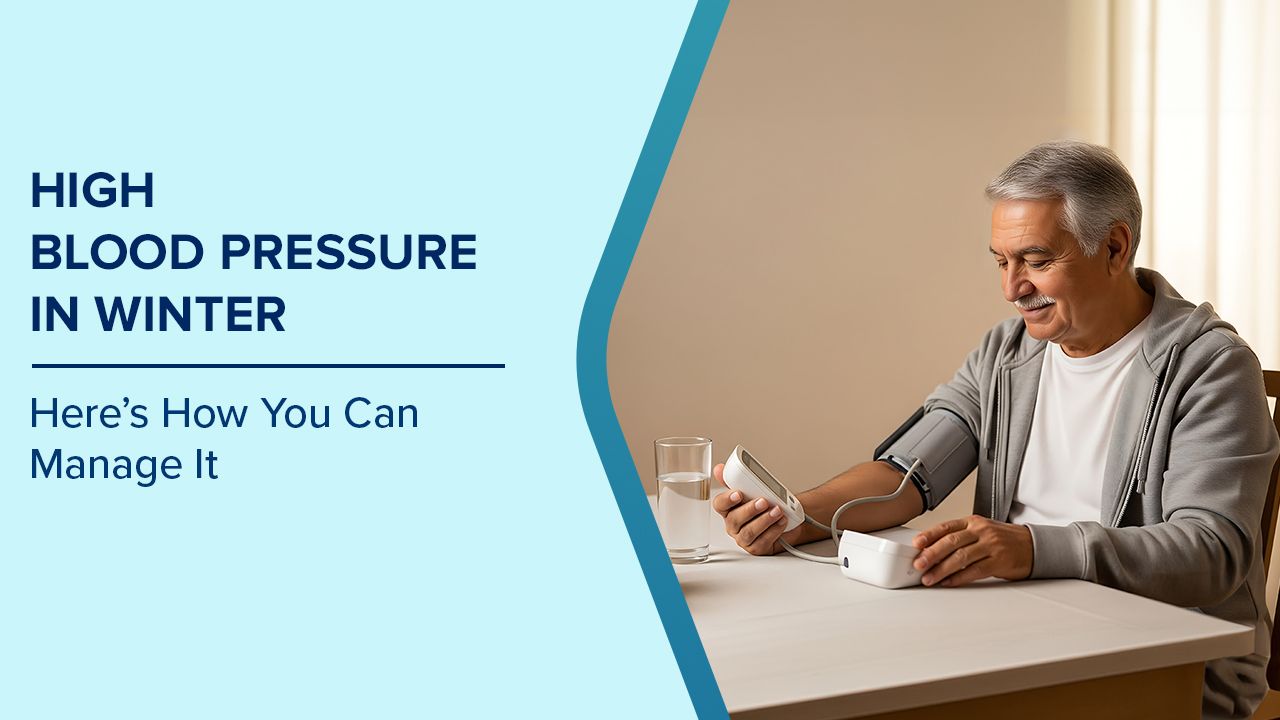
5. Monitor Blood Pressure Regularly
Winter often causes fluctuations that are easy to miss. Home monitoring offers a clearer picture of how the body responds to cold days, changes in sleep, or heavier meals. Recording readings helps spot early trends and supports more informed discussions during medical visits.
6. Keep the Body Hydrated
People often feel less thirsty during winter, making it easy to drink less water. Mild dehydration thickens the blood slightly and increases pressure inside the vessels. Warm water, herbal teas without added sugar, and clear broths help maintain hydration comfortably.
Hydration supports kidney function, which plays a major role in regulating blood pressure. It also reduces fatigue and helps maintain energy levels, especially on colder days.
7. Manage Stress Levels
Winter sometimes affects mood, sleep patterns, and general energy, which increases stress levels. Stress hormones cause blood vessels to tighten, which makes blood pressure rise.
Practices such as slow breathing, gentle stretches, quiet reading, or spending time outdoors in mild sunlight help the body relax. Limiting screen time before bed supports better sleep. Listening to soft music, practising meditation, or taking short breaks during the day helps reduce mental load. The key is to create small moments of calm that break the cycle of stress.
8. Limit Alcohol and Quit Smoking
Alcohol can raise blood pressure and disrupt sleep. Winter gatherings, festivals, and long evenings often lead to increased intake. Moderation helps maintain steadier readings and prevents dehydration.
Smoking tightens blood vessels. Cold air intensifies this effect, creating a sudden rise in blood pressure with each exposure. Reducing or stopping tobacco use during winter helps lower the risk of sudden spikes and supports long-term heart health.
9. Get Enough Restful Sleep
Shorter days often shift sleep cycles. Poor sleep increases stress hormones, which adds pressure on the heart and raises blood pressure. Establishing a sleep routine helps regulate the body clock.
A warm blanket, a comfortable sleeping environment, limited caffeine in the evening, and switching off screens an hour before bed all support deeper rest. Even small changes improve sleep quality and translate to better blood pressure control.
10.Take Medicines as Advised
Winter fluctuations make regular medication even more important. Missing doses or adjusting timings without guidance can cause unpredictable spikes. Medicines work best when taken at the same time each day.
If readings begin rising despite regular medication, it is better to consult a healthcare provider for adjustments. Abrupt changes made at home may cause more instability.
11.Step Out During Warmer Hours
Stepping outside in bright daylight supports better circulation, improves mood, and helps maintain Vitamin D levels. Cold early mornings and late evenings make blood vessels tighten more sharply, so stepping out during late mornings or early afternoons keeps the heart more comfortable.
Gentle walks in soft sunlight help the body stay active even in winter and support natural blood pressure regulation.
When Should You Seek Medical Help?
Winter may cause occasional changes in blood pressure, but some situations need timely medical attention. If readings remain higher than the usual range for several days despite regular medicines and steady habits, it is safer to speak to a healthcare provider. Sudden spikes, especially early in the morning or late in the evening, also deserve attention.
Immediate help is important if any of the following appear:
- Strong chest discomfort
- Breathlessness at rest
- Sudden, severe headache
- Difficulty speaking or staying balanced
- Sudden weakness or numbness in the face, arm, or leg
People with a history of heart disease, kidney problems, or previous stroke should seek help sooner if they notice new symptoms or unusual fluctuations.
Consult Today
Dealing with high blood pressure in the winter is tough, but you don't have to do it alone. If you've tried making changes and your numbers are still high, it's time to get expert help. A heart specialist can help you understand what is influencing your readings and what adjustments might work better for your body during colder months. Schedule an appointment with a cardiology specialist at Max Hospital to get a clearer view of your condition and a management plan that helps keep your blood pressure levels under check.
Frequently Asked Questions
Can a stuffy nose cause high blood pressure?
A stuffy nose does not directly raise blood pressure, but the discomfort can make breathing harder, especially at night. This may lead to poor sleep or increased stress, which can cause temporary spikes in blood pressure. Some nasal decongestants may also raise BP, so it is best to check with a doctor before using them.
How does sleep affect blood pressure?
Sleep has a strong influence on blood pressure. BP naturally falls during restful sleep. Poor sleep, disrupted sleep, or not getting enough hours can keep BP higher throughout the day. Long-term sleep problems, such as sleep apnoea, can make hypertension harder to manage.
Which sleeping position is best for high blood pressure?
Sleeping on the left side is often suggested, as it can support smoother blood flow and reduce pressure on major blood vessels. Elevating the head slightly with a supportive pillow may also help those who experience nighttime spikes. Comfort and consistent sleep quality are just as important as the position itself.
What BP level is considered stroke level?
A reading of 180/120 mmHg or higher is considered a hypertensive crisis and raises the risk of stroke. Immediate medical attention is needed if such readings appear, especially when symptoms like severe headache, chest pain, or breathing difficulty are present.
Does blood pressure rise more in the morning during winter?
Blood pressure often rises slightly in the morning, and the effect becomes stronger in winter because cold air tightens blood vessels. Many people notice higher readings right after waking up on colder days.
Can room heaters affect blood pressure?
Room heaters do not directly raise blood pressure, but very warm indoor air followed by sudden exposure to cold can make the numbers fluctuate. Keeping room temperature stable helps avoid sudden shifts.
Are cold showers safe for people with high blood pressure in winter?
Cold showers can cause a quick spike because the sudden drop in temperature tightens blood vessels. Lukewarm water is safer and puts less stress on the heart.
Does low sunlight in winter affect blood pressure?
Reduced sunlight lowers Vitamin D levels for some people. Low Vitamin D has been linked to poor blood pressure control in certain individuals, which is why stepping out in mild sunlight can be helpful.
Why do hands and feet feel colder if someone has hypertension?
High blood pressure can affect circulation. Cold weather intensifies this effect, causing the hands and feet to feel unusually cold even indoors.
Is it normal for blood pressure medicines to be less effective in winter?
Some people notice that their readings stay higher even with regular medication during colder months. This happens because the body responds differently to cold. A doctor may adjust the dose if needed.
Can dehydration really raise blood pressure in winter?
Yes. People often drink less water in winter, which may lead to mild dehydration. This makes blood slightly thicker and increases pressure inside blood vessels.
Is caffeine more likely to affect blood pressure during winter?
Caffeine can raise blood pressure temporarily, and the effect often feels stronger in winter because blood vessels are already tighter due to the cold.
Can winter allergies affect blood pressure?
Nasal congestion and breathing difficulty caused by winter allergies can make the heart work harder for short periods. This may cause brief increases in blood pressure for some individuals.
Does wearing too many layers raise blood pressure?
Overheating does not raise blood pressure, but removing layers too quickly and exposing the body to cold can cause a sudden spike. Gradual temperature changes are easier on the heart.
Written and Verified by:

Related Blogs

Dr. Rajiv Agarwal In Cardiology
Jul 21 , 2021 | 1 min read

Dr. Balbir Singh In Cardiac Sciences , Cardiology
Dec 30 , 2021 | 1 min read
Most read Blogs


Related Blogs
Dr. Rajiv Agarwal In Cardiology
Jul 21 , 2021 | 1 min read
Dr. Balbir Singh In Cardiac Sciences , Cardiology
Dec 30 , 2021 | 1 min read
Most read Blogs