 WhatsApp Us (24/7)
 +91 926 888 0303 (24/7)


To Book an Appointment
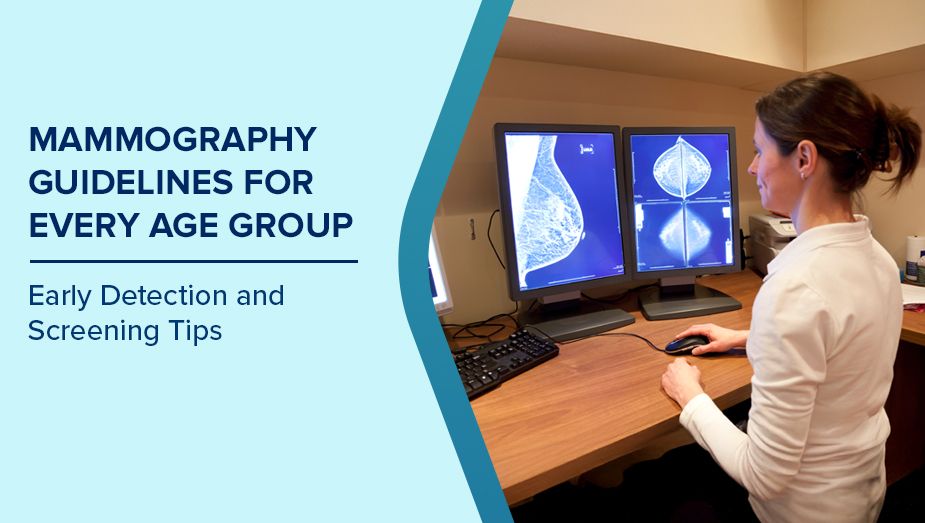
Call Us+91 926 888 0303Mammography Guidelines for Every Age Group: Early Detection and Screening Tips
By Dr (Prof) Navneet Kaur in Surgical Oncology , Cancer Care / Oncology , Breast Cancer
Oct 10 , 2025 | 4 min read

Breast cancer is one of the most common cancers affecting women worldwide. Early detection can save lives, and mammography remains a key tool in identifying breast cancer at its earliest stages. While genetics and family history play a role, understanding when to start screening and how often to do it is crucial for effective preventive breast care.
Why Mammograms Are Important
A mammogram is an X-ray of the breast that can detect abnormalities or early signs of cancer even before they are noticeable. Early detection through screening mammograms increases the chances of successful treatment and reduces the risk of advanced breast cancer.
Key benefits of mammography include:
- Early detection: Identifies tumours before they are large enough to be felt.
- Reduced mortality: Early-stage cancers have better treatment outcomes.
- Risk monitoring: Helps women with high-risk factors maintain preventive care.
- Peace of mind: Regular screenings provide reassurance and promote proactive health measures.
Understanding mammography guidelines is essential to schedule timely breast health checkups and stay ahead of breast cancer risks.
Age-Wise Mammography Guidelines
Mammography recommendations vary based on age, personal health, and family history. Here’s a breakdown to help women understand the best age for mammogram screenings.
Women in Their 20s
For women under 30, routine mammograms are generally not recommended unless there is a strong family history of breast cancer or genetic predisposition, such as BRCA1 or BRCA2 mutations.
- Focus: Clinical breast exams and self-breast awareness.
- Tip: Learn proper techniques for self-examination and report any unusual changes to your doctor promptly.
Women in Their 30s
Women aged 30–39 may consider a baseline mammogram if they have higher risk factors, including:
- Family history of breast cancer
- Genetic mutations
- Previous chest radiation therapy
For most women in this age group, mammograms are not a routine part of their healthcare. Instead, clinical breast exams and monthly self-checks are recommended.
Women in Their 40s
Age 40–49 is a critical window for initiating routine breast cancer screening. Major health organisations recommend discussing mammogram schedules with a healthcare provider.
- Screening mammogram: Typically recommended annually or every other year, depending on individual risk factors.
- Digital mammography: Especially helpful in women with dense breast tissue.
- Preventive breast care: Maintaining a healthy lifestyle and awareness of breast changes.
Women in Their 50s
For women aged 50–59, regular screening becomes essential. Breast cancer risk increases with age, making timely mammograms a crucial part of preventive care.
- Frequency: Annual or biennial mammograms based on individual risk.
- Breast health checkup: Combine mammograms with clinical exams for thorough monitoring.
- High-risk considerations: Women with a history of abnormal findings or strong family history may need more frequent screenings.
Women 60 and Above
Women over 60 should continue to undergo regular mammograms as long as they remain in good health. Screening helps detect cancers early, when treatment is most effective.
- Frequency: Every 1–2 years, depending on risk and health status.
- Digital mammography or 3D mammograms: Advanced imaging can improve detection in older women.
- Lifestyle: Maintain a balanced diet, engage in regular physical activity, and schedule regular checkups to complement screening.
Frequency of Screening
While age provides a general guideline, screening frequency may vary:
- Annual mammograms: Recommended for women 40–74 years, especially those at higher risk.
- Biennial mammograms: Suitable for women aged 50–74 with average risk.
- High-risk women: May require earlier and more frequent screenings, including MRI or ultrasound in addition to mammograms.
Risk Factors That May Change Screening Timeline
Some women may need to start mammography earlier or screen more frequently due to certain risk factors:
- Family history: Mother, sister, or daughter with breast cancer.
- Genetic mutations: BRCA1, BRCA2, or other hereditary genes.
- Previous radiation therapy: Especially to the chest area at a young age.
- Dense breast tissue: Can make detection harder and may require advanced imaging.
- Hormone therapy: Long-term use may influence breast cancer risk.
How to Prepare for a Mammogram
Proper preparation can make the mammogram process smoother and more effective:
- Avoid deodorants, perfumes, or powders on the day of the test as they can appear on X-rays.
- Schedule after menstruation if premenopausal, when breasts are less tender.
- Bring prior mammograms for comparison if switching clinics.
- Wear comfortable clothing that can be easily removed from the waist up.
- Communicate concerns with the technician, such as breast pain or implants.
Types of Mammograms and Advanced Technologies
Modern mammography has advanced to improve accuracy and comfort:
- Digital Mammography: Converts X-ray images into digital files, allowing better visualisation of dense breast tissue.
- 3D Mammography (Tomosynthesis): Creates a layered image of the breast for more detailed detection.
- Screening Mammogram: Routine checks to detect cancer early in asymptomatic women.
- Diagnostic Mammogram: Conducted when symptoms, lumps, or abnormal findings are present.
Benefits of Early Detection
Early detection through mammography can make a significant difference in treatment and outcomes:
- Higher survival rates: Cancers caught early are more treatable.
- Less aggressive treatment: Early-stage cancers often require less invasive procedures.
- Reduced complications: Prevents spread to lymph nodes or other organs.
- Peace of mind: Provides reassurance and proactive control over breast health.
Conclusion
Mammography is a vital part of preventive breast care. Understanding age-wise guidelines, personal risk factors, and preparation steps empowers women to take control of their breast health. Routine screenings, early detection, and timely intervention can significantly improve outcomes and save lives.
By combining mammogram schedules with healthy lifestyle choices, regular checkups, and awareness of breast changes, women can proactively protect themselves from breast cancer. Consulting a doctor to determine the best screening plan ensures personalised, effective preventive care.
Frequently Asked Questions
Can mammograms detect all types of breast cancer?
While mammograms are highly effective in detecting most breast cancers, some aggressive types or cancers in dense breast tissue may require additional imaging, such as MRI or ultrasound.
Are mammograms safe during pregnancy?
Routine mammograms are generally avoided during pregnancy. If needed, precautions such as abdominal shielding can minimise risks, but doctors often recommend postponing unless necessary.
How does family history affect screening age?
Women with a first-degree relative diagnosed with breast cancer may need to start screening earlier, sometimes in their 30s, and may require additional imaging or genetic testing.
Can dense breast tissue affect mammogram results?
Yes, dense breasts have more glandular tissue, which can make it harder to detect cancer on traditional mammograms. Digital and 3D mammography can improve detection in these cases.
Are there alternative screening methods to mammography?
Other methods include breast MRI, ultrasound, and thermography. These are typically used in high-risk women or when mammograms show ambiguous results.
Written and Verified by:

Related Blogs

Dr. S. VEDA PADMA PRIYA In Surgical Oncology , Cancer Care / Oncology
May 16 , 2016 | 2 min read

Dr. Kanika Batra Modi In Surgical Oncology , Cancer Care / Oncology
May 26 , 2016 | 4 min read
Blogs by Doctor
Breast Health Awareness For Different Age Groups: What Every Woman Should Know
Dr (Prof) Navneet Kaur In Surgical Oncology , Cancer Care / Oncology , Breast Cancer
Oct 10 , 2025 | 4 min read

Most read Blogs


Related Blogs
Dr. S. VEDA PADMA PRIYA In Surgical Oncology , Cancer Care / Oncology
May 16 , 2016 | 2 min read
Dr. Kanika Batra Modi In Surgical Oncology , Cancer Care / Oncology
May 26 , 2016 | 4 min read
Blogs by Doctor
Breast Health Awareness For Different Age Groups: What Every Woman Should Know
Dr (Prof) Navneet Kaur In Surgical Oncology , Cancer Care / Oncology , Breast Cancer
Oct 10 , 2025 | 4 min read
Most read Blogs