 WhatsApp Us (24/7)
 +91 926 888 0303 (24/7)


To Book an Appointment
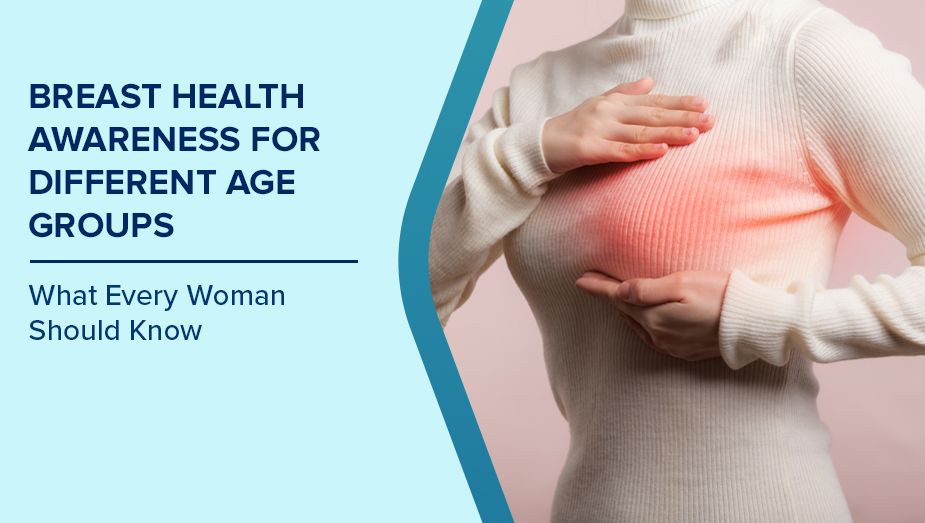
Call Us+91 926 888 0303Breast Health Awareness For Different Age Groups: What Every Woman Should Know
By Dr (Prof) Navneet Kaur in Surgical Oncology , Cancer Care / Oncology , Breast Cancer
Oct 10 , 2025 | 4 min read

Breast health is a crucial part of a woman’s overall well-being. Regular self-exams allow women to become familiar with their bodies and detect subtle changes that may require medical attention.
Starting early and maintaining consistent habits helps women of all ages take control of their health and empowers them to act proactively if something seems unusual. In addition, combining self-exams with routine clinical check-ups and mammograms provides a comprehensive approach to breast health.
Why Breast Self-Exams Are Important
Self-exams are more than a routine; they are an opportunity to understand your body. By performing monthly self-exams, women can:
- Detect small changes that may not be visible to others.
- Recognise patterns associated with hormonal cycles.
- Identify warning signs that could indicate an underlying problem.
Self-awareness helps reduce anxiety because knowing what is normal for your breasts makes it easier to spot changes. Although self-exams do not replace professional screenings, they are an important practice for identifying changes early.
Breast Self-Exams by Age Group
Teenagers and Early 20s
During adolescence and early adulthood, breasts are developing, and it is common to experience tenderness or lumps due to hormonal fluctuations. Self-exams at this stage focus on familiarity rather than screening for cancer.
Key points:
- Learn to distinguish normal tissue from unusual lumps.
- Observe changes linked to menstrual cycles.
- Report any persistent pain or unusual swelling to a healthcare provider.
20s to 30s
In this age group, hormonal changes, pregnancy, and breastfeeding can affect breast tissue. Self-exams help women notice any atypical changes early.
Practical tips:
- Perform exams once a month at the same point in your cycle.
- Be aware of lumps, nipple changes, or skin texture variations.
- Track any unusual symptoms and discuss them with your gynaecologist.
40s to 50s
During perimenopause and menopause, breast tissue becomes less dense. This makes it easier to detect irregularities, but the risk of breast conditions increases with age.
Guidance:
- Maintain monthly self-exams even after menopause.
- Watch for persistent lumps, changes in nipple shape, or skin dimpling.
- Note any swelling, tenderness, or discomfort that does not resolve naturally.
60 and Above
Even in later years, self-exams remain important. Hormonal changes continue to affect breast tissue, and awareness of subtle alterations is key.
Recommendations:
- Keep a consistent monthly schedule.
- Examine texture, symmetry, and any new swellings.
- Consult a doctor for any unusual changes, even if mammograms appear normal.
Tips for Effective Self-Exams Across All Ages
- Visual inspection: Stand in front of a mirror with your arms at your sides and then overhead. Look for changes in shape, skin, or nipple appearance.
- Palpation: Use the pads of your fingers to feel the entire breast and armpit area with varying pressure.
- Systematic approach: Use circular, vertical, or wedge patterns to ensure all tissue is covered.
- Examine in multiple positions: Lying down, standing, or in the shower to detect subtle differences.
- Track changes: Keep a monthly log of observations to notice any patterns or unusual developments.
These habits not only help detect changes early but also build confidence in understanding your body.
When to See a Doctor
Certain symptoms require immediate attention:
- Persistent or new lumps.
- Unexplained swelling or changes in size.
- Skin dimpling, puckering, or redness.
- Nipple inversion, discharge, or rash.
- Pain that is new, severe, or does not improve with rest.
Early evaluation ensures timely intervention, potentially improving outcomes and reducing complications.
Integrating Self-Exams Into Your Routine
- Set reminders on your phone or calendar for consistency.
- Combine self-exams with professional screenings for a comprehensive approach.
- Educate peers and family members about the importance of self-awareness.
- Adjust exam techniques if you have mobility issues or physical limitations.
By turning self-exams into a routine, women of all ages can build a habit that safeguards their health and well-being.
Supporting Breast Health Beyond Self-Exams
- Lifestyle factors: Maintain a balanced diet, exercise regularly, and manage stress.
- Avoid harmful habits: Reduce smoking and excessive alcohol consumption.
- Comfortable clothing: Wear supportive bras and avoid tight clothing that may affect breast tissue.
- Skin care: Moisturise to prevent irritation, especially if prone to dryness or rashes.
Healthy habits, combined with self-exams, enhance overall breast health and reduce risk factors for various conditions.
Conclusion
Breast self-exams are a simple yet powerful tool that enables women to understand their bodies and detect potential issues early. From teenagers to older adults, recognising normal patterns, monitoring changes, and consulting healthcare professionals when something seems unusual can make a significant difference in overall breast health. Empowering oneself through knowledge, routine, and preventive habits ensures women stay proactive and confident in managing their well-being.
Frequently Asked Questions
Can self-exams detect all types of breast cancer?
Self-exams help identify visible or palpable changes, but cannot detect every type of cancer. Professional screenings remain essential.
Should women with breast implants perform self-exams differently?
Yes, women with implants should follow the same pattern, but may need to feel the tissue around and over the implant carefully.
Can men perform breast self-exams?
Men can and should monitor their breast tissue for unusual lumps, swelling, or nipple changes, as male breast cancer, though rare, can occur.
Does breastfeeding affect self-exam results?
Breastfeeding can cause lumps or changes due to milk production. Monitoring patterns and knowing what is typical for each stage is important.
Is it normal to feel more lumps before menstruation?
Hormonal fluctuations can cause temporary swelling or tenderness. Awareness of timing helps differentiate normal changes from concerning lumps.
Can mobility limitations affect how self-exams are performed?
Yes, adapt positions using seated or lying positions to ensure thorough examination without discomfort.
How can stress or fatigue influence breast tissue?
Stress and fatigue can lead to temporary tenderness or swelling. Keeping a log helps differentiate these from persistent changes.
Written and Verified by:

Related Blogs

Dr. S. VEDA PADMA PRIYA In Surgical Oncology , Cancer Care / Oncology
May 16 , 2016 | 2 min read

Dr. Kanika Batra Modi In Surgical Oncology , Cancer Care / Oncology
May 26 , 2016 | 4 min read
Blogs by Doctor
Mammography Guidelines for Every Age Group: Early Detection and Screening Tips
Dr (Prof) Navneet Kaur In Surgical Oncology , Cancer Care / Oncology , Breast Cancer
Oct 10 , 2025 | 4 min read

Most read Blogs


Related Blogs
Dr. S. VEDA PADMA PRIYA In Surgical Oncology , Cancer Care / Oncology
May 16 , 2016 | 2 min read
Dr. Kanika Batra Modi In Surgical Oncology , Cancer Care / Oncology
May 26 , 2016 | 4 min read
Blogs by Doctor
Mammography Guidelines for Every Age Group: Early Detection and Screening Tips
Dr (Prof) Navneet Kaur In Surgical Oncology , Cancer Care / Oncology , Breast Cancer
Oct 10 , 2025 | 4 min read
Most read Blogs