 WhatsApp Us (24/7)
 +91 926 888 0303 (24/7)


To Book an Appointment
Call Us+91 926 888 0303How to take care of your Heart in winter
By Dr. Vijayant Devenraj in Cardiac Sciences , Cardiac Surgery
Jan 05 , 2026 | 5 min read
1

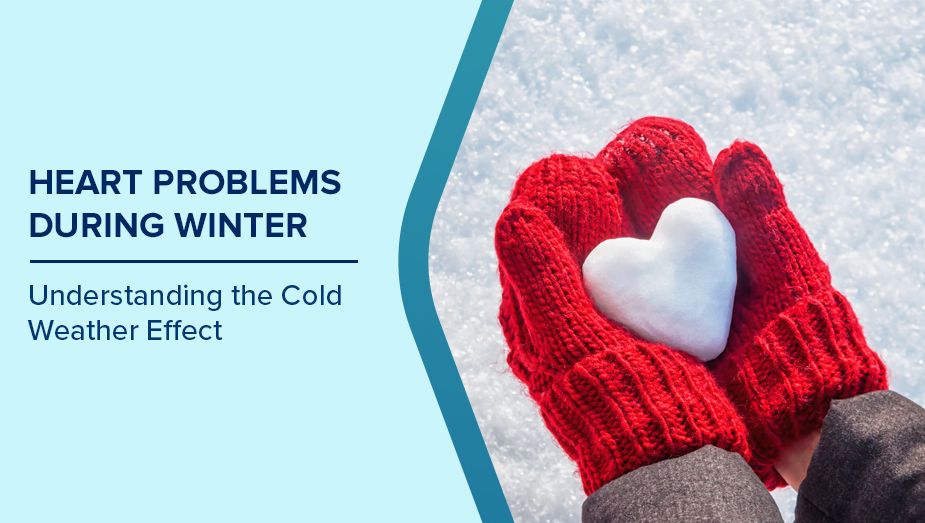
Heart problems often rise during winter due to the combined effects of cold temperatures, reduced physical activity, and seasonal lifestyle changes. Cold weather causes blood vessels to narrow, increases blood pressure, and puts extra strain on the heart. These changes can trigger heart attacks, angina, arrhythmias, and blood pressure spikes, especially in people with existing heart disease or risk factors. At the same time, winter habits like staying indoors, eating heavier foods, and exercising less can further increase cardiovascular risk.
Understanding how winter affects the heart and taking preventive steps can help reduce complications during the colder months.
How Cold Weather Affects the Heart
Cold weather affects the body in several ways, which can put extra pressure on the heart.
Blood Vessel Constriction
When temperatures drop, blood vessels narrow to conserve body heat. This natural response, called vasoconstriction, increases blood pressure and forces the heart to work harder to pump blood throughout the body.
Increased Heart Rate and Oxygen Demand
Cold air can trigger the heart to beat faster. People with existing heart conditions may find it harder for their hearts to keep up with the sudden demand for oxygen, which can lead to chest discomfort or more serious issues.
Higher Risk of Blood Clots
Cold temperatures can make the blood thicker and more prone to clotting. These clots can block arteries, increasing the risk of heart attack and stroke.
Strain During Physical Activity
Common winter activities, such as shovelling snow or brisk walking in cold air, can unexpectedly raise heart rate and blood pressure. For someone with underlying heart disease, this can be dangerous.
Common Winter Heart Problems
Winter affects the cardiovascular system in multiple ways, leading to an increase in specific heart conditions.
Heart Attack in Winter
Heart attacks tend to occur more frequently during colder months. The combination of blood vessel constriction, increased clotting tendency, and sudden physical exertion plays a major role.
Angina
People with coronary artery disease may experience more frequent angina (chest pain) during winter. The heart’s oxygen needs increase, but narrowed arteries make it harder to supply that oxygen.
Blood Pressure Spikes
Cold temperatures can cause sudden spikes in blood pressure, especially in older adults or individuals with hypertension. These spikes can increase the risk of stroke or heart failure.
Arrhythmias
Irregular heart rhythms can become more common in winter, especially for people exposed to sudden temperature changes. Cold air can irritate the heart’s electrical system, leading to abnormal rhythms in vulnerable individuals.
Who Is at Higher Risk During Winter
While cold weather can affect anyone, some groups are more vulnerable to winter heart problems.
- Older adults: Ageing reduces the body’s ability to regulate temperature, making older individuals more sensitive to cold stress.
- People with existing heart disease: Conditions like coronary artery disease, heart failure, or previous heart attacks increase susceptibility.
- Individuals with high blood pressure or diabetes: These conditions strain the cardiovascular system, making it more reactive to cold weather.
- Smokers: Smoking damages blood vessels and worsens vasoconstriction, compounding the risk.
- People who are less active: Reduced physical activity during winter can lead to weight gain, higher blood pressure, and poor circulation.
- Those who work or exercise outdoors: Sudden temperature changes and physical exertion in cold air can strain the heart.
Lifestyle and Environmental Factors That Add to the Risk
Cold weather is not the only culprit. Lifestyle habits during winter often create the perfect storm for cardiovascular issues.
Reduced Physical Activity
Shorter days and lower temperatures lead many people to spend more time indoors, resulting in reduced physical activity. This inactivity can raise cholesterol levels, blood pressure, and weight, all of which increase cardiovascular risk.
Comfort Foods and Overeating
Winter often brings cravings for heavy, high-calorie meals. Overeating or consuming foods high in saturated fats and salt can affect blood pressure and cholesterol, increasing the risk of heart disease.
Indoor Air Quality
Poorly ventilated indoor spaces with heaters or fireplaces can reduce oxygen levels and increase carbon monoxide exposure. Both can affect heart function, especially in people with existing conditions.
Delayed Medical Attention
Many people dismiss early symptoms of heart issues as “just the cold.” This delay in seeking medical help can lead to more serious complications.
Practical Tips to Protect Your Heart in Winter
Taking preventive steps can make a big difference. Here are practical, medically sound tips to keep your heart healthy during the colder months.
Dress Warmly and Layer Up
- Wear multiple layers to retain body heat.
- Cover your head, neck, and hands to prevent heat loss.
- Use appropriate footwear to avoid slips and falls.
Stay Physically Active
- Continue light to moderate exercise indoors, such as walking, stretching, or yoga.
- Warm up before outdoor activities to reduce sudden strain on the heart.
- Avoid overexertion in cold air, especially if you have a heart condition.
Eat Heart-Healthy Meals
- Choose nutrient-rich foods such as fruits, vegetables, whole grains, and lean proteins.
- Limit salt and saturated fats to keep blood pressure and cholesterol in check.
- Stay hydrated even when you don’t feel thirsty.
Manage Indoor Environments
- Maintain proper ventilation while using heaters.
- Avoid sitting too close to heating sources for extended periods.
- Use humidifiers if the indoor air is too dry.
Keep Regular Health Checkups
- Monitor blood pressure and cholesterol regularly.
- Take prescribed medications consistently.
- Schedule seasonal checkups if you have heart disease or other risk factors.
Limit Smoking and Alcohol
- Avoid smoking, as it worsens blood vessel constriction.
- Limit alcohol intake, which can affect heart rhythm and blood pressure.
When to Seek Immediate Medical Help
Recognising red flag symptoms early can save lives. Seek immediate medical attention if you experience:
- Sudden or persistent chest pain or tightness
- Pain radiating to the arm, neck, jaw, or back
- Shortness of breath or difficulty breathing
- Sudden dizziness, fainting, or weakness
- Unusual fatigue, especially in people with existing heart disease
Never ignore these warning signs, even if they seem mild. Prompt medical attention can prevent serious complications.
Conclusion
Winter can be a challenging season for the heart. Cold temperatures, reduced activity, and lifestyle habits combine to increase the risk of heart attacks, angina, and other cardiovascular problems. By understanding how winter affects heart health and taking preventive steps like dressing warmly, staying active, eating well, and monitoring your health, you can protect your heart and enjoy the season safely.
If you have existing heart conditions or risk factors, regular checkups and timely medical attention are crucial. Prevention and awareness are the best defences against winter heart problems.
Frequently Asked Questions
Is heart pain different in winter?
Yes, cold air can trigger chest discomfort or angina more quickly in individuals with narrowed arteries, making heart pain more noticeable during winter.
Can indoor heating affect my heart health?
Poorly ventilated indoor heating can reduce oxygen levels and increase carbon monoxide exposure, which may strain the heart, especially in people with existing conditions.
Does wearing warm clothes reduce heart attack risk?
Yes, dressing warmly helps prevent sudden drops in body temperature, which can reduce the strain on blood vessels and the heart.
Are winter mornings more dangerous for heart patients?
Early mornings are often colder and coincide with natural spikes in blood pressure, making this time particularly risky for heart patients.
Can dehydration in winter trigger heart issues?
Yes, dehydration thickens the blood and can increase the risk of clot formation, raising the chances of a heart attack or stroke.
Written and Verified by:

Related Blogs

Dr. Ritwick Raj Bhuyan In Cardiac Sciences , Cardiac Surgery (CTVS)
Nov 08 , 2020 | 2 min read

Dr. Gaurav Minocha In Cardiac Sciences
Nov 08 , 2020 | 4 min read
Blogs by Doctor
Overtraining and Heart Health: Symptoms, Risks, and Safe Exercise Tips
Dr. Vijayant Devenraj In Cardiac Surgery , Robotic Surgery
Aug 27 , 2025 | 3 min read
Most read Blogs


Related Blogs
Dr. Ritwick Raj Bhuyan In Cardiac Sciences , Cardiac Surgery (CTVS)
Nov 08 , 2020 | 2 min read
Dr. Gaurav Minocha In Cardiac Sciences
Nov 08 , 2020 | 4 min read
Blogs by Doctor
Overtraining and Heart Health: Symptoms, Risks, and Safe Exercise Tips
Dr. Vijayant Devenraj In Cardiac Surgery , Robotic Surgery
Aug 27 , 2025 | 3 min read
Most read Blogs